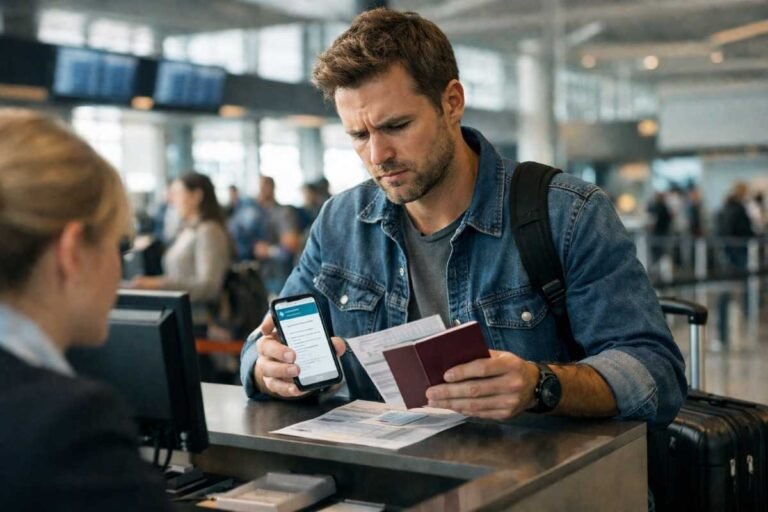
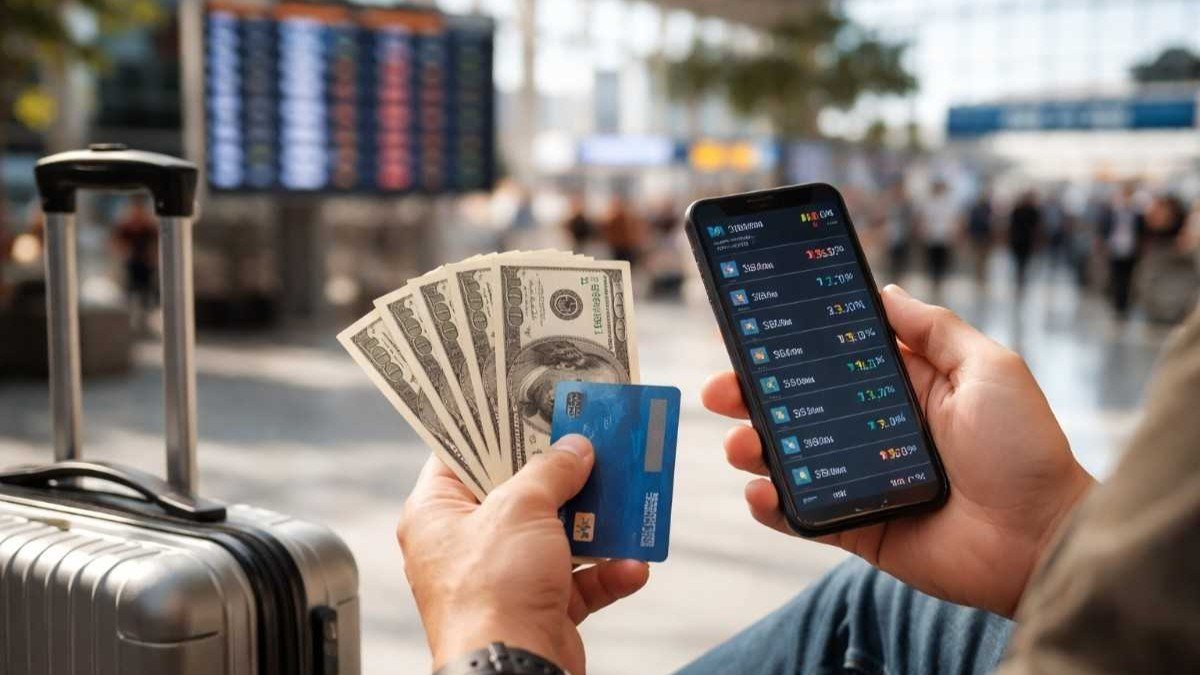
Okay, I definitely learned the hard way that money mistakes can quietly ruin a travel budget. On one of my early trips, I exchanged currency at the airport without thinking twice and ended up losing more than I expected. That experience pushed me to understand smarter currency exchange tips for travelers, and now I approach every trip with a simple system that saves money and reduces stress.
Top Currency Exchange Tips For Travelers
Understanding a few key habits can help you avoid unnecessary fees and make better financial decisions while traveling.
Always Pay In Local Currency
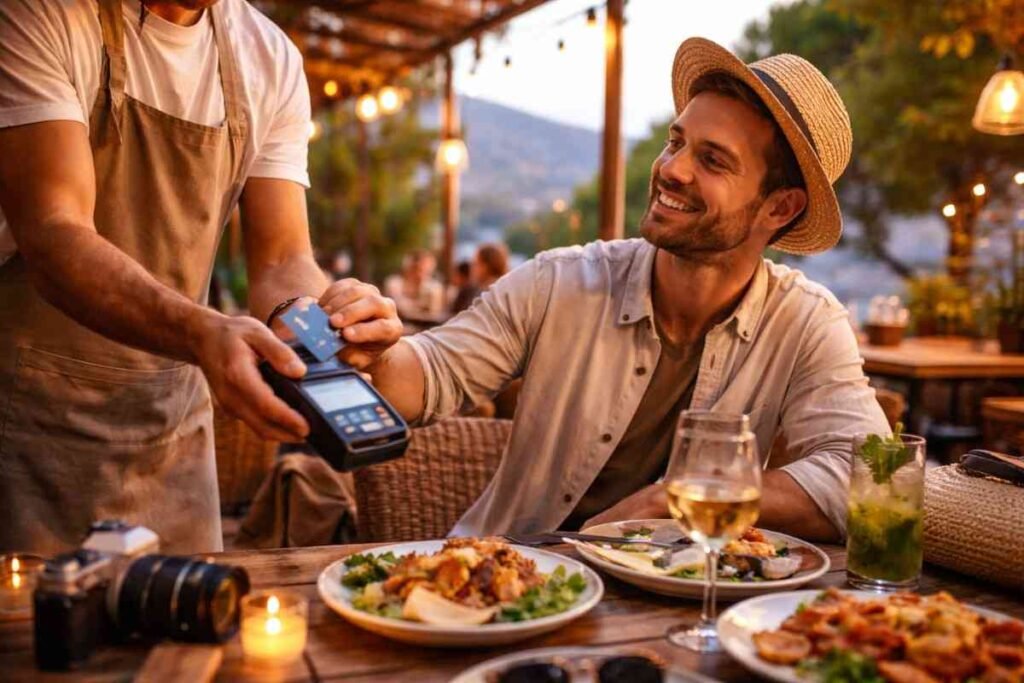
Whenever a card machine asks whether to pay in your home currency or the local currency, always choose the local option. This avoids dynamic currency conversion, which often includes hidden markups that can range from 3 percent to 10 percent. These extra charges are rarely visible upfront, but they significantly increase your total cost.
I make it a habit to double check this option before confirming any transaction. Even small purchases can add up over time, so consistently choosing the local currency helps me stay in control of my spending.
Avoid Airport And Hotel Exchange Counters
Airport kiosks and hotel exchange desks are known for offering the worst exchange rates. They often include high commissions and poor conversion values, sometimes costing travelers up to 15 percent more than bank rates. While they may seem like the easiest option, they are rarely the smartest.
Instead, I exchange a small amount before departure and rely on better options like bank ATMs once I arrive. This simple switch has made a noticeable difference in how much money I retain during trips.
Use No Fee Credit Cards
Many travel credit cards do not charge foreign transaction fees, which are typically around 3 percent per transaction. Using a no fee card for hotels, dining, and larger purchases can save a significant amount over the course of a trip.
I always carry at least one such card and prioritize using it whenever possible. It simplifies payments and ensures I am not paying extra just for using my card abroad.
Best Methods To Exchange Currency Abroad
Not all exchange methods are equal, and knowing the difference helps you make smarter decisions.
Withdraw From Bank ATMs
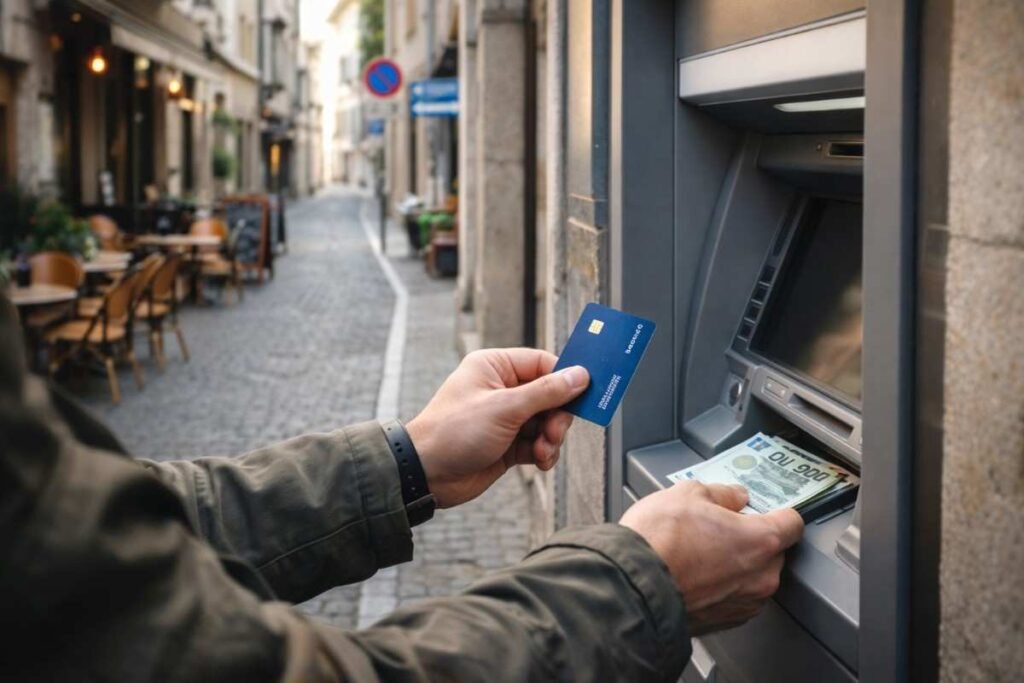
Using ATMs located at reputable banks is one of the best ways to access local currency. These machines typically offer near market exchange rates and lower fees compared to exchange counters. If your bank has international partnerships, you may even avoid withdrawal fees entirely.
I avoid standalone ATMs in tourist areas because they often include higher fees and security risks. Choosing the right ATM makes a big difference in both cost and safety.
Pre Order Currency From Your Bank
Ordering foreign currency from your home bank before traveling ensures you have some cash ready upon arrival. While the rates may include a small markup, it provides convenience and peace of mind for initial expenses like transport and food.
I usually exchange a modest amount in advance and handle the rest after reaching my destination. This balance keeps things practical without overpaying.
Use Multi Currency Apps
Apps like Wise or Revolut allow you to hold and convert multiple currencies at competitive rates. These platforms often charge lower fees compared to traditional banks and make it easy to track spending in real time.
I use these apps for managing travel funds and making payments where digital options are accepted. It adds flexibility and reduces the need to carry excessive cash.
Comparison Of Exchange Methods
Understanding the cost differences helps you choose the most efficient option for your travel style.
| Method | Typical Cost Or Fee | Best For |
| No Fee Credit Card | 0 percent | Hotels, restaurants, large purchases |
| In Network ATM | 0 to 1 percent | Daily cash needs like taxis and markets |
| Home Bank Pre Order | 1 to 5 percent | Small starter cash before arrival |
| Multi Currency Apps | 0.4 to 1 percent | Managing multiple currencies digitally |
| Airport Kiosk | 8 to 15 percent | Emergency situations only |
Practical Preparation Before You Travel
A little preparation before your trip can prevent major issues later.
Inform Your Bank
Before traveling, I always set a travel notice through my bank’s app. This ensures that international transactions are not flagged as suspicious, which could otherwise lead to blocked cards during critical moments.
It takes only a few minutes but provides peace of mind throughout the trip. I consider it a non negotiable step in my travel routine.
Carry Backup Payment Options
I always carry at least one debit card and one credit card from different banks. I keep them in separate places so that if one is lost or stolen, I still have access to funds.
This simple strategy has saved me from stressful situations more than once. It ensures that I am never completely dependent on a single payment method.
Track The Mid Market Exchange Rate
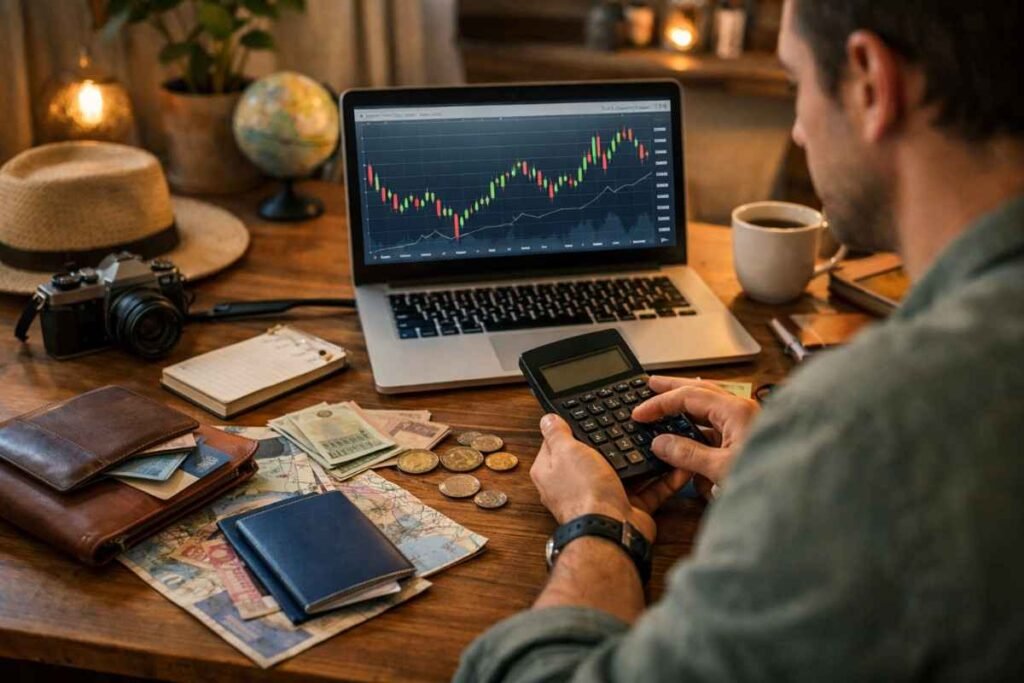
Knowing the real rate helps you identify unfair deals. Before exchanging money or making large payments, I check the mid market rate using a reliable app. This gives me a clear benchmark to compare against what I am being offered.
If the rate looks significantly worse than expected, I avoid the transaction and look for a better option. This habit keeps me from overpaying without realizing it.
Easy Currency Exchange Tips For Travelers
Following a simple system ensures you make the most of your money throughout your trip.
First, I start by checking current exchange rates a few days before departure. This helps me understand the value of the currency and decide whether to exchange a small amount in advance. I then order a limited amount of cash from my bank for immediate expenses after arrival.
Once I reach my destination, I locate a trusted bank ATM and withdraw local currency. I always choose to be charged in the local currency to avoid unnecessary conversion fees. For most purchases, I use a no fee credit card to minimize costs and maintain convenience.
During the trip, I monitor my spending and withdraw smaller amounts of cash as needed instead of carrying large sums. Before leaving, I spend remaining coins and small bills locally to avoid losing value when converting them back.
Frequently Asked Questions
1. What Are The Best Currency Exchange Tips For Travelers?
Use no fee credit cards, withdraw from bank ATMs, and always pay in local currency to avoid hidden fees and poor exchange rates.
2. Should I Exchange Money Before Traveling?
Yes, exchange a small amount for initial expenses, but rely on ATMs abroad for better rates during your trip.
3. How Can I Avoid Currency Conversion Fees?
Choose cards without foreign transaction fees and avoid dynamic currency conversion by paying in local currency.
4. Is It Safe To Use ATMs Abroad?
Yes, use ATMs located at reputable banks and avoid standalone machines in crowded tourist areas for better security.
Safe Travels!
Mastering currency exchange tips for travelers is not about complicated strategies but about making smarter everyday choices. When you combine the right payment methods, avoid unnecessary fees, and stay aware of exchange rates, you protect your travel budget and enjoy your trip with confidence. These small habits quickly turn into a reliable system that works every time you travel.