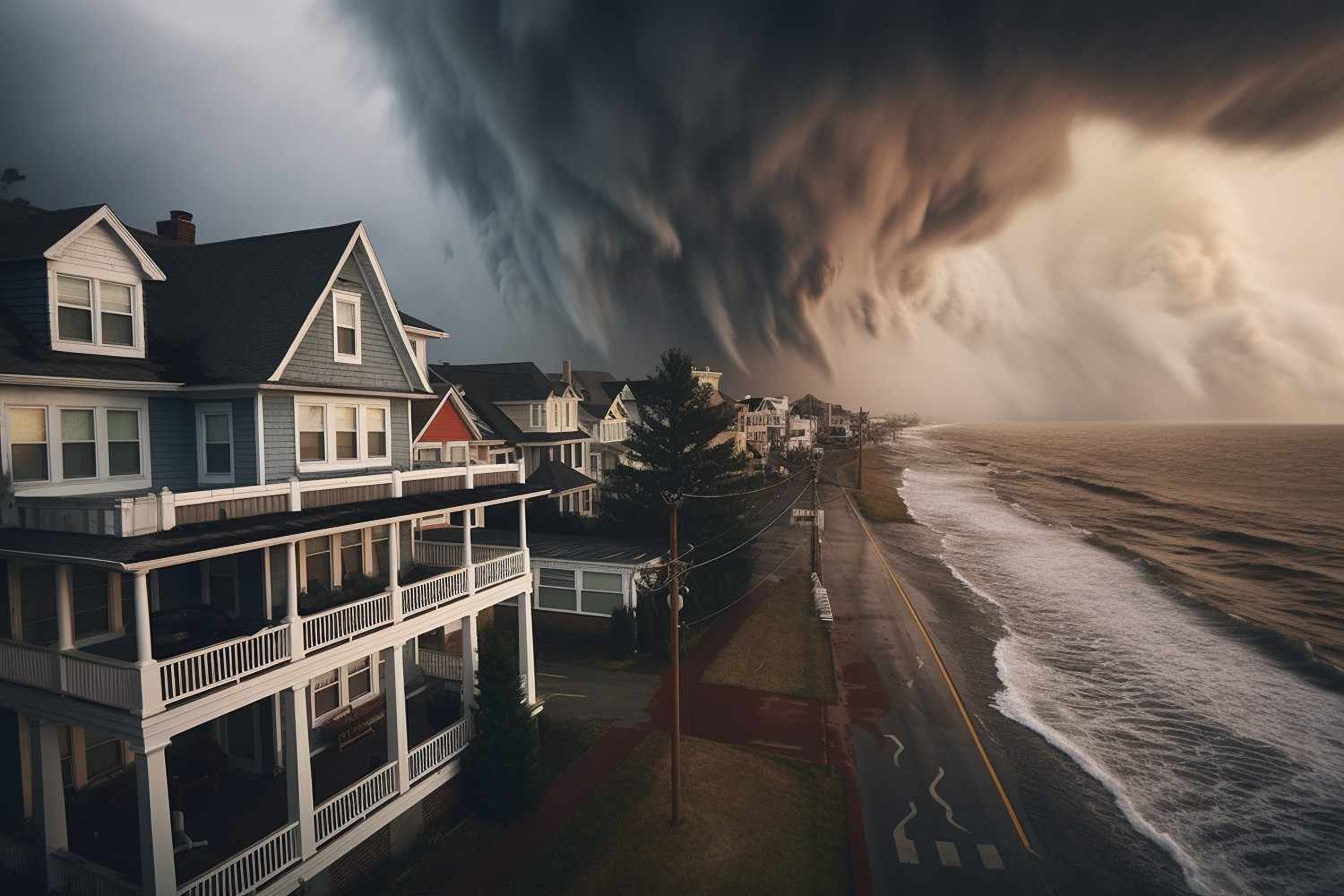
When extreme weather threatens, taking proactive steps to protect your home can mean the difference between minor maintenance and catastrophic property damage. Severe tropical storms bring a combination of relentless, driving rain and destructive gale-force winds that test the integrity of any structure.
While you cannot control the path of a storm, you can control how well your estate is prepared to withstand the impact. Fortifying your exterior, securing loose items, and managing your landscape ahead of time will significantly lower the risk of structural failure and flooding.
Fortifying the Structural Exterior
The outer shell of your house is the primary line of defense against the elements. Ensuring this barrier is secure prevents wind and water from breaching the interior.
Inspect and Reinforce the Roof

Roofing materials bear the brunt of high-velocity winds. Before storm season arrives, check for loose, damaged, or missing shingles and replace them immediately. Wind can easily catch the edge of a loose tile, peeling it away and exposing the underlayment to torrential rainfall. For areas prone to extreme weather, installing hurricane clips or roof trusses adds critical structural reinforcement.
Protect Windows and Entryways
Windows are highly vulnerable to airborne debris. Installing impact-resistant shutters provides the most reliable protection. If shutters are not available, precut marine-grade plywood panels can be bolted over window frames when a storm warning is issued. Ensure all exterior doors have heavy-duty deadbolts and that garage doors are reinforced, as a breached garage can cause internal pressure to lift the entire roof.
Managing Water Flow and Drainage
Heavy rains can quickly overwhelm local infrastructure and residential yards, leading to severe localized flooding and foundation erosion.
Clear Gutters and Downspouts
Debris like leaves, twigs, and dirt accumulate in gutters over time. When a downspout is clogged, rainwater backs up and flows under the roof shingles or directly down the siding, pooling at the base of the house. Clean your gutters thoroughly and extend downspouts at least six feet away from the foundation to ensure water drains safely toward public runoff zones.
Evaluate Yard Grading and French Drains
Take a close look at the slope of your property. The ground should slope away from your home in all directions. If water naturally pools near your walls during normal rainstorms, consider installing a French drain system or a dry well to redirect excess water away from vulnerable structures before a major storm hits.
Securing the Landscape and Vegetation
High winds turn ordinary yard items into dangerous projectiles and cause weak vegetation to collapse entirely, threatening nearby structures.
Clear Loose Items
Before the wind intensifies, walk through your yard and balcony to identify potential hazards. Patio furniture, potted plants, bicycles, trash cans, and garden tools must be brought indoors or anchored securely to the ground.
Manage Large Canopy Growth
Overhanging branches pose a massive threat to roofs, power lines, and windows. Dead, diseased, or poorly structured limbs can easily snap under the weight of rain and pressure of high winds. Regularly thinning out the canopy allows wind to pass through the branches more freely, reducing the likelihood of the entire trunk uprooting.
Property owners should maintain their vegetation annually to prevent these hazards. Even if you are dealing with a property in a completely different climate, such as a vacation home or investment property in the mountain west, utilizing a professional service for tree trimming in Salt Lake City ensures that regional species are properly balanced to survive sudden, harsh weather changes without failing structurally.
Organizing Emergency Utilities
The final stage of property preparation involves managing the utilities that keep your home safe and functional during an extended power outage.
Inspect your sump pump to ensure it operates correctly and consider investing in a battery backup system in case the main electricity fails. If you use a portable generator, ensure it is positioned outdoors at least twenty feet away from windows to prevent carbon monoxide poisoning. Finally, locate your main water and gas shutoff valves so you can close them quickly if the infrastructure becomes compromised during the event.
These practical steps work alongside broader protection strategies, such as Enhancing Building Safety Through Advanced Glazing Systems, to reduce risks before severe conditions cause damage.