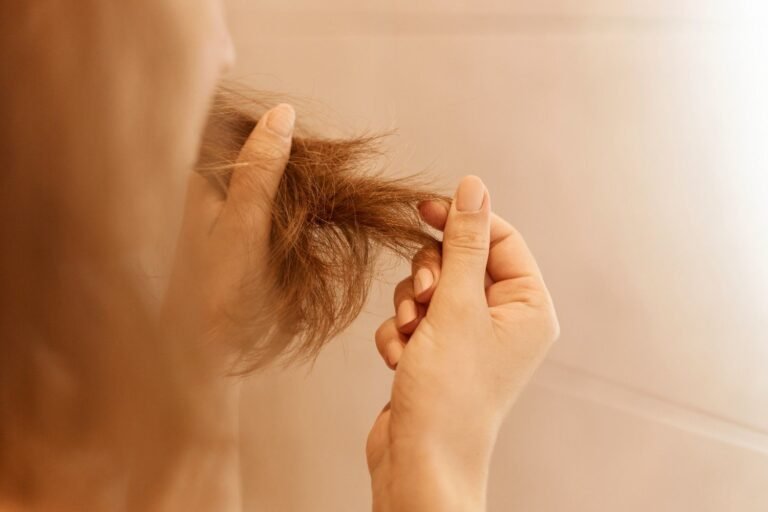
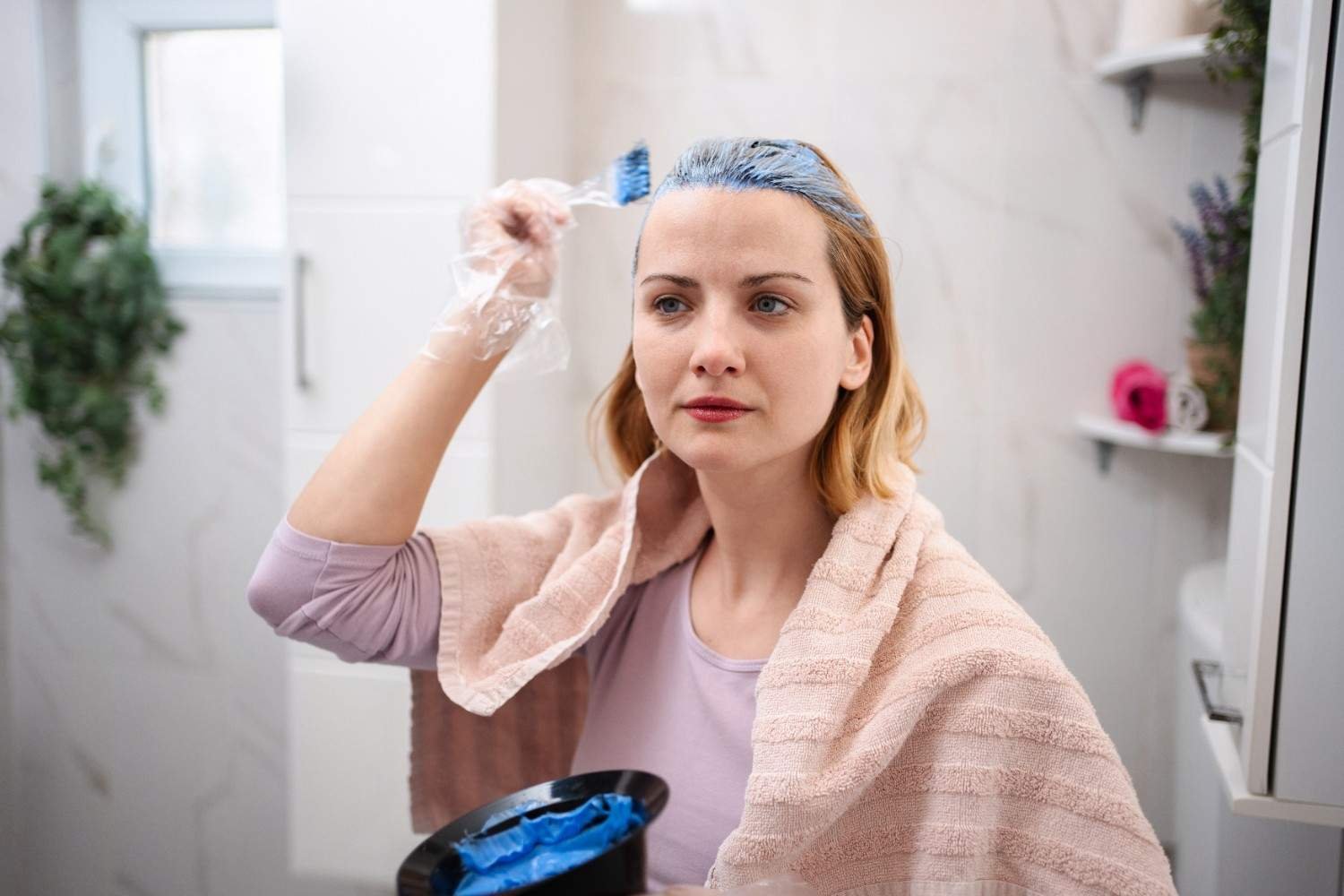
Anyone who colors their hair at home knows that hair dye has a mind of its own. One moment everything looks neat and controlled, and the next, there’s a bold smear across the forehead, a streak near the ears, or a mysterious patch on the neck. As the dye oxidizes, those little mistakes grow darker and far more noticeable, almost as if they’re determined to outlast the color on the hair itself.
The reassuring part is that these stains aren’t permanent, and with the right techniques, they can disappear much faster than most people expect. Even stubborn, dried-on dye can be lifted with a few smart, skin-friendly methods. Understanding what works and when to use each method makes the whole process feel far less stressful and a lot more manageable.
Why Hair Dye Stains the Skin
Hair dye is formulated to slip deep into the hair cuticle, but it doesn’t discriminate. When it touches the skin, those same pigments latch onto the outer layer of the epidermis. Fresh stains are still loose enough to lift easily, but once the dye dries or oxidizes, it settles in and becomes much tougher to remove.
That’s why professionals always recommend beginning with soft, skin-friendly methods before reaching for anything abrasive. Think of it like tackling a spill: acting early keeps the cleanup simple. Waiting too long just means you’ll need a little more strategy (and patience) to get the stain off completely.
Quick Comparison of the Most Effective Hair Dye Removal Methods

| Method | Best For | Strength Level | Safe on Face? | Why It Works |
| Soap + Warm Water | Fresh stains | Mild | Yes | Removes dye before oxidation |
| Oils (olive, baby, coconut) | Sensitive skin | Mild | Yes | Breaks down pigment naturally |
| Micellar Water/Makeup Remover | Facial stains | Moderate | Yes | Dissolves pigment like long-wear makeup |
| White Toothpaste | Older facial stains | Moderate | With caution | Mild abrasives lift surface stains |
| Baking Soda + Dish Soap | Hands/neck | Strong | No | Exfoliates and cuts dye residue |
| Rubbing Alcohol/Hand Sanitizer | Stubborn stains | Strong | No | Dissolves set dye quickly |
| Professional Dye Remover Wipes | All stain types | Moderate–Strong | Yes | Formulated for color-stain removal |
Gentle Methods for Face and Sensitive Skin
These gentle methods are the safest for removing dye from delicate areas like the forehead, hairline, cheeks, and ears. They lift stains without irritation and work surprisingly well, even on darker marks. With the right approach, these sensitive spots clear up quickly.
Soap and Warm Water
If the stain is fresh, this is the easiest option. A mild cleanser and warm water can remove most of the dye before it settles into the skin. This works best immediately after application, once the dye dries, additional methods help more.
Oils: Olive, Baby, or Coconut
Oils lift hair dye without irritating the skin. They’re widely recommended because they break down pigment without stripping moisture.
How to use: Apply oil to a cotton pad, massage gently over the stained area, leave it on for 5–10 minutes, then rinse with warm, soapy water. For deeper stains, letting the oil sit overnight works well.
Micellar Water or Makeup Remover
These products dissolve stubborn pigments, including long-wear makeup, making them ideal for hair dye along the hairline.
How to use: Apply micellar water to a cotton pad and wipe gently. Repeat until the stain fades.
White Toothpaste (Non-Gel)
Classic white toothpaste contains mild abrasives that help remove surface-level dye.
How to use: Spread a small amount of toothpaste on the stain, rub gently using a fingertip or soft cloth, let it sit for 5–10 minutes, and rinse off. Avoid gel formulas; they don’t contain the abrasives needed for lifting stains.
Stronger Methods for Hands and Less Sensitive Areas

Dye grabs hardest onto thicker skin, like the hands and neck, which is why strong removers work best there. These methods should never be used on the face, as it’s too delicate and reacts easily.
Baking Soda and Dish Soap Paste
This combination exfoliates while cutting through pigment.
How to use: Mix equal parts dish soap and baking soda to form a paste. Rub gently over the stain, then rinse thoroughly. This method works quickly but can dry out the skin, so moisturize afterward.
Rubbing Alcohol or Hand Sanitizer
These options remove extremely stubborn stains but can cause dryness.
How to use: Dab a small amount onto a cotton pad and press lightly on the stain. Wash the area with soap and water immediately afterward and follow with moisturizer. This should only be used when gentler techniques fail.
Professional Hair Dye Remover Wipes
These wipes, available at beauty stores like Sally Beauty, are formulated specifically for removing dye from skin. They’re effective on hands, ears, hairline, and neck, and are safe for most skin types.
How to Remove Hair Dye from Skin After It Dries
Once the dye dries, it bonds more strongly to the skin, so removal takes a more layered approach.
Step 1: Start with an Oil Soak
Oils help loosen the bond between pigment and skin. Apply generously and let it sit for several minutes before wiping.
Step 2: Follow with Micellar Water or Toothpaste
These help lift the stain from the surface once the oil has softened it.
Step 3: Use Baking Soda Paste for Non-Facial Areas
For hands, wrists, or the back of the neck, a baking soda paste helps remove pigment the oil couldn’t break down.
Step 4: Moisturize Thoroughly
Skin can feel tight or dry afterward, so applying moisturizer restores comfort and protects the skin barrier.
Prevention Tips for Future Coloring Sessions
Removing stains is easy, but preventing them makes the coloring process smooth and stress-free. These tips come directly from professional colorists.
Apply a Barrier Cream
Petroleum jelly, thick moisturizer, or a professional barrier cream along the hairline, ears, and neck prevents pigment from bonding to the skin.
Wear Gloves
Hands stain the fastest. High-quality gloves dramatically reduce cleanup time.
Clean Spills Right Away
Fresh dye wipes off easily. Once it oxidizes, it darkens and becomes harder to remove.
FAQs
1. How long do hair dye stains stay on skin?
Without intervention, stains may linger for 2–5 days. Using the methods listed above, most stains fade within minutes to a few hours.
2. Can nail polish remover get hair dye off skin?
It can, but it’s harsh and not recommended. Acetone can cause irritation and should be avoided on the face or neck.
3. Is hydrogen peroxide safe for removing dye from skin?
Only in diluted form and only for non-sensitive areas. It may lighten the skin temporarily, so gentler methods are preferred.
4. What should someone with sensitive or acne-prone skin use?
Oils and micellar water are the safest choices. Avoid abrasive scrubs and harsh chemicals.
Final Thoughts
With the right mix of gentle and targeted methods, removing hair dye stains becomes quick, safe, and surprisingly simple. Starting with mild options like oils or micellar water and moving to stronger solutions only when needed helps lift pigment without irritating the skin.
Once someone learns how to get hair dye off skin, the whole coloring routine feels less intimidating and a lot more manageable. It also builds confidence for future at-home dye jobs. A few smart prevention steps, like barrier cream and gloves, can keep those stains from showing up in the first place.