

When we discuss high-performance computing, the conversation usually revolves around processor speeds, storage capacity, and bandwidth. We obsess over the specifications of the hardware and the efficiency of the software. However, the physical environment housing this technology plays a role that is just as critical, yet often overlooked. The spatial arrangement of a facility—its layout—is the invisible backbone of operational success.
For data center managers and IT facility operators, layout planning is not merely about fitting the maximum number of racks into a room. It is a strategic exercise that directly dictates the facility’s cooling efficiency, energy consumption, ease of maintenance, and, crucially, the safety of the personnel working inside.
A poorly planned layout can lead to hotspots, dangerous working conditions, and inflated energy bills. Conversely, a well-optimized floor plan enhances equipment longevity and streamlines daily operations.
This article explores how strategic layout planning serves as a catalyst for both peak performance and rigorous safety standards.
The Critical Role of Airflow Management

Heat is the primary adversary of data center performance. As server density increases, so does the thermal output. If this heat is not effectively removed, equipment can throttle down to protect itself or fail entirely. Layout planning is the first line of defense in thermal management.
The most standard and effective approach to this is the “hot aisle/cold aisle” configuration. By arranging server racks so that the fronts face each other (cold aisle) and the backs face each other (hot aisle), facilities can create a predictable air pattern. This prevents the immediate mixing of cool supply air with hot exhaust air, which is the leading cause of cooling inefficiencies.
However, arrangement alone is often not enough for high-density environments. This is where containment strategies come into play. Advanced layouts incorporate physical barriers to strictly segregate airflow.
For example, installing data center air containment curtains at the ends of aisles or above racks ensures that cold air goes exactly where it is needed—through the servers—rather than leaking into the surrounding room. This targeted cooling reduces the load on HVAC systems, lowering energy costs and extending hardware life.
Navigating Safety Through Spatial Design
Safety in a data center is twofold: protecting the equipment and protecting the people. A cluttered, disorganized floor plan is a liability on both fronts.
From a personnel perspective, the layout must accommodate clear egress paths. In the event of an emergency, such as a fire or power failure, technicians must be able to exit the facility rapidly without navigating a maze of cabling or narrow gaps between machinery.
Strategic planning ensures that aisle widths meet or exceed safety codes, providing ample room for movement and minimizing the risk of accidental contact with sensitive equipment.
Furthermore, proper layout planning mitigates trip hazards and routine inspections improves reliability and safety. “Spaghetti cabling”—the tangled mess of wires often found behind racks—is a hallmark of poor planning.
By designing layouts that integrate overhead or under-floor cable trays, facilities keep walkways clear. This not only prevents injuries but also reduces the likelihood of a critical cable being unplugged by a stumbling employee.
Enhancing Maintenance and Troubleshooting
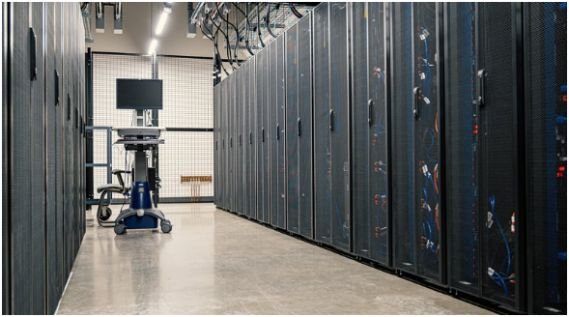
Performance is not just about uptime; it is also about how quickly issues can be resolved when they arise. The “Mean Time to Repair” (MTTR) is a key performance metric, and the physical layout has a direct impact on it.
In a cramped, poorly lit, or disorganized server room, simple maintenance tasks become arduous. If a technician has to squeeze behind a rack or remove adjacent panels just to access a faulty drive, downtime increases. A layout designed with maintenance in mind ensures that every piece of equipment is accessible.
Adequate spacing between rows allows for the safe use of server lifts and crash carts. It ensures that doors can fully open and that technicians have the physical space to work comfortably. When the environment supports the worker, mistakes happen less frequently, and repairs are completed faster.
Scalability and Future-Proofing
Technology evolves rapidly. The server configuration that works today might be obsolete in three years. A rigid layout traps an organization in the past, making upgrades expensive and disruptive.
Effective layout planning is inherently modular. It anticipates growth. Instead of filling the room to capacity from day one, smart planners designate zones for future expansion. They ensure that power and cooling infrastructure is laid out in a way that allows for new racks to be added without overhauling the existing setup.
This forward-thinking approach also applies to power density. As newer hardware requires more power, the layout must be able to support increased cooling requirements without creating new hotspots. By planning for variable density zones, facilities can deploy high-performance computing clusters alongside standard networking gear without compromising the stability of the entire room.
Building a Safer, Faster Future
The correlation between physical layout and digital output is undeniable. A data center is a complex ecosystem where airflow, electricity, and human interaction must coexist in harmony.
By prioritizing a strategic layout, organizations do more than just tidy up their server rooms. They unlock operational efficiencies through better thermal management.
They protect their staff by adhering to rigorous safety standards. And they ensure that their infrastructure is agile enough to adapt to the technology of tomorrow.
Whether it involves reorienting racks or installing data center air containment curtains, every physical adjustment helps build a more robust, efficient, and safe digital environment.