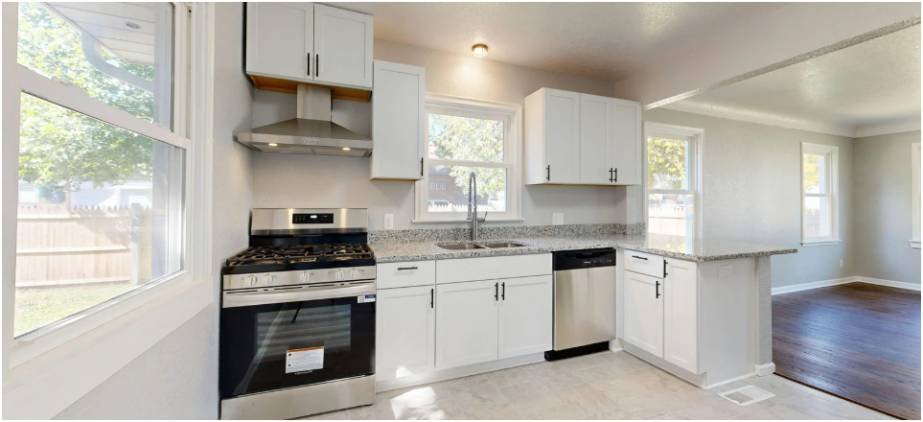
A kitchen renovation is one of the most impactful upgrades you can make to your home. The materials you select are at the core of this transformation, defining not just the room’s appearance but also its durability and daily function.
Making the right choices requires a careful balance of style, performance, and budget. This guide will help you navigate the essential material selections for your project, from countertops to flooring.
The Foundation: Cabinetry
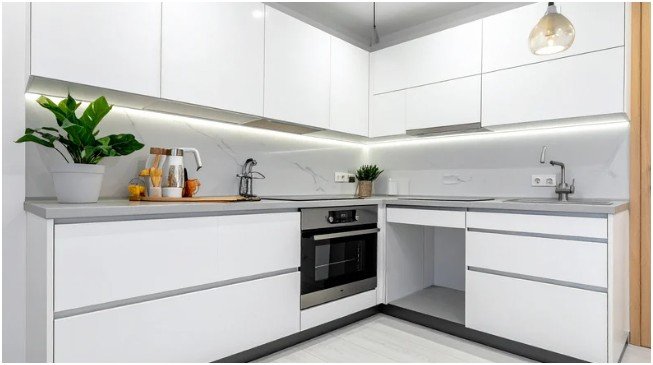
Cabinets are a dominant visual element in any kitchen and a significant portion of the budget. Your choice will impact the room’s overall style and provide the primary storage.
Cabinet Material Options
Solid wood remains a popular choice for its timeless appeal and strength. Maple, cherry, and oak are common options, each offering a distinct grain and color. For a more budget-conscious approach, medium-density fiberboard (MDF) provides a smooth, stable surface ideal for painted finishes. Plywood is another excellent alternative, known for its structural integrity and resistance to moisture, making it a durable choice for cabinet boxes.
Finishes and Hardware
The finish you choose protects the cabinetry and sets the aesthetic tone. Stains highlight the natural beauty of wood grain, while paint offers an unlimited color palette for a more modern or personalized look. Don’t overlook the hardware; handles and knobs are like jewelry for your cabinets, providing a final touch that can tie the whole design together.
The Workhorse: Countertops
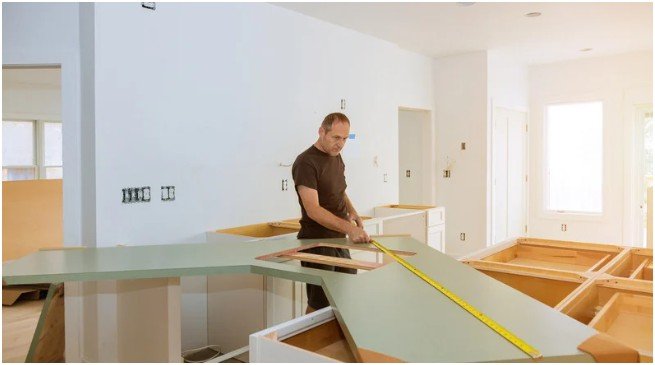
Kitchen countertops endure daily wear from meal prep, hot pans, and spills. The ideal material must be tough enough to handle this use while complementing your design vision.
Popular Countertop Surfaces
Natural stone like granite has long been favored for its durability and unique patterns. Each slab is one-of-a-kind. Marble offers a classic, elegant look but requires more maintenance as it is softer and more porous.
For those seeking a blend of beauty and low maintenance, engineered stone is an excellent alternative. It is made from crushed stone combined with resin, creating a non-porous and highly durable surface that resists stains and scratches.
You can find high-quality engineered materials, such as quartz countertops from Salt Lake City, that deliver both performance and a wide range of consistent colors and patterns. Butcher block adds warmth and a traditional feel, but it demands regular sealing to prevent water damage and staining.
The Groundwork: Flooring
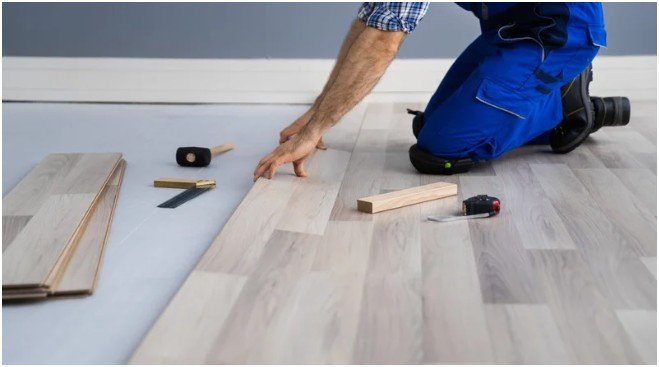
Kitchen flooring needs to be resilient, comfortable to stand on, and easy to clean. It must withstand heavy foot traffic, dropped utensils, and frequent spills.
Durable Flooring Choices
Porcelain or ceramic tile is a classic for a reason. It is extremely durable, water-resistant, and available in countless styles, from wood-look planks to intricate patterns. Hardwood floors bring natural warmth and beauty, seamlessly connecting the kitchen to the rest of the home. However, they can be susceptible to water damage if not properly sealed.
For a softer and more affordable option, luxury vinyl tile (LVT) or planks offer impressive realism in mimicking wood or stone. LVT is waterproof, scratch-resistant, and comfortable underfoot, making it a practical and popular choice for busy kitchens.
The Finishing Touch: Backsplashes
A backsplash protects your walls from splashes and splatters while providing a key design opportunity to inject personality into your space. Because perfect planned layout enhances performance and durability.
Backsplash Material Ideas
Subway tile is a versatile and timeless option that fits nearly any style, from traditional to contemporary. Glass tiles can brighten the kitchen by reflecting light, creating a sleek and modern feel.
For a more dramatic statement, consider patterned cement tiles or a full-height slab of the same material as your countertop. This creates a seamless and luxurious look.
Choosing the right materials is a process of matching your lifestyle needs with your aesthetic preferences. By carefully considering the durability, maintenance, and style of each component, you can create a kitchen that is not only beautiful but also built to last.