
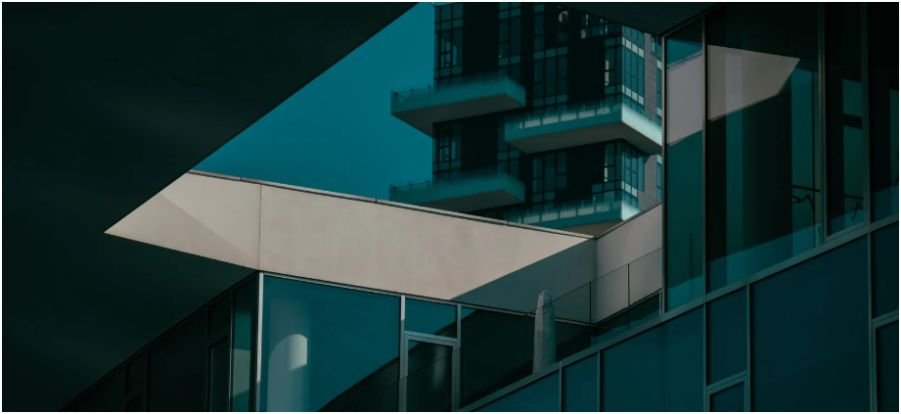
For decades, glass was viewed primarily as an aesthetic element in architecture—a way to bridge the gap between the interior and the exterior, allowing natural light to flood living and working spaces. However, traditional glass was often the weakest link in a building’s envelope, posing significant risks during severe weather, fires, or security breaches. Today, the narrative has shifted dramatically. Thanks to innovations in materials science and engineering, advanced glazing systems have evolved into critical safety components that protect occupants and structural integrity alike.
Modern architects and engineers no longer have to choose between transparency and security. By integrating sophisticated glazing technologies, buildings can withstand extreme forces while maintaining a sleek, open appearance. Here are the key ways advanced glazing systems are revolutionizing building safety.
1. Superior Impact Resistance for Severe Weather
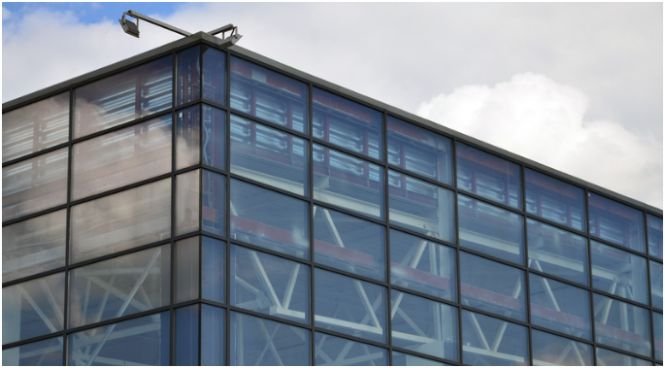
One of the most significant advancements in fenestration is the development of impact-resistant glazing. This technology typically involves laminated glass, where two or more layers of glass are bonded together with a durable interlayer, usually made of polyvinyl butyral (PVB) or ionoplast polymers. In the event of breakage, the glass shards adhere to the interlayer rather than shattering into dangerous projectiles, which is a leading cause of injury during storms.
This technology is particularly vital in coastal regions subject to hurricane-force winds. Building codes in these areas have evolved to mandate rigorous testing for windows and doors. For instance, the installation of impact windows in Pembroke Pines, FL has become a standard practice for meeting the High Velocity Hurricane Zone (HVHZ) requirements, ensuring that homes and commercial properties can withstand flying debris and intense pressure cycling without breaching the building envelope.
2. Enhanced Fire Protection and Compartmentalization
Standard window glass offers little resistance to fire; it typically shatters quickly when exposed to high temperatures, allowing smoke and flames to spread to adjacent rooms or buildings. Advanced fire-rated glazing systems, however, serve as vital passive fire protection measures.
These systems fall into two categories: fire-protective and fire-resistive. Fire-protective glass defends against the spread of flames and smoke, utilizing materials like wired glass or specially tempered ceramics that can withstand thermal shock.
Fire-resistive glass goes a step further by blocking radiant heat transfer, effectively acting as a thermal barrier. This capability allows architects to use glass in firewalls and stairwells, ensuring that evacuation routes remain safe and passable for longer periods during an emergency.
3. Deterrence Against Forced Entry and Ballistics
Security is a top priority for government buildings, schools, and high-end retail establishments. Advanced glazing acts as a formidable barrier against forced entry and, in extreme cases, ballistic threats. Unlike standard annealed glass, which can be broken quietly and easily, security glazing is engineered to resist aggressive attacks.
Multi-ply laminated glass systems can withstand repeated blows from heavy objects like hammers or crowbars. Even if the glass cracks, the strong interlayer maintains the barrier, delaying intrusion significantly. This delay is often enough to deter criminals or buy time for law enforcement to arrive. For higher security needs, glass-clad polycarbonate makeups offer bullet-resistant capabilities without the visual bulk of traditional armored materials.
4. Mitigation of Spontaneous Breakage
A lesser-known safety hazard in building facades is spontaneous breakage, often caused by nickel sulfide inclusions in tempered glass. These microscopic imperfections can expand over time due to temperature changes, causing a pane of glass to shatter unexpectedly, potentially raining debris onto pedestrians below.
Advanced glazing manufacturers now employ Heat Soak Testing, a quality control process where tempered glass is subjected to high temperatures before shipment to induce breakage in defective panes.
Furthermore, the use of heat-strengthened laminated glass in overhead glazing and balcony railings ensures that if a break does occur, the glass remains in the frame rather than falling, neutralizing the risk of falling glass hazards.
5. Structural Integrity and Blast Mitigation
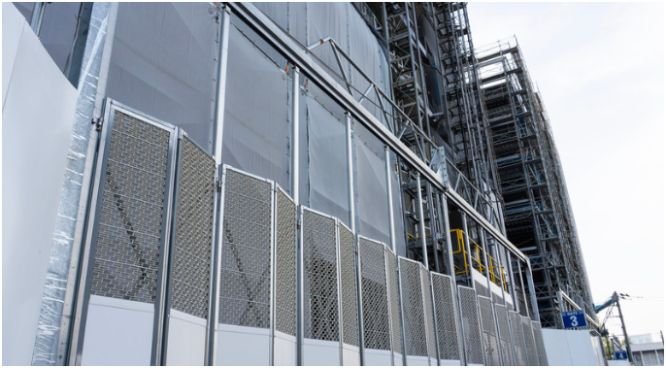
In an era where urban density is increasing, the risk of accidental industrial explosions or intentional attacks is a consideration for structural engineers. Blast-mitigation glazing is designed to absorb the energy of a shockwave.
These systems utilize specialized anchoring mechanisms that secure the glass to the frame and the frame to the building structure. The glazing itself is designed to stretch and deform to absorb energy while retaining the glass fragments.
By preventing the glass from flying inward, these systems drastically reduce the likelihood of laceration injuries, which are statistically the most common cause of trauma during blast events.
6. Protection Against Environmental Hazards
Safety extends beyond immediate physical threats to long-term health. Advanced glazing units often incorporate Low-Emissivity (Low-E) coatings that do more than just improve energy efficiency; they block up to 99% of harmful ultraviolet (UV) rays.
Prolonged exposure to UV radiation can damage skin and eyes and cause rapid fading of interior furnishings. By filtering out these harmful rays while still admitting visible light, high-performance glazing contributes to a healthier indoor environment for occupants, reducing the risk of skin-related health issues associated with sun exposure.
The role of glass in construction has fundamentally changed, not just another trend in commerical bulding exteriors. It is no longer a passive barrier but an active safety system. From resisting hurricane winds to stopping the spread of fire and preventing forced entry, advanced glazing systems are essential to modern building safety strategies.
As technology continues to improve, we can expect even lighter, stronger, and more resilient glass solutions that protect lives without compromising on design.