A chipped tooth can occur unexpectedly, whether it’s from an accident, biting something hard, or even everyday wear and tear. Although a minor chip may seem harmless, it can cause pain, sensitivity, and potential long-term issues if not addressed properly.
Understanding the common causes of chipped teeth, how to identify the symptoms, and knowing the treatment options available are essential to restoring your tooth. With the right care, you can prevent further damage and maintain a healthy, beautiful smile.
What Causes Chipped Teeth?
Several factors can lead to a chipped tooth. It’s important to know the causes so you can avoid them in the future.
1. Accidents and Trauma
A sudden fall, a car accident, or even a sports injury can cause chipped teeth. Trauma to the mouth can easily break or chip a tooth, especially if you’re not wearing protective gear like a mouthguard.
2. Chewing Hard Foods
Chewing on hard objects like ice, popcorn kernels, or hard candy is a common cause of chipped teeth. These foods can put undue pressure on your teeth, leading to cracks or chips.
3. Tooth Decay
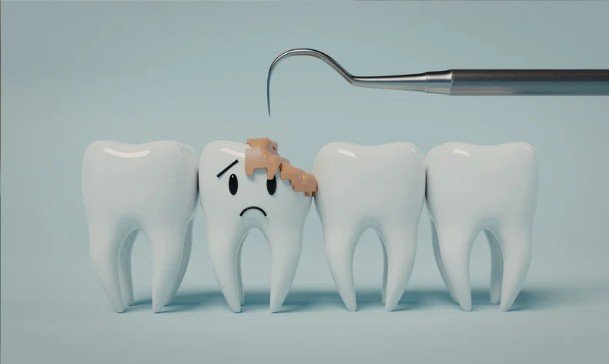
A tooth that has weakened due to cavities or decay is more susceptible to chipping. As the structure of the tooth breaks down, it becomes brittle and prone to damage.
4. Bruxism (Teeth Grinding)
Grinding your teeth, especially during sleep, can weaken the enamel and make the teeth more vulnerable to chipping. Bruxism often goes unnoticed until a tooth chips or cracks.
5. Age and Wear
Over time, normal wear and tear can cause teeth to become more fragile. Older individuals may experience chipped teeth due to years of use and seek immediate dental care that weakens the tooth structure.
Symptoms of a Chipped Tooth

It’s essential to identify the signs of a chipped tooth early to avoid further damage or infection. Common symptoms include:
- Pain or sensitivity when chewing or eating hot or cold foods
- Sharp edges on the tooth that may cause irritation to the tongue or gums
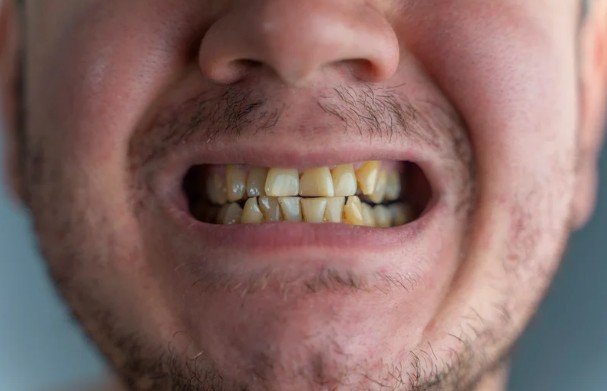
- Visible cracks or pieces of the tooth missing
- Swelling or tenderness around the affected area
- Difficulty chewing or biting down due to discomfort
If you experience any of these symptoms, it’s important to visit your dentist promptly to assess the damage.
How to Repair a Chipped Tooth
The treatment for a chipped tooth depends on the severity of the damage. Here are some common repair methods:
1. Dental Bonding
For small chips, dental bonding is often the preferred solution. Your dentist will apply a tooth-colored resin to the damaged area, shaping it to match the rest of your tooth. Bonding is a quick and relatively inexpensive treatment.
2. Dental Veneers
For larger chips or more visible teeth, veneers may be the best option. Veneers are thin shells of porcelain that are bonded to the front of the tooth to restore its appearance and functionality. They’re durable and look natural, making them a popular choice for cosmetic repairs.
3. Crowns
If the chip is extensive or the tooth is severely weakened, a crown may be needed to cover and protect the tooth. Crowns restore both the function and appearance of the tooth, offering long-lasting protection.
4. Root Canal Therapy
In severe cases where the chip exposes the pulp or nerve of the tooth, a root canal may be necessary. This procedure removes infected tissue and seals the tooth to prevent further damage with the help of root canal treatment.
Preventing Chipped Teeth
While some accidents are unavoidable, there are steps you can take to prevent chipped teeth in the future:
1. Wear a Mouthguard
If you play sports or grind your teeth at night, wearing a mouthguard can protect your teeth from trauma or grinding.
2. Avoid Hard Foods
Be mindful of what you chew. Avoid chewing on ice, hard candy, or anything that can put excess stress on your teeth.
3. Maintain Good Oral Hygiene
Proper oral care, including brushing and flossing, helps maintain the strength of your teeth and prevent decay that could lead to chipping.
4. Regular Dental Visits
Visit your dentist regularly for check-ups to catch any potential issues early, including weakened cavities or tooth decay that could be at risk of chipping.
Frequently Asked Questions (FAQs)
1. What should I do if I chip a tooth?
If you chip a tooth, rinse your mouth with warm water and apply a cold compress to reduce swelling. See a dentist as soon as possible to determine the best treatment.
2. Can a chipped tooth heal on its own?
No, a chipped tooth cannot heal on its own. It requires professional dental care to prevent further damage, such as infection or worsening of the chip.
3. How much does it cost to repair a chipped tooth?
The cost varies depending on the severity of the chip and the treatment required. Dental bonding can be more affordable, while crowns and veneers can cost more due to the materials used and the complexity of the procedure.
4. Will a chipped tooth affect my smile?
Yes, a chipped tooth can affect the appearance of your smile, especially if it’s in a visible area. However, modern dental treatments can restore the tooth to its natural shape and color.
Final Takeaways
A chipped tooth may seem like a minor issue, but if left untreated, it can lead to further complications like infection or more significant damage. Understanding the causes and symptoms of chipped teeth, as well as the various repair options available, is crucial for maintaining good oral health.
Whether you need dental bonding, veneers, or a more extensive procedure like a crown, timely dental care is essential to restoring your smile and preventing further damage. Follow the prevention tips to protect your teeth and keep your smile looking its best.