

It starts with a subtle vibration or a hum that sounds just a little different than usual. Then, a warning light flickers. Suddenly, the entire production line grinds to a halt. The facility falls silent, but the costs immediately start adding up. Emergency repairs, expedited shipping for parts, and missed delivery deadlines can cripple a quarter’s profitability in a matter of hours.
This “run-to-failure” approach—fixing things only when they break—is a gamble that modern businesses can no longer afford to take. The alternative is simple, cost-effective, and often overlooked: routine inspections.
Transitioning from a reactive mindset to a proactive one does more than just keep the lights on. It fundamentally changes the operational rhythm of a facility. By prioritizing regular checks, organizations can unlock a tier of reliability that boosts safety, quality, and asset longevity.
Breaking the “Run-to-Failure” Cycle
There is a lingering misconception in some industries that maintenance is purely a cost center. This leads to the philosophy of “if it ain’t broke, don’t fix it.” However, relying on equipment to function perfectly until it fails is essentially deferring maintenance costs—with interest.
When a machine fails unexpectedly, the cost of repair is often triple that of a planned maintenance activity. You aren’t just paying for the part; you are paying for the idle labor of the operators, the potential spoilage of materials, and the overtime required to get back on schedule.
Routine inspections allow maintenance teams to identify wear and tear early. A frayed belt or a leaking seal is a five-minute fix during a scheduled walkthrough. If left unchecked, that same belt could snap during peak production, causing catastrophic damage to the motor and shutting down operations for days.
Protecting Your Most Valuable Asset: People
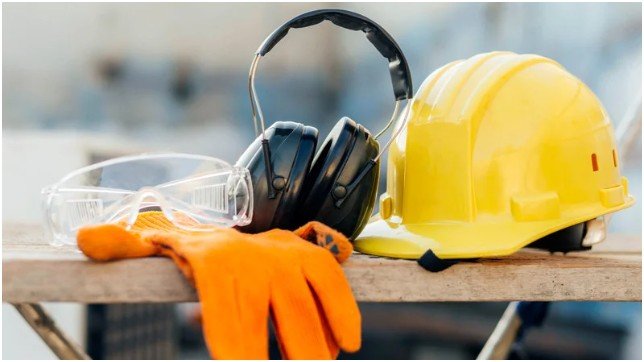
While productivity is critical, safety is non-negotiable. Equipment reliability and workplace safety are intrinsically linked. Malfunctioning machinery is unpredictable. A sensor that fails to trigger a stop, a guard that has rattled loose, or a hydraulic line nearing a rupture point poses a severe risk to operators.
Routine inspections serve as the first line of defense against workplace accidents. By mandating regular checks, you ensure that all safety mechanisms are functional and that the equipment is operating within safe parameters. This creates a culture of safety where employees feel confident that the tools they work with are secure, boosting morale and reducing liability.
Ensuring Consistent Product Quality
Reliability isn’t just about whether the machine turns on; it’s about whether it performs its job correctly. Equipment that is slowly deteriorating will often continue to run, but the quality of its output will degrade over time.
Consider the precision required in processing raw materials. If you are operating a size reduction machine, the sharpness of the blades and the alignment of the screens are vital. If routine inspections are skipped, these components can wear down unevenly.
The machine might still run, but it will produce inconsistent particle sizes, leading to a high rejection rate for the final product. Regular calibration and inspection ensure that the output remains uniform, reducing waste and protecting your brand’s reputation for quality.
Maximizing Asset Lifespan
Industrial equipment represents a massive capital investment. The goal of any facility manager is to amortize that cost over the longest possible period. Neglect is the fastest way to depreciate an asset.
Think of industrial machinery like a vehicle. If you never change the oil or check the tires, the car will eventually break down long before its expected mileage limit. Routine inspections extend the useful life of equipment by addressing the small stressors that lead to major failures.
Lubricating moving parts, tightening loose bolts, and cleaning filters allow the machine to operate with less friction and heat. This preventative care can add years to the lifespan of expensive machinery, delaying the need for costly capital expenditures (CapEx) to replace them.
Data-Driven Decision Making

Modern inspections are about more than just clipboards and checklists. They are data collection points. When technicians log the condition of equipment over time, they build a historical record of performance.
This data is gold for reliability engineers. It helps in identifying patterns. For example, if a specific motor consistently overheats every three months, you can investigate the root cause—perhaps it is undersized for the load, or the ventilation is blocked—rather than just resetting it.
This moves the organization toward predictive maintenance, where you can forecast failures before they happen based on historical trends.
How to Implement an Effective Inspection Strategy
Knowing you need inspections is one thing; executing them effectively is another. Here is how to build a routine that works:
- Standardize the Process: Create detailed checklists for every piece of equipment. “Check the motor” is too vague. “Check motor temperature and vibration levels” is actionable.
- Prioritize Critical Assets: Not all machines are created equal. Identify the equipment that, if broken, would stop production entirely. These assets should have the most frequent and rigorous inspection schedules.
- Empower Operators: Your machine operators know their equipment better than anyone. They know how it sounds and feels when it runs smoothly. Empower them to perform daily visual checks (autonomous maintenance) and report anomalies immediately.
- Audit the System: Regularly review your inspection logs. Are problems being found and fixed? If inspections are always coming back “100% clear” but machines are still failing, your inspection process needs to be re-evaluated.
Build a Culture of Reliability
The shift toward routine inspections requires a cultural change as much as a procedural one. It moves a business from a state of constant firefighting to a state of controlled, predictable operations.
By investing time in regular checks, you gain control over your production schedule, protect your workforce, and ensure that your equipment—from the conveyor belt to the size reduction machine—delivers peak performance for years to come. Don’t wait for the warning light to flicker. Start inspecting today.