
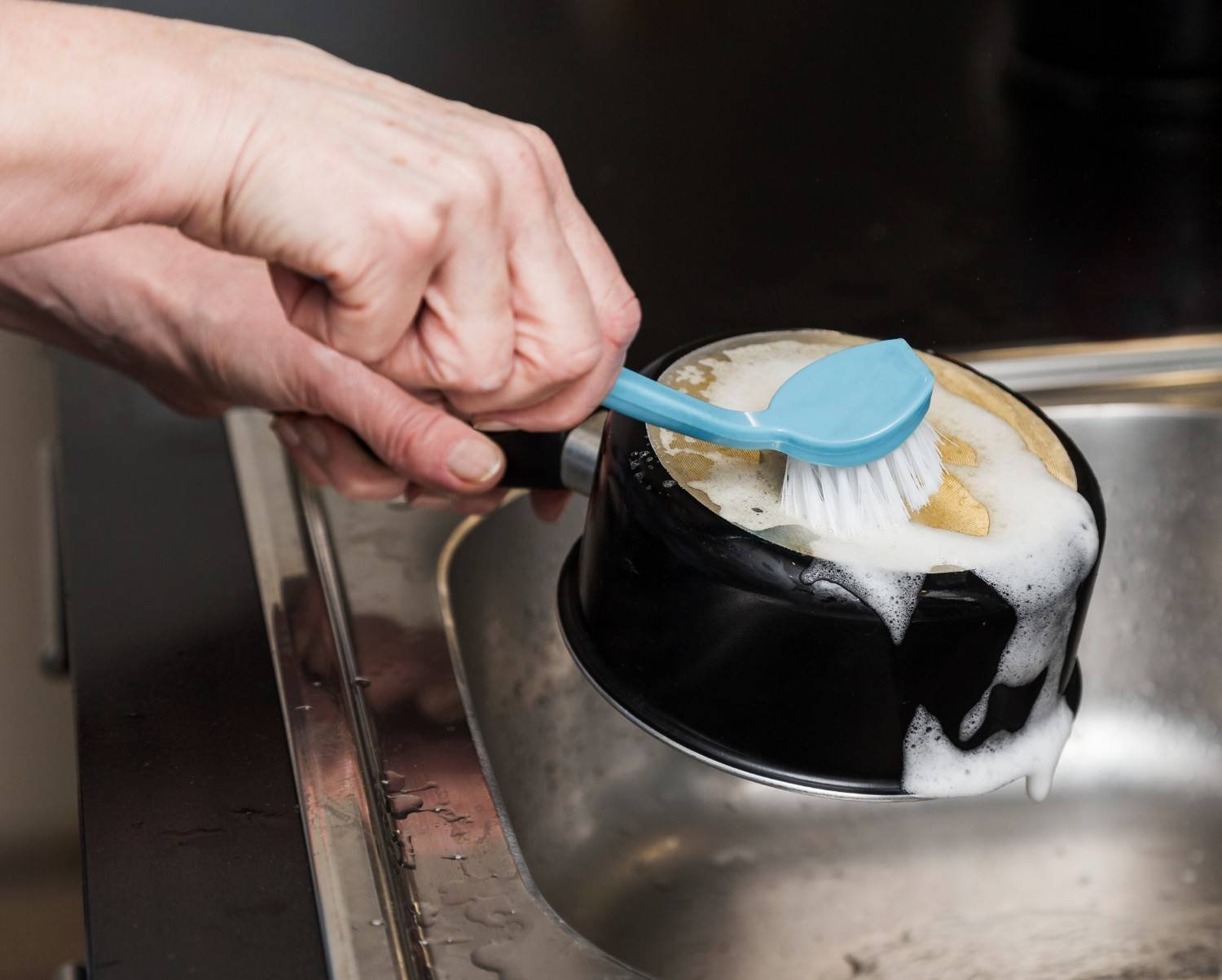
If you have ever searched for how to clean stainless steel appliances, you already know how frustrating fingerprints, streaks and cloudy patches can be. Stainless steel looks sleek when it is spotless, but it can lose its shine quickly if it is not cleaned the right way.
The most important habits are simple: always wipe in the direction of the metal grain and dry the surface thoroughly with a clean microfiber cloth. Those two steps alone prevent most streaks and water spots. Once you understand what stainless steel responds to, keeping it clean becomes predictable and easy.
This guide uses proven cleaning techniques, appliance-safe methods and expert backed steps used by major home care authorities. Whether you are managing everyday smudges, stubborn stains or want a polished finish that lasts, this breakdown shows exactly what works and what to avoid.
Pro Tips on How to Clean Stainless Steel Appliances
Daily cleaning keeps your appliances looking fresh without much effort. Mild products are enough for routine maintenance and do not harm the protective layer of the steel.
Identify the Grain
Look closely at your appliance to spot the faint horizontal or vertical lines. These lines form the grain. Always wipe in this direction because it lifts dirt cleanly and reduces streaking.
Clean the Surface
Dampen a soft microfiber cloth use by dipping in warm water and a couple of drops of mild dish soap. Wipe gently along the grain to clear fingerprints and light grime. This method is safe for all stainless steel appliances.
Rinse the Surface
Use a second cloth dampened with plain water to remove leftover soap. If your tap water leaves mineral spots, use distilled or filtered water for the rinse.
Dry Completely
Drying is the step most people miss. Use a clean, dry microfiber cloth to buff the appliance until the surface looks consistent and streak free. Drying prevents water spots and helps maintain the shine.
Quick Fingerprint Fixes
Fingerprints can appear minutes after cleaning, especially on high-touch areas like refrigerator handles and dishwasher fronts. For quick touch ups, an ammonia free glass cleaner sprayed onto a microfiber cloth removes them fast.
Wipe in the direction of the grain and follow up with a dry cloth if needed. If you want an even faster method, rubbing alcohol on a cotton pad works well for oil based smudges and dries instantly without streaking.
Keeping a small microfiber cloth in a nearby drawer makes spot cleaning easier and helps your appliances stay fresh between deeper cleans.
Tackling Tough Stains
Stainless steel sometimes develops stubborn spots that need more focused attention. These methods target common issues without damaging the finish.
Hard Water Stains
Soak a soft cloth in white vinegar and press it over the affected area for five to ten minutes. Vinegar breaks down mineral buildup. Wipe clean, rinse and dry thoroughly.
Stubborn Grime or Food Residue
Make a paste using baking soda and a little water. Apply it with a soft cloth or sponge, always following the grain. Baking soda lifts stuck residue without scratching. Rinse and dry completely.
Oil Based Marks
Use a small amount of rubbing alcohol on a microfiber cloth for greasy fingerprints and cooking splatters. Alcohol cuts through oils fast without leaving residue.
Polishing Tips
Polishing keeps stainless steel looking smooth and fingerprint resistant.
Light Polishing
Add a couple of drops of olive oil or mineral oil to a microfiber cloth. Gently buff the surface along the grain. Oils create a thin protective barrier that repels fingerprints and water marks.
Commercial Polishes
If you prefer store bought cleaners, choose a polish made for stainless steel. These formulas reduce streaking and usually provide longer lasting protection. Always read the product instructions first, especially for fingerprint resistant or coated finishes.
Care for Different Finishes
Not all stainless steel appliances have the same surface treatment. Many newer appliances have fingerprint resistant coatings and need gentler products. Always check the owner’s manual before trying a new cleaner.
- Avoid oils on fingerprint resistant finishes unless approved by the manufacturer.
- Never use vinegar on black stainless steel unless the manual confirms it is safe.
- Follow brand specific guidelines to prevent surface clouding or discoloration.
What to Avoid
Some products and tools damage stainless steel permanently. Even one wrong cleaning session can dull the shine or scratch the surface.

Never Use
- Abrasive powders
- Scouring pads or steel wool
- Chlorine based cleaners
- Bleach
- Oven cleaner
- Ammonia heavy cleaners
- Paper towels
These products strip the protective chromium layer or create micro scratches that collect dirt and water.
Maintenance Routine
A simple routine keeps stainless steel consistently clean.
Daily
Wipe fingerprints and smudges with a dry or slightly damp microfiber cloth.
Weekly
Wash with mild dish soap and water, then rinse and dry.
Monthly
Apply a light polish to maintain shine and fingerprint resistance.
Consistent care reduces buildup and makes each cleaning session faster.
Frequently Asked Questions
1. What is the safest cleaner for daily use?
The safest daily cleaner for stainless steel is warm water mixed with a few drops of mild dish soap. It lifts dirt without harming the finish.
2. Can vinegar damage stainless steel?
Vinegar is safe for most stainless steel, but it should not sit on the surface for long periods. Always rinse and dry after using it. Avoid vinegar on black stainless steel unless approved by the manufacturer.
3. How do I stop streaks from appearing?
Streaks usually appear when water or cleaner dries on the surface. Always wipe with the grain, rinse thoroughly and dry immediately with a microfiber cloth.
4. What removes tough stains without scratching?
A baking soda paste works well for stubborn spots. It scrubs gently without abrasion when applied with a soft cloth.
Long Lasting Shine Strategy
The best results come from combining gentle products with the right technique. When you clean along the grain, rinse well and dry immediately, stainless steel responds with a consistent, streak free shine. Polishing extends that result and reduces how often fingerprints return.
Instead of thinking of stainless steel as difficult, view it as a material that rewards the correct routine. A few small habits transform the way your kitchen looks every day.
Using the right steps for how to clean stainless steel appliances keeps your surfaces looking newer for longer and makes routine cleaning quicker and more predictable. With consistent care, stainless steel becomes one of the easiest surfaces in your home to maintain.








https://www.omicsonline.org/recommend-to-librarian.php?title=Glasswheelstudio&url=https://glasswheelstudio.com
https://www.wilsonlearning.com/?URL=https://glasswheelstudio.com/
https://www.ironhidegames.com/external?url=https://glasswheelstudio.com/
https://digiex.net/proxy.php?link=https://glasswheelstudio.com/
https://www.fcviktoria.cz/media_show.asp?id=2924&id_clanek=2467&media=0&type=1&url=https://glasswheelstudio.com/
https://chatbots.org/r/?i=8453&s=buy_paper&u=https://glasswheelstudio.com/
https://www.bioguiden.se/redirect.aspx?url=https://glasswheelstudio.com/
https://www.wintv.com.au/?URL=https://glasswheelstudio.com/
https://www.obralia.com/navegacionExterna/header/glasswheelstudio.com/
https://www.todoticket.com/?URL=https://glasswheelstudio.com/
https://app.betterimpact.com/PublicEnterprise/EnterpriseActivity?enterpriseGuid=fc164282-65e0-4f49-ac06-1102ec8dfa0d&activityGuid=a958e445-3d61-40ec-8d5b-d6063b861a44&searchUrl=https://glasswheelstudio.com
https://www.jugendherberge.de/youtube/enable.php?https://glasswheelstudio.com/
https://securityheaders.com/?q=glasswheelstudio.com
https://www.ntis.gov/external_link_landing_page.xhtml?url=https://glasswheelstudio.com/
https://www.h3c.com/cn/Aspx/ContractMe/Default.aspx?subject=%25u5353%25u8D8A%25u8D85%25u7FA4%25uFF0C%25u65B0%25u534E%25u4E09S12500X-AF%25u7CFB%25u5217%25u4EA4%25u6362%25u673A%25u8363%25u83B7%25u201D%25u5E74%25u5EA6%25u6280%25u672F%25u5353%25u8D8A%25u5956%25u201D&url=https://glasswheelstudio.com/
https://www.hawaiitourismauthority.org/speedbump/?targetUrl=https://glasswheelstudio.com/
https://www.beamng.com/proxy.php?link=https://glasswheelstudio.com/
http://www.webclap.com/php/jump.php?url=https://glasswheelstudio.com/
https://www.rovaniemi.fi/includes/LoginProviders/ActiveDirectory/ADLogin.aspx?mode=PublicLogin&ispersistent=True&ReturnUrl=https%3A%2F%2Fglasswheelstudio.com
https://www.paltalk.com/linkcheck?url=https://glasswheelstudio.com/
https://spo-sta.com/member/password/forgot?redirectUrl=https://glasswheelstudio.com/