
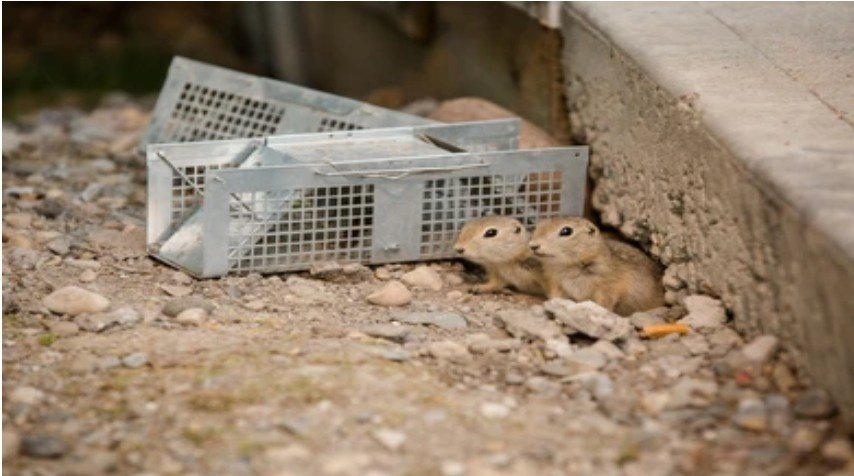
You step outside with your morning coffee and stop in your tracks. Another mound of fresh soil. Another chewed plant. Another reminder that you urgently need to figure out how to get rid of gophers before your yard becomes an underground construction site. Anyone who has dealt with these stubborn burrowers knows how quickly they can turn a healthy lawn or garden into a chaotic patchwork of tunnels and mounds.
The challenge is knowing what actually works. Gophers move quietly, stay hidden, and create tunnel systems that stretch far beyond what you see on the surface. That is why homeowners often waste time and money on methods that sound promising but deliver little to no results. With the right expert backed strategies, you can turn the situation around fast. Keep reading to find the most effective techniques that help you regain control of your yard with confidence and without risking the safety of your pets, family, or the environment.
What You Need to Know Before You Start
Gophers are solitary burrowing rodents that thrive in loose, moist soil. They feed on plant roots, bulbs, tubers, and ornamental vegetation. Each gopher creates its own tunnel system, which can stretch for hundreds of feet. Because they rarely surface, targeting the tunnels is the key to controlling them.
Successful gopher removal always begins with one step. Identifying which tunnels are active. Gophers push fresh soil to the surface as they dig. So newly created gopher mounds are the best indicators of recent activity. Once the active areas are found, you can apply the most effective methods right where they work best.
Trapping Methods
Trapping remains the most practical and efficient solution for small to moderate infestations. Agricultural universities and pest control professionals consistently rank trapping as the most reliable method for removing gophers from residential yards.
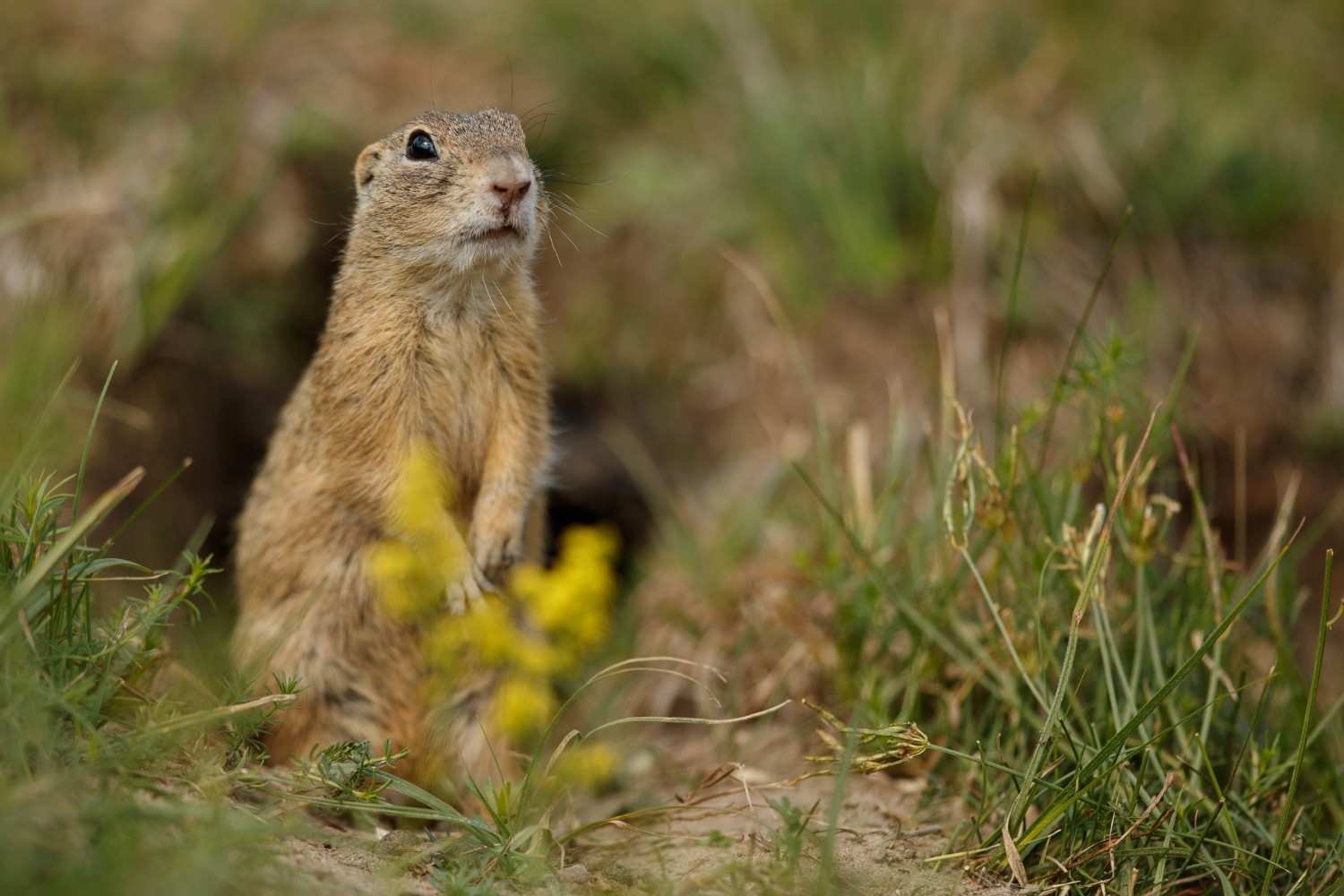
How Trapping Works
Traps are placed inside the main runway. This is the large tunnel that connects side chambers and feeding routes. Locating the main tunnel is essential because traps placed in shallow surface tunnels rarely catch anything.
Types of Gopher Traps
You can find several trap models at most hardware stores, including Ace Hardware.These models are designed to catch gophers inside the tunnel where they travel most often.
Popular choices include:
- Macabee wire traps
- Cinch traps
- Box style traps
How to Set Gopher Traps
Trapping is realistic for homeowners and does not involve chemicals. It also works quickly. Many people see results in as little as one to three days.
- Identify a fresh mound and remove the loose soil.
- Probe the ground about 8 to 12 inches deep to find the main tunnel.
- Dig an opening into the tunnel.
- Place two traps facing opposite directions to cover both travel paths.
- Attach a wire to each trap so you can retrieve it easily.
- Cover the opening with soil or a board so no light enters the tunnel.
- Check the traps daily and reset as needed.
Physical Barriers
For gardens, flower beds, and high value plants, physical barriers offer long term protection. Barriers do not remove existing gophers, but they stop them from reaching sensitive areas.
Hardware Cloth Barriers
Hardware cloth is a strong metal mesh that prevents gophers from burrowing upward into garden beds. It is long lasting and effective when installed correctly. This structure blocks gophers from tunneling into protected zones.
How to Install a Barrier
- Dig a trench around the area you want to protect.
- Line it with a half inch hardware cloth.
- Extend the barrier at least 18 to 24 inches below ground.
- Bend the bottom outward at a 90 degree angle to form an L shape.
- Backfill the trench with soil or gravel.
Barriers for Raised Beds
Raised beds can be fully protected by attaching hardware cloth to the bottom before filling them with soil. This is one of the effective methods to get rid of gophers from entering from underneath.
Repellents That Can Help
Repellents do not remove gophers that are already established, but they can make your yard less attractive over time. Repellents work best when used alongside trapping or barriers.
Commercial Repellents
Castor oil based repellents are the most commonly recommended option. They come in granules or liquid concentrates and are safe when applied as directed.
How they work:
Castor oil irritates the digestive system of gophers and alters soil taste and scent, pushing them to relocate.
Home Based Repellents
Some homeowners have success with simple DIY methods.
Used Coffee Grounds
Sprinkling used coffee grounds near tunnel entrances may help because gophers dislike strong odors. This works best as a supplemental method.
Garlic and Chili Water Spray
A mixture of crushed garlic, chili powder, and water can be poured near tunnel systems. This creates an unpleasant environment but needs regular reapplication.
Less Reliable or Risky Methods
Some common methods are promoted online but do not work well or present safety concerns.
Flooding Tunnels
Flooding rarely drives out established gophers. Their tunnel systems have multiple escape routes and deeper chambers that allow them to avoid water. It can temporarily disrupt activity but is not considered effective for removal.
Poison Baits
Although poison baits may kill gophers, they pose serious risks to pets, children, and wildlife. When a poisoned gopher surfaces or is eaten by a predator, the toxin can affect animals that come into contact with it. Many pest control agencies discourage homeowners from using bait unless they fully understand the risks.
Fumigation
Fumigation requires specialized equipment and is generally ineffective in loose soil. It is also hazardous for untrained users. This method is best left to wildlife control professionals.
Signs of Success
Once trapping and repellents are in place, monitor activity for one to two weeks. Signs of progress include:
- Fewer fresh mounds
- No new tunnel systems
- Reduced plant damage
- Slower soil displacement
If gophers continue to appear after several attempts, there may be multiple individuals present. Persistent infestations may require a combination of trapping and professional support.
When to Call a Professional
Professionals have access to methods that homeowners cannot legally use. They can also identify problems early before landscaping or irrigation systems suffer major damage.
A wildlife control technician can help when:
- There are several active mounds across a large property
- Gophers return shortly after removal
- The tunnel network is too extensive
- Chemical fumigation or advanced equipment is needed
Simple Prevention Tips
Keeping your yard less appealing can prevent future infestations.
Yard Maintenance
- Avoid overwatering since moist soil attracts gophers.
- Clear thick ground cover that may hide tunnel openings.
- Keep mulch layers thin around high value plants.
Soil Modification
Homeowners should know about the benefits of gravel-soil mix if they want results.. Gophers prefer loose soil and may avoid areas that feel rough or compact.
Plant Choices
Certain plants may help discourage gophers. These plants do not guarantee protection but can be part of a layered prevention strategy.
including:
- Lavender
- Daffodils
- Marigolds
Easy Step by Step Plan to Remove Gophers
Step 1
Identify active tunnels using fresh mounds.
Step 2
Set traps in the main runway.
Step 3
Install hardware cloth barriers around sensitive areas.
Step 4
Apply castor oil repellents as a supporting method.
Step 5
Recheck traps and monitor for new activity.
Step 6
Use long term prevention techniques to reduce future issues.
This integrated approach focuses on reliable methods and avoids techniques that are unsafe or unsupported by research.
Frequently Asked Questions
1. What is the fastest way to get rid of gophers?
Trapping is the fastest and most effective method. When traps are placed in active tunnels, many homeowners see results within a few days.
2. Do coffee grounds get rid of gophers?
Coffee grounds can help discourage gophers due to their scent, but they do not eliminate an active population. They work best as a supplement to trapping or barriers.
3. Are castor oil repellents safe for pets?
Most castor oil repellents are safe for pets when applied correctly. Always follow the product instructions and keep animals away from recently treated areas until dry.
4. How do I keep gophers away permanently?
Long term prevention includes installing hardware cloth barriers, maintaining dry soil, avoiding overwatering, and reinforcing the perimeter with repellents.
Smart Long Term Insights
Learning how to get rid of gophers teaches you more than just pest control. It helps you understand how your yard functions from below the surface. Gophers thrive where soil is soft, moisture is consistent, and plant roots are plentiful.
When you make small adjustments to your yard’s layout, watering schedule, and plant choices, you influence how appealing your property is to burrowing animals.
Effective gopher control is about consistency and strategy. A combination of trapping, barriers, and repellents creates a multi layer defense that protects your landscape year after year.
When you adapt your yard to discourage future tunneling, you gain long term control instead of temporary fixes. With patience and the right methods, a gopher free yard is completely achievable.