

Borrowing money for the first time is a significant financial milestone. It often marks the beginning of adulthood, whether you are buying a car, funding education, or purchasing property.
While the concept of borrowing seems straightforward—you get money now and pay it back later—the actual process involves detailed steps, strict requirements, and financial jargon that can confuse even the savviest individuals.
Understanding how lending works before you submit an application is essential. It prevents you from making costly mistakes that could affect your credit score or lock you into unfavorable terms. This guide breaks down the loan process into manageable phases to help you approach lenders with confidence.
Assessing Your Financial Health
Before you ever walk into a bank or fill out an online form, you must evaluate your own finances. Lenders will scrutinize your financial history, so you should see what they will see first.
Check Your Credit Score
Your credit score is the most influential factor in the lending process. It acts as a numerical summary of your reliability as a borrower. Obtain a copy of your credit report and review it for errors. A higher score typically unlocks lower interest rates and better terms.
If your score is lower than expected, you might want to delay your application while you work to improve it by paying down existing debts or correcting inaccuracies on your report.
Calculate Your Debt-to-Income Ratio
Lenders use your debt-to-income (DTI) ratio to determine if you can afford another monthly payment. This ratio compares your total monthly debt payments to your gross monthly income. If your DTI is too high, lenders may view you as a risky borrower. Calculating this number yourself helps you understand your borrowing limit realistically.
Understanding Different Loan Types
Not all loans serve the same purpose. Choosing the right product for your needs saves money and reduces stress.
- Secured Loans: These require collateral, such as a car or savings account. If you fail to repay, the lender can seize the asset. Because the risk to the lender is lower, interest rates are often lower.
- Unsecured Loans: These do not require collateral and rely heavily on your creditworthiness. Personal loans and student loans often fall into this category. They usually carry higher interest rates due to the increased risk for the lender.
- Fixed vs. Variable Rates: A fixed-rate loan maintains the same interest rate throughout the life of the loan, providing predictable monthly payments. A variable-rate loan fluctuates with market conditions, meaning your payments could rise or fall over time.
The Application and Documentation Phase

Once you identify the right type of loan, the application process begins. This stage requires organization and attention to detail.
Gather Necessary Documents
Lenders need proof of your identity and ability to repay. Common requirements include recent pay stubs, tax returns from the last two years, bank statements, and proof of residence. Having these documents ready speeds up the process significantly.
Shop Around for Lenders
Do not settle for the first offer you receive. Different institutions offer vastly different rates and fees. Compare offers from traditional banks, credit unions, and online lenders. When you apply with multiple lenders within a short period, it typically counts as a single inquiry on your credit report, minimizing the impact on your score.
The Approval and Closing Process
After submitting your application, the lender will conduct a hard inquiry on your credit and review your documents. This is known as underwriting.
responding to Inquiries
During underwriting, the lender may ask for additional information or clarification about your finances. Respond quickly to keep the process moving. Delays on your end often lead to delays in funding.
Reviewing the Loan Estimate
If approved, you will receive a loan estimate or agreement. This document outlines the loan amount, interest rate, monthly payment, and closing costs. Read this carefully. Ensure there are no hidden fees or prepayment penalties that charge you for paying off the loan early.
Local Considerations for Borrowers
Geography can play a role in your borrowing experience, particularly for larger investments like real estate. Local economic conditions, property values, and lending regulations vary by region.
For instance, if you are looking into Home loans in Orem Utah, working with professionals who understand that specific market can provide advantages regarding local grants or state-specific lending programs. Local lenders often offer more personalized service compared to large national institutions.
Managing Repayment Responsibly
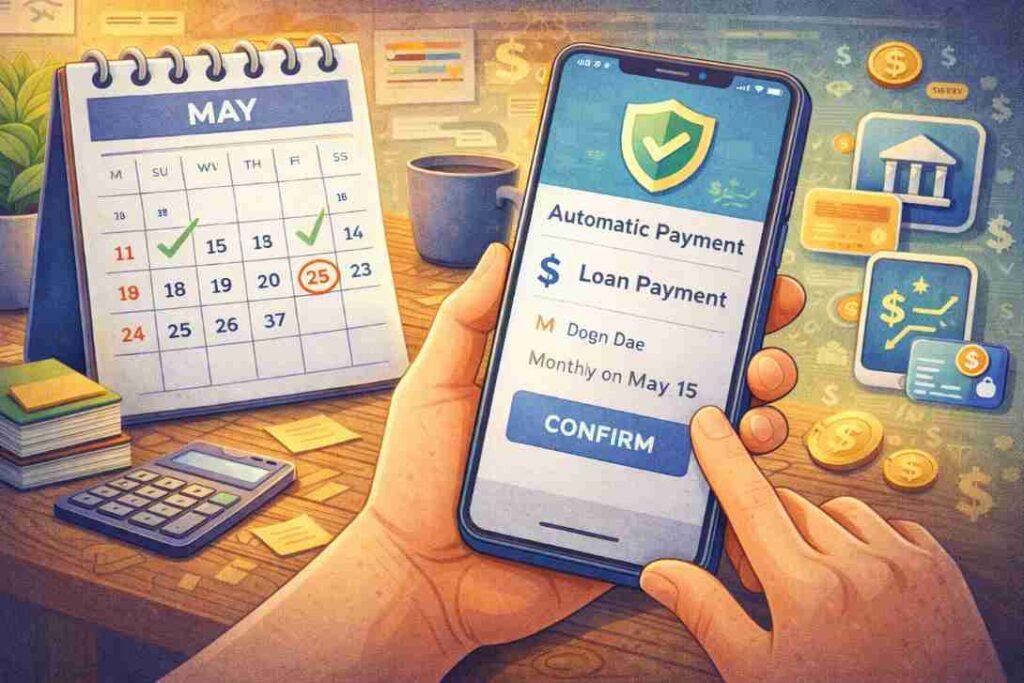
Securing the loan is only half the battle. Successfully repaying it builds your financial reputation for the future.
Set Up Automatic Payments
Missing a payment can severely damage your credit score. Setting up automatic transfers ensures you never miss a due date. many lenders even offer a small interest rate discount for borrowers who enroll in autopay.
Pay More When Possible
If your budget allows and your loan terms permit it, paying more than the minimum can reduce the principal balance faster. This strategy lowers the total amount of interest you pay over the life of the loan.
Conclusion
Navigating the loan process for the first time does not have to be intimidating. By preparing your finances, understanding your options, and reading the fine print, you can secure the funding you need on terms that work for you.
Take control of your financial future today by reviewing your credit report and researching your options before you sign on the dotted line.