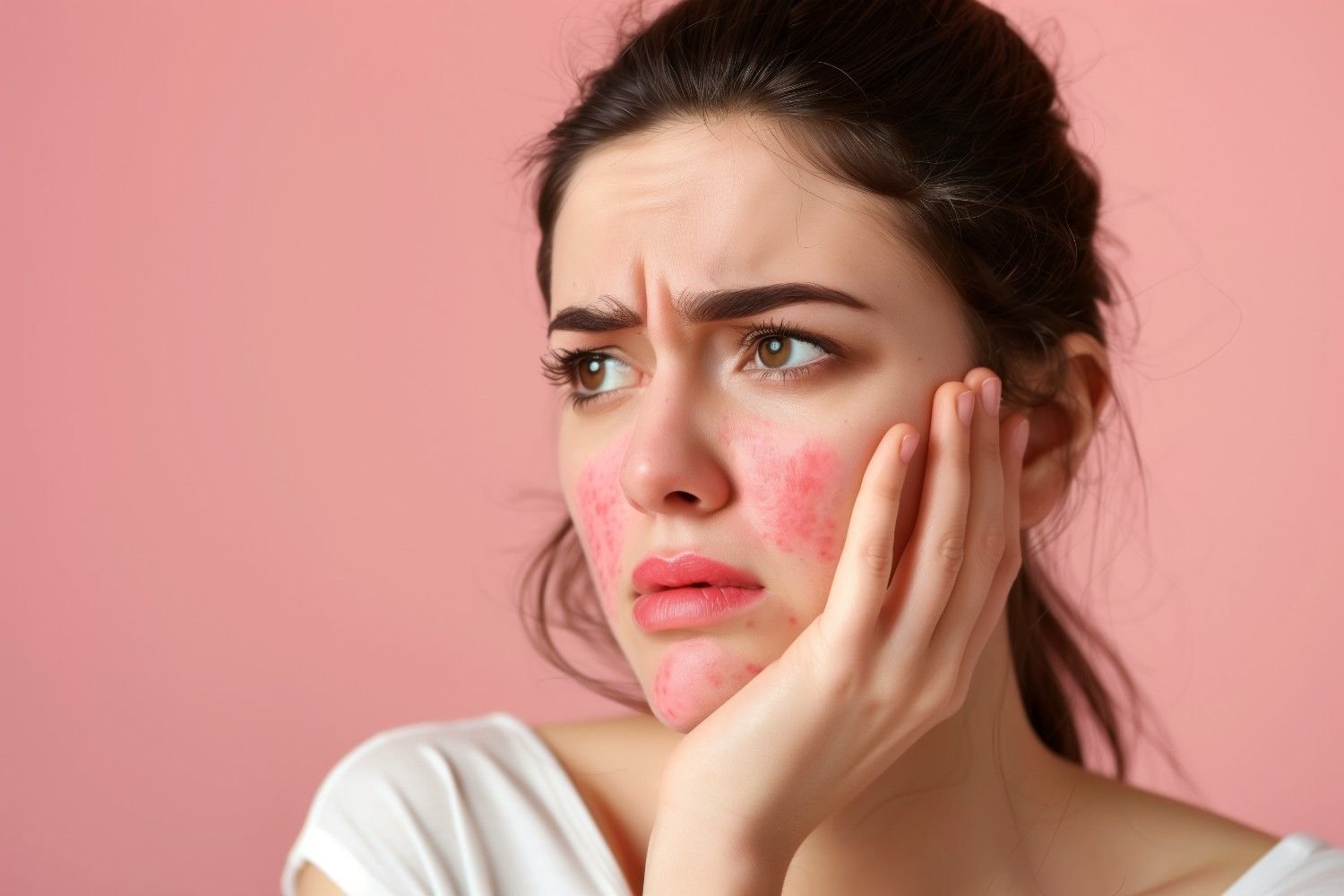
Many people find themselves dealing with stubborn blemishes that seem to appear at the same time every month. These breakouts, often located around the chin and jawline, are frequently tied to hormonal fluctuations. Unlike typical acne that might be caused by surface bacteria or clogged pores, hormonal breakouts are triggered by internal changes. Understanding the root cause of this specific type of acne is the first step toward managing it effectively.
This guide will explore the connection between hormones and your skin, explain why these breakouts occur, and provide practical strategies to help you regain control and achieve a clearer complexion.
Understanding the Hormonal Connection
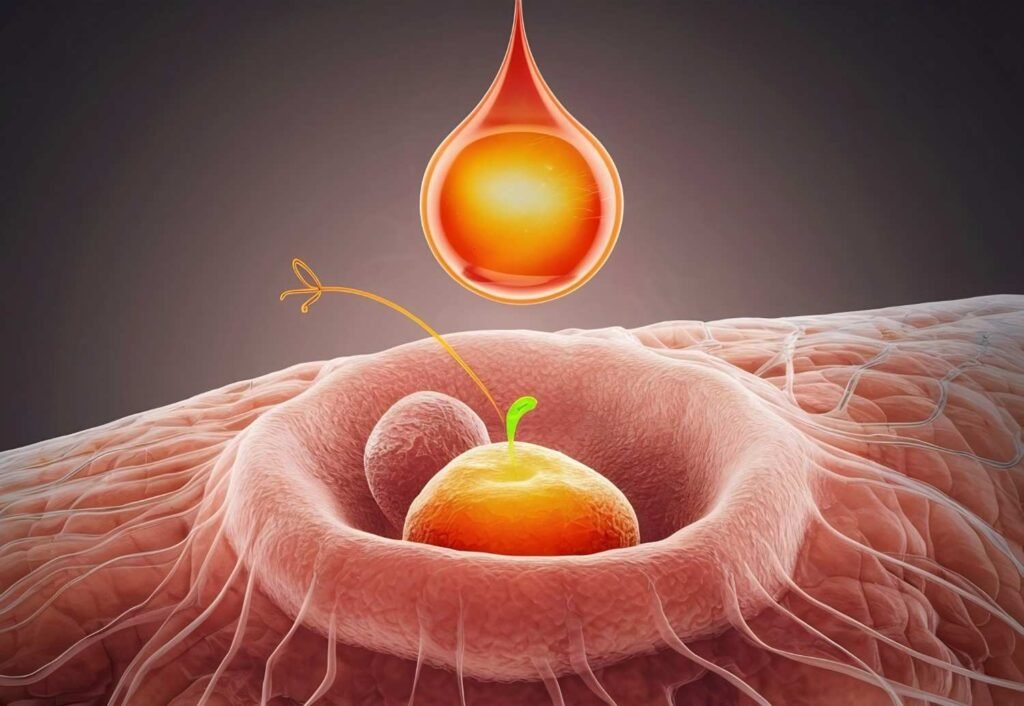
Hormones are chemical messengers that regulate many of your body’s processes, including skin health. When certain hormones fluctuate, they can trigger a chain reaction that leads to breakouts. Learning how hormone imbalance affects your health provides deeper insight into why acne may appear alongside other symptoms such as mood swings, fatigue, sleep disturbances, or weight changes.
Because hormones influence multiple systems in the body, even subtle shifts can impact oil production, inflammation levels, and skin sensitivity.
The Role of Androgens
Androgens are a group of hormones, including testosterone, that are present in all genders. These hormones play a crucial role in skin health by stimulating the sebaceous glands to produce sebum, the skin’s natural oil. When androgen levels rise, or when the skin becomes more sensitive to them, sebum production can go into overdrive. This excess oil can clog pores, creating the perfect environment for bacteria to thrive and inflammation to develop.
Common Triggers for Fluctuation

Several life stages and events can cause the hormonal shifts that lead to breakouts. These are most commonly associated with:
- The Menstrual Cycle: Many women experience breakouts a week or two before their period begins, when progesterone and estrogen levels drop and the effects of androgens become more pronounced.
- Puberty: The surge of hormones during adolescence is a well-known cause of acne.
- Pregnancy and Menopause: These major life transitions involve significant hormonal shifts that can impact skin clarity.
- Stress: When you are stressed, your body produces more cortisol. This stress hormone can also stimulate oil glands, leading to more breakouts.
Strategies for Managing Hormonal Breakouts
Tackling hormonal breakouts requires a consistent and multifaceted approach. Because the cause is internal, topical treatments are just one piece of the puzzle.
Consistent Skincare Routine
A gentle but effective skincare routine is fundamental. Avoid harsh scrubs or cleansers that can strip the skin of its natural moisture barrier, as this can worsen irritation and inflammation. Look for products with specific ingredients known to help manage acne.
- Salicylic Acid: This beta-hydroxy acid (BHA) exfoliates inside the pore, helping to clear out clogs and reduce inflammation.
- Benzoyl Peroxide: This ingredient works by killing acne-causing bacteria on the skin’s surface.
- Retinoids: Available over-the-counter or by prescription, retinoids increase skin cell turnover, which helps prevent pores from becoming clogged in the first place.
Lifestyle Adjustments

Your daily habits can have a significant impact on your hormonal balance and skin health. Making mindful choices can support your skincare efforts.
- Dietary Considerations: Some studies suggest a link between high-glycemic foods (like sugar and refined carbohydrates) and acne. Focusing on a balanced diet rich in whole foods, antioxidants, and anti-inflammatory fats may help regulate your skin from the inside out.
- Stress Management: Incorporating stress-reducing activities like yoga, meditation, exercise, or even simple breathing exercises can help lower cortisol levels and, in turn, reduce hormonally-driven breakouts.
- Adequate Sleep: Getting seven to nine hours of quality sleep each night is crucial for hormonal regulation and skin repair.
Professional Guidance
When at-home care is not enough, it may be time to consult a professional. A dermatologist or licensed esthetician can offer more advanced solutions tailored to your specific needs. They can assess your skin and determine the best course of action, which might include prescription medications, oral contraceptives to regulate hormones, or specialized procedures. For those in certain regions, seeking professional acne treatment in Salt Lake City or other metropolitan areas can provide access to specialists familiar with these challenges.
Managing hormonal breakouts can be a frustrating process, but it is not impossible. By combining a targeted skincare routine with supportive lifestyle choices and professional help when needed, you can effectively address the underlying causes and work toward clearer, healthier skin.