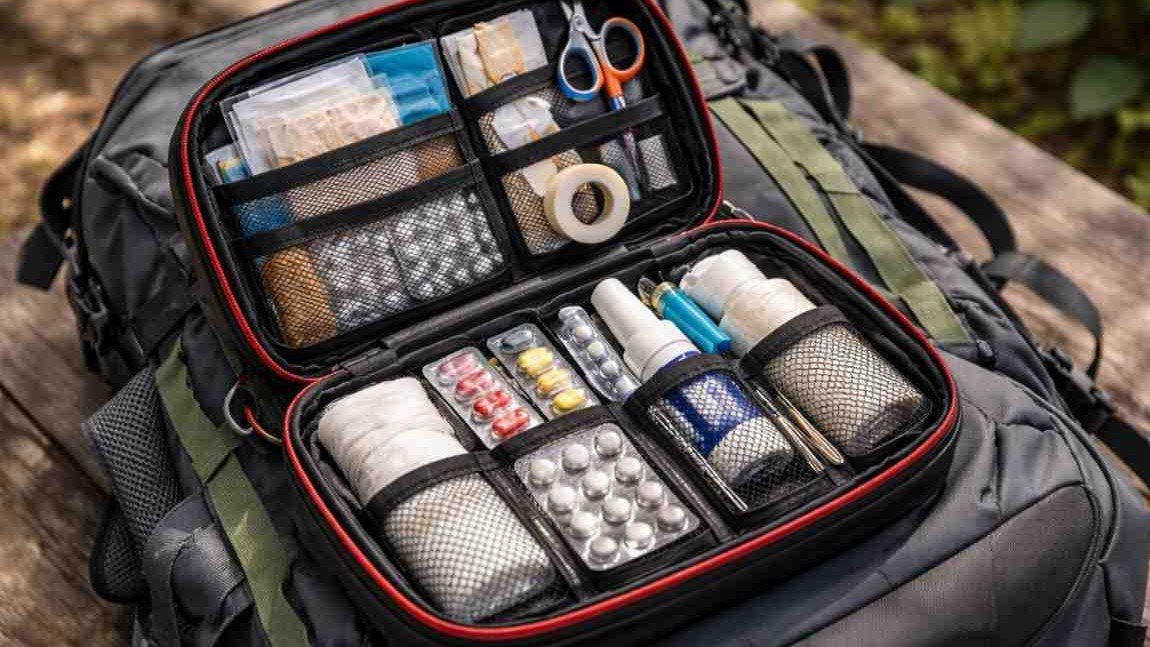
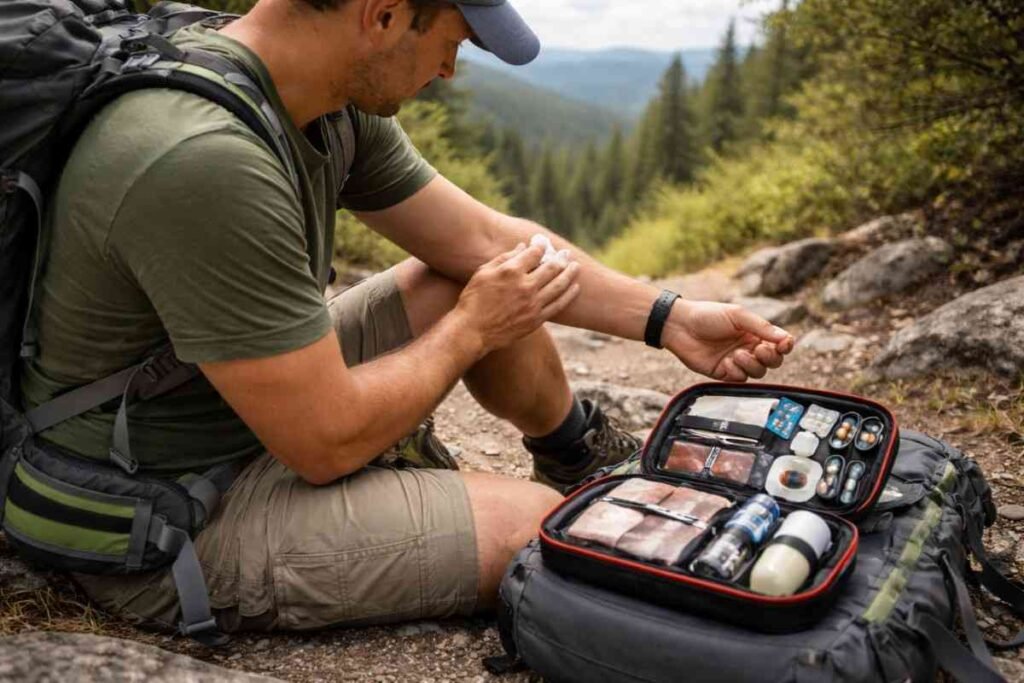
Me and my friends went out for a hiking trip and I still remember how I ignored packing a proper travel first aid kit when my mom insisted. Thinking I could manage without it. A simple headache and a minor cut turned into a frustrating experience because I had nothing on hand. Since then, I never travel without one. It is one of those small habits that makes a big difference in how smooth and stress-free your journey feels.
Why A Travel First Aid Kit Is Important
Being prepared while traveling is not about expecting emergencies. It is about staying comfortable and in control when small issues happen.
Small Health Issues Can Disrupt Travel
Minor problems like blisters, headaches, or stomach discomfort are common during trips. These issues may seem small, but they can quickly affect your mood and plans if you are not prepared.
Having a travel first aid kit ensures that you can handle these situations instantly without searching for help in unfamiliar places.
Helps You Stay Independent
When you carry your own supplies, you do not have to depend on local stores or clinics. This is especially helpful in remote areas or late-night situations when access is limited. It gives you confidence knowing that you can manage basic health needs wherever you are.
Travel First Aid Kit Core Supplies
The foundation of any travel first aid kit starts with essential items that handle common injuries and situations.
Wound Care Essentials
These items help you deal with cuts, scrapes, and small injuries that are common during travel.
Include adhesive bandages in different sizes, sterile gauze pads, and medical tape. Antiseptic wipes or sprays are also important to clean wounds properly and prevent infection. Keeping these items organized makes it easier to act quickly when needed.
Tools For Basic Care
Simple tools can make a big difference when managing minor health issues. Pack small rounded-tip scissors, tweezers for splinters or ticks, and a digital thermometer. Disposable latex-free gloves are also useful for maintaining hygiene while treating wounds. These tools help you handle situations more effectively without relying on external help.
Support And Protection Items
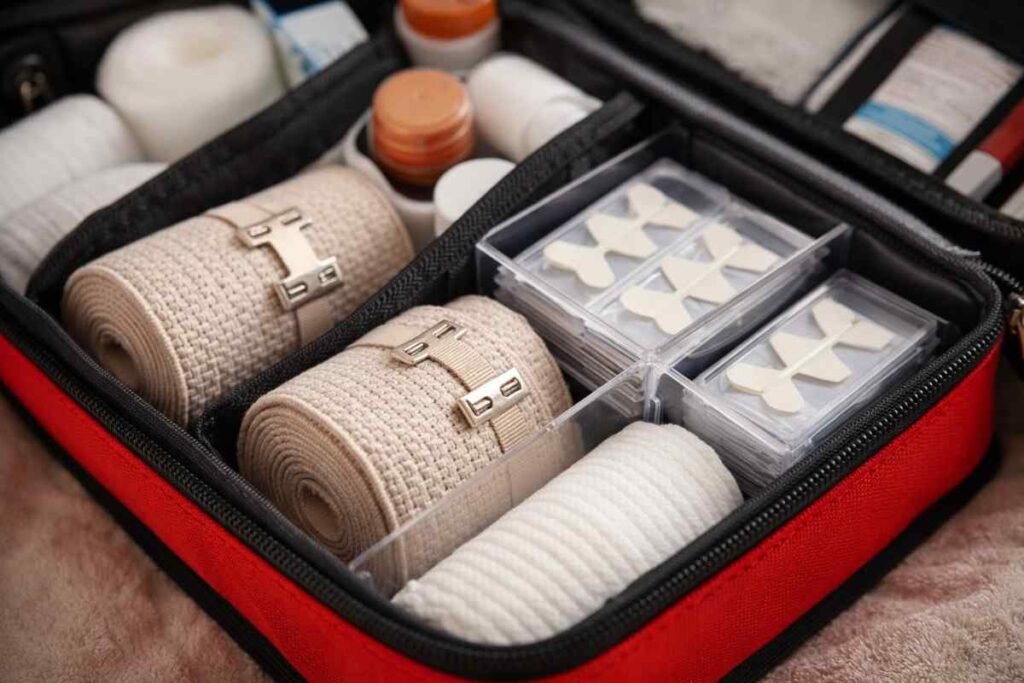
Support items are often overlooked but are very useful in certain situations. Elastic bandage wraps can help with sprains or muscle strain. Butterfly closures are helpful for securing deeper cuts before proper medical care is available. These additions make your travel first aid kit more complete and practical.
Travel First Aid Kit Essential Medications
Medications are one of the most important parts of your kit because they address common travel-related health issues.
Pain And Fever Relief
Travel can be physically demanding, which makes pain relief important. Carry medications like acetaminophen or ibuprofen to manage headaches, body aches, or fever. These are basic but highly effective in keeping you comfortable. They are especially useful during long flights or busy travel days.
Stomach And Digestive Care
Changes in food and water can often lead to stomach problems. Include antacids, anti-diarrheal medication, and oral rehydration salts. These help manage discomfort and restore your energy quickly if you feel unwell. Digestive care is one of the most commonly needed categories while traveling.
Skin And Allergy Protection
Skin issues and allergies can happen unexpectedly. Pack antibiotic ointment for minor wounds, hydrocortisone cream for rashes or insect bites, and antihistamines for allergic reactions. These items help you respond quickly to irritation or discomfort. They are especially useful in new environments where your body may react differently.
Travel-Specific Medications
Some medications are specifically useful during travel. Motion sickness and jet lag medicine is important for long journeys, especially if you are prone to nausea. Always carry your personal prescription medications in their original labeled containers. This ensures safety and avoids complications during travel checks.
Travel First Aid Kit Destination Extras
Your travel first aid kit should also adapt to where you are going and what you plan to do.
International And Remote Travel Items
Traveling to unfamiliar or remote locations requires extra preparation. Carry water purification tablets to ensure safe drinking water. Insect repellent with effective ingredients helps protect against bites, while high-SPF sunscreen protects your skin from sun exposure. These items are essential for maintaining health in different environments.
Outdoor And Adventure Additions
If your trip involves outdoor activities, your kit should reflect that. Include moleskin for preventing blisters during long walks or hikes. An emergency space blanket can help retain body heat in unexpected situations. A whistle is also useful for safety, especially during trekking or remote exploration.
Personalized Additions
Your personal needs should always guide your packing decisions. If you have specific health conditions or sensitivities, include items that support those needs. It is also helpful to carry copies of prescriptions and basic medical information. A personalized approach makes your travel first aid kit truly effective.
How To Build Your Own Travel First Aid Kit
Building a travel first aid kit is simple when you focus on practicality and organization.
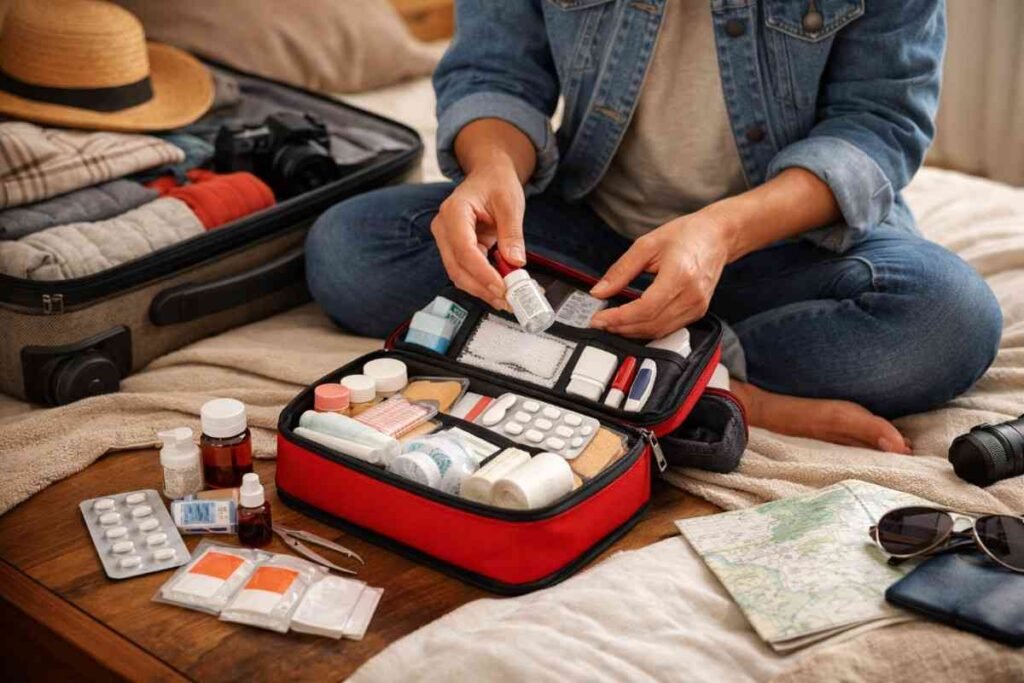
Start by selecting a compact and durable pouch that fits easily into your bag. Think about the most common health issues you might face during your trip and include items that address those situations. Focus on essentials rather than packing everything you can think of.
Next, organize your supplies so that they are easy to access when needed. Group similar items together and avoid clutter. A well-organized kit saves time and reduces stress when you need to use it quickly.
Finally, review your kit before every trip. Check expiration dates, replace used items, and adjust based on your destination and activities. This step ensures that your travel first aid kit remains useful and relevant for every journey.
Smart Tips For Using Your Travel First Aid Kit
Packing is only part of the process. Using your kit effectively matters just as much.
Keep It Easy To Access
Your kit should always be within reach during travel. Keeping it in your carry-on bag or an easily accessible compartment ensures that you can use it whenever needed without delay.
Avoid Overpacking
It is easy to add too many items, but this can make your kit bulky and less practical. Focus on versatile essentials that serve multiple purposes instead of packing unnecessary extras.
Update It Regularly
Your needs change depending on the trip, so your kit should too. Before every journey, take a few minutes to review and update your supplies to match your destination and travel plans.
Frequently Asked Questions
1. What Should A Travel First Aid Kit Include?
A travel first aid kit should include wound care supplies, essential medications, basic tools, and personal prescriptions based on your needs and destination.
2. Can I Carry A Travel First Aid Kit On Flights?
Yes, you can carry it in your luggage, but follow airline rules for liquids and sharp objects. Keep important medications in your carry-on bag.
3. How Do I Customize A Travel First Aid Kit?
Customize it based on your destination, activities, and personal health needs to ensure it is practical and useful.
4. Is A Travel First Aid Kit Necessary For Short Trips?
Yes, even short trips can involve minor health issues, so carrying a basic kit is always a smart choice.
Stay Safe During Your Travel
A well-prepared travel first aid kit is one of the easiest ways to make your trips safer and more comfortable. It helps you handle small problems quickly and keeps your plans on track without unnecessary stress. Once you start carrying one regularly, it becomes a natural part of your routine because being prepared always makes travel more enjoyable.