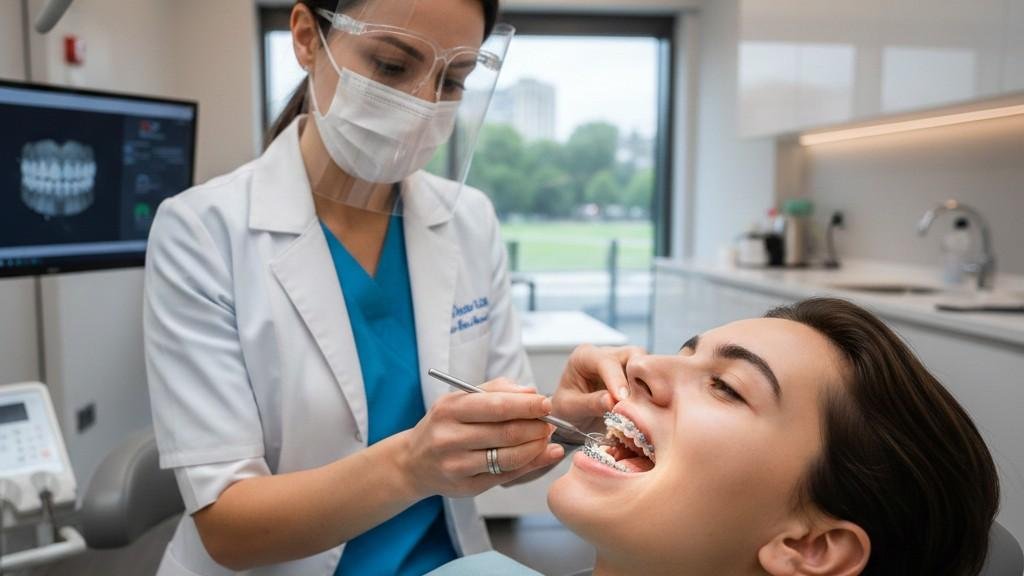
When most people think about orthodontic problems, they picture slightly crooked teeth or minor spacing issues. But severe malocclusions go far beyond cosmetic concerns. These complex bite problems can affect oral health, jaw function, speech, and even overall well-being. Understanding the causes, symptoms, and treatment options is essential for anyone facing significant alignment issues.
What Is a Severe Malocclusion?
A malocclusion simply means a misalignment between the upper and lower teeth when the jaws are closed. Severe malocclusions occur when this misalignment is pronounced enough to interfere with normal function or facial balance.
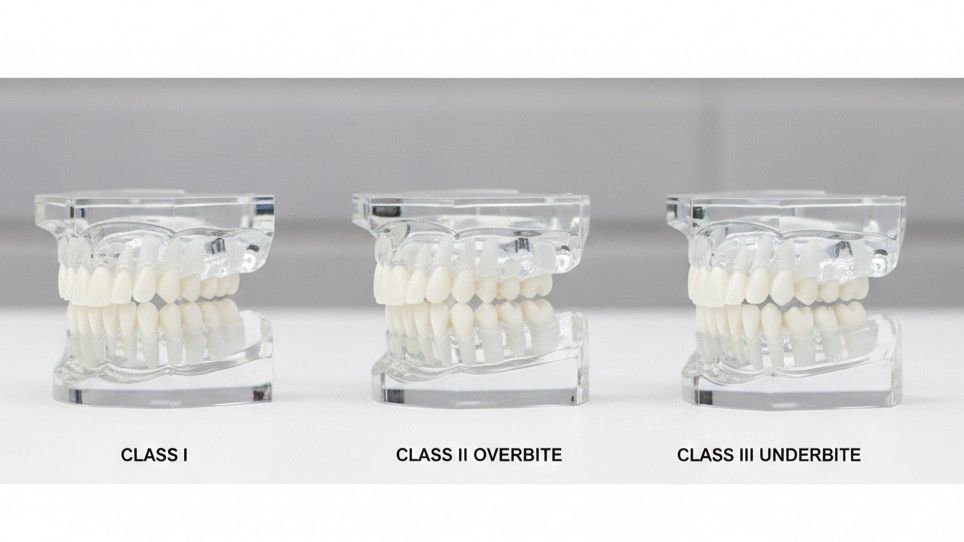
Orthodontists often classify malocclusions into three major categories:
- Class I: Mild crowding or spacing with generally normal bite alignment
- Class II: Overbite, where the upper teeth significantly overlap the lower teeth
- Class III: Underbite, where the lower teeth extend beyond the upper teeth
In severe cases—especially advanced Class II or Class III patterns—the issue may involve not just the teeth, but also the underlying jaw structure. This can require comprehensive and sometimes multidisciplinary treatment.
What Causes Severe Malocclusions?
Several factors can contribute to the development of severe malocclusions:
Genetics
Jaw size, tooth size, and facial structure are often inherited. If parents have significant bite issues, their children may be more likely to experience similar problems.
Early Childhood Habits
Prolonged thumb sucking, pacifier use, or tongue thrusting can influence jaw and dental development, particularly if habits persist beyond early childhood.
Premature Tooth Loss
Losing baby teeth too early due to decay or trauma may allow neighboring teeth to shift, creating crowding or alignment problems.
Trauma or Injury
Facial injuries can alter jaw alignment and contribute to severe bite discrepancies.
Developmental Irregularities
Some individuals experience uneven jaw growth, leading to structural imbalances that cannot be corrected with minor orthodontic adjustments alone.
Signs and Symptoms to Watch For
Severe malocclusions often present with more than just visible misalignment. Warning signs may include:
- Difficulty chewing or biting
- Frequent jaw pain or clicking
- Speech challenges
- Mouth breathing
- Chronic headaches
- Excessive tooth wear
- Facial asymmetry
In some cases, patients may also experience temporomandibular joint (TMJ) discomfort due to the strain placed on the jaw.
Why Severe Malocclusions Shouldn’t Be Ignored
Many people assume orthodontic treatment is purely cosmetic. However, untreated severe malocclusions can lead to long-term complications.
Increased Risk of Tooth Damage
Misaligned teeth can wear unevenly, chip, or crack over time due to improper bite forces.
Gum Disease and Decay
Crowded or overlapping teeth are harder to clean effectively, increasing the risk of plaque buildup, cavities, and periodontal disease.
Jaw Disorders
When the bite is significantly off, the jaw muscles and joints must compensate, potentially leading to chronic pain or TMJ disorders.
Reduced Quality of Life
Beyond physical health, severe malocclusions can impact self-esteem and social confidence, especially in adolescents and young adults.
Treatment Options for Severe Malocclusions
The treatment approach depends on the severity of the case and whether the problem is dental, skeletal, or both.
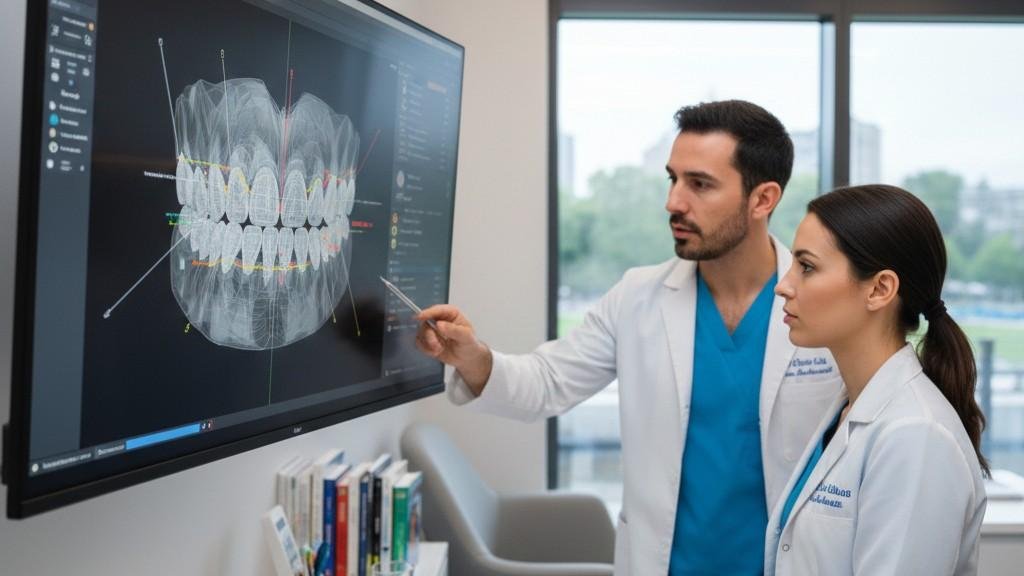
Comprehensive Orthodontic Treatment
Braces or clear aligners may be used to gradually move teeth into proper alignment. In complex cases, precise placement of brackets is critical, and techniques such as digital indirect bonding can enhance accuracy and efficiency during the setup process.
Growth Modification (For Children and Teens)
When diagnosed early, orthodontic appliances may help guide jaw growth and prevent worsening skeletal discrepancies.
Tooth Extractions
In cases of extreme crowding, removing specific teeth may create the space needed to achieve proper alignment.
Orthognathic (Jaw) Surgery
For severe skeletal malocclusions in adults, orthodontic treatment alone may not be sufficient. Orthognathic surgery repositions the jaw to create proper function and facial balance. This option is typically reserved for the most complex cases and involves close collaboration between an orthodontist and an oral surgeon.
The Importance of Early Evaluation
The American Association of Orthodontists recommends that children have their first orthodontic evaluation around age seven. Early screening allows professionals to detect potential jaw growth issues and intervene before problems become severe.
However, it’s never too late for treatment. Many adults successfully correct severe malocclusions with comprehensive orthodontic care, sometimes combined with surgical intervention.
Looking Beyond Aesthetics
Severe malocclusions are more than crooked teeth. They represent functional challenges that can influence everything from chewing efficiency to jaw comfort and long-term oral health.
If you or your child are experiencing symptoms such as jaw pain, difficulty chewing, or noticeable bite irregularities, seek immediate dental care or professional evaluation is the first step toward a healthier, more balanced smile.
With today’s advanced diagnostic tools and treatment techniques, even the most complex cases can be addressed effectively. By understanding the full scope of severe malocclusions, patients can make informed decisions that protect both their oral health and overall well-being for years to come.