Dental issues rarely follow a convenient schedule. While some problems can wait a day or two, others require immediate attention to prevent severe pain, infection, or permanent damage. Knowing when to act can save a tooth, reduce complications, and protect your overall health. This guide outlines the most common dental emergencies and explains why a quick response is essential.
Severe Tooth Pain That Does Not Go Away
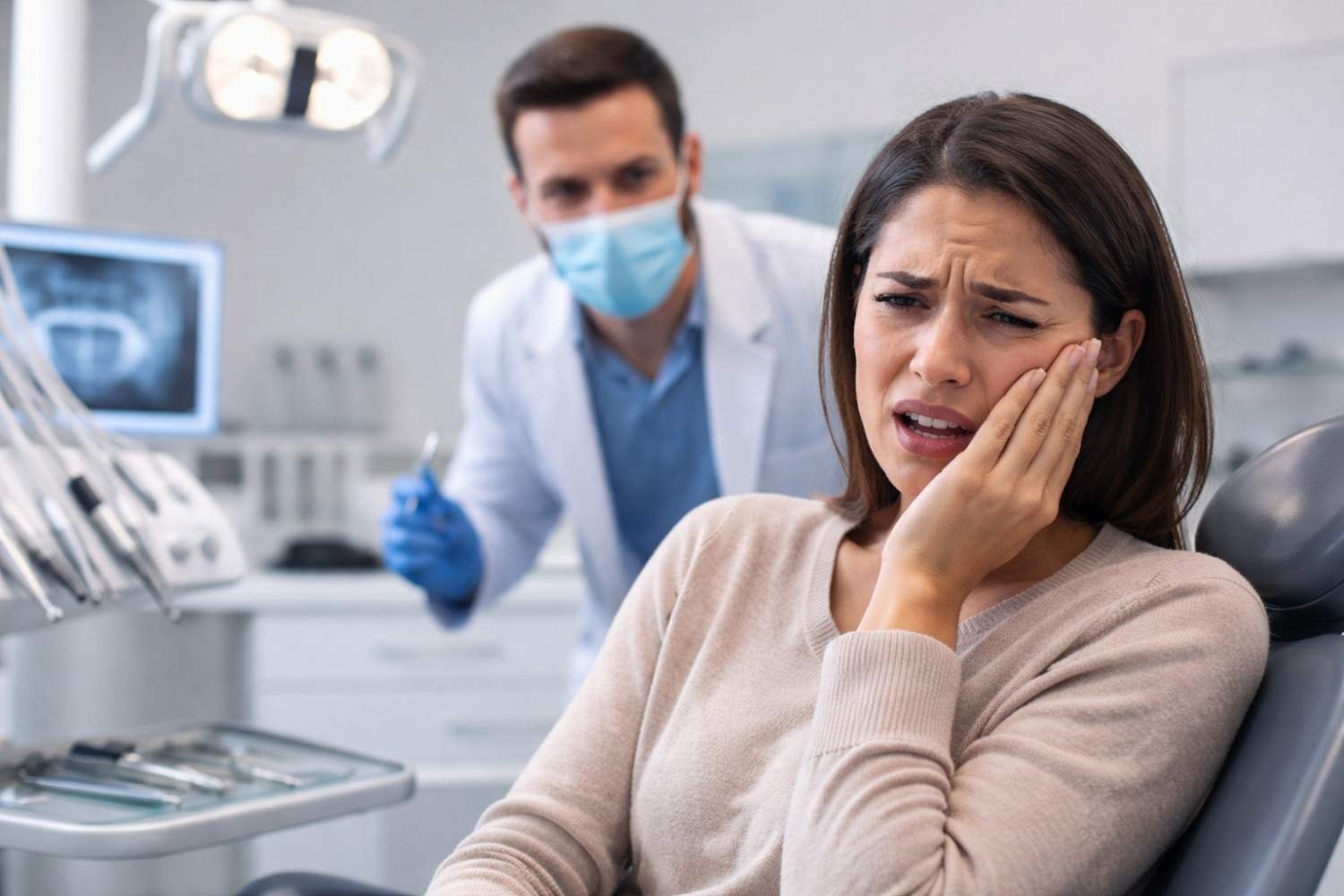
If you have persistent or intense tooth pain, it’s a sign that something is wrong. While occasional sensitivity is normal, pain that worsens, throbs, or keeps you up at night needs professional attention. This type of pain often points to an infection, abscess, or nerve damage. If the pain spreads to your jaw, ear, or neck, or if you have a fever or swelling, the issue could be serious. Seeking immediate care can relieve your pain and prevent complications. Ignoring severe tooth pain usually leads to more complex and expensive treatments later on.
Swelling in the Mouth, Face, or Jaw

Swelling in your gums, cheeks, or jaw is a warning sign that requires immediate attention. Often accompanied by warmth or tenderness, it usually indicates an infection that can worsen rapidly. If left untreated, oral infections can spread to other parts of the body, posing serious health risks. If you experience difficulty breathing, swallowing, or opening your mouth, seek emergency care immediately. Addressing swelling early allows for faster infection control and prevents more severe complications.
Knocked-Out or Loose Teeth
A knocked-out or loose tooth is a serious dental emergency that requires immediate attention. If a tooth is knocked out or displaced by trauma, acting quickly is critical to saving it. While a loose tooth is normal for a child, it is not for an adult and usually indicates damage to its supporting structures. Even if you feel minimal pain, you should seek urgent care to stabilize the tooth and prevent permanent loss. Prompt action increases the chances of preserving your natural tooth and maintaining your smile.
Broken, Cracked, or Chipped Teeth With Pain

While not all chipped teeth are emergencies, you should seek immediate care if the damage causes pain, bleeding, or leaves sharp edges. A cracked or broken tooth can expose the inner layers, increasing the risk of infection and sensitivity. Pain when biting or sensitivity to temperature could indicate deeper damage that can worsen over time. Getting timely treatment will protect the tooth and reduce your discomfort.
Bleeding That Will Not Stop
Occasional minor gum bleeding is common, but persistent bleeding that doesn’t stop with gentle pressure is a cause for concern. It may result from an injury, dental procedure, or gum infection. Uncontrolled bleeding could indicate tissue damage or an underlying condition requiring immediate attention. Timely evaluation is essential to identify the cause and address the issue safely. Don’t ignore persistent bleeding, especially if it’s accompanied by pain or swelling.
Signs of Infection or Abscess
A dental abscess is an infection that forms near a tooth root or in the gums. Key symptoms include severe pain, swelling, a persistent bad taste, or visible pus. Left untreated, infections can spread rapidly, posing serious health risks. Signs of progression include fever, fatigue, or facial swelling. Immediate dental care is necessary to manage the infection and prevent complications.
Lost Fillings or Crowns Causing Discomfort

A lost filling or crown isn’t always an emergency, but it requires urgent care if it causes pain or leaves the tooth exposed. Without protection, a tooth is highly vulnerable to further damage and infection. Sensitivity to temperature or pressure is a clear sign you need a dentist. While temporary fixes can offer short-term relief, professional restoration is necessary to protect the tooth and prevent more costly complications.
Why Acting Quickly Makes a Difference
Dental emergencies aren’t just about pain relief. Early treatment often leads to simpler procedures, faster recovery, and better outcomes. Delaying care can escalate a manageable issue into a complex problem, affecting both your oral and overall health. For residents seeking an emergency dentist in South Jordan, understanding when to seek immediate care is key to protecting your smile and avoiding complications. Prompt action ensures better long-term dental health and gives you peace of mind.
Staying Prepared for Dental Emergencies
Recognizing warning signs allows you to respond calmly and effectively. Keep a basic dental first aid kit at home and identify a local urgent care provider before you need one. Being prepared reduces panic and helps you make informed decisions under pressure. Since dental emergencies can happen to anyone, knowing when to seek professional help empowers you to act with confidence.
Conclusion
Immediate dental care is crucial when dealing with pain, swelling, injury, or infection. Identifying the signs early can prevent serious damage and protect your overall health. Staying informed about dental emergencies ensures you can act quickly to safeguard your oral health when it matters most.