
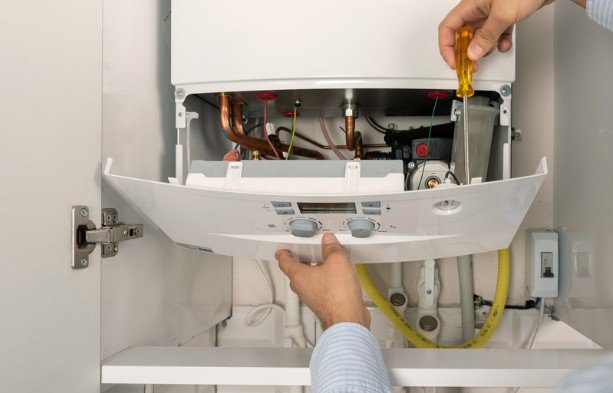
Winter brings beautiful snowy landscapes and cozy evenings indoors, but it also introduces severe weather conditions that can wreak havoc on your home. Dropping temperatures, heavy snowfall, and ice accumulation can lead to burst pipes, failing heating systems, and severe roof damage.
Preparing your house for these extremes is not just about comfort; it is a vital financial strategy. By taking proactive measures before the deep freeze sets in, you can protect your property and keep your savings intact. This guide outlines nine actionable steps to fortify your home against winter’s worst, helping you avoid the stress and financial burden of unexpected repairs.
1. Insulate Vulnerable Pipes
Frozen pipes are one of the most common and disastrous winter emergencies. When water freezes, it expands, causing pipes to crack or burst entirely. A single burst pipe can release hundreds of gallons of water per hour, leading to extensive structural damage and thousands of dollars in remediation costs.
To prevent this, identify pipes located in unheated areas such as basements, crawl spaces, and garages. Wrap these exposed pipes with foam pipe insulation or fiberglass sleeves. As an actionable tip, keep your interior thermostat set to at least 55 degrees Fahrenheit, even when you leave town, to ensure the ambient heat keeps water flowing smoothly.
2. Schedule Professional HVAC Maintenance
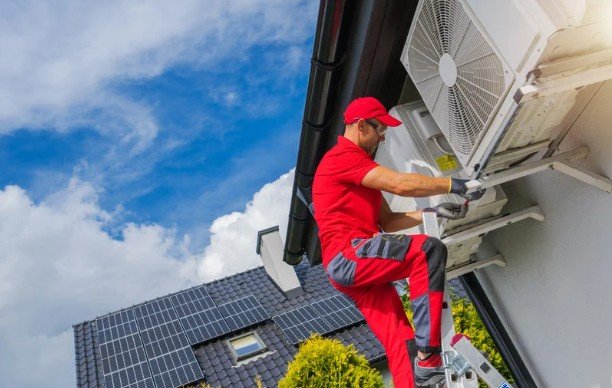
Your heating system works overtime during the winter months. If it fails on the coldest night of the year, emergency repair bills can be exorbitant. Regular maintenance improves a furnace’s efficiency by up to 15%, reducing wear and tear on the unit.
Before the heavy cold arrives, hire a licensed technician to inspect the heat exchanger, test the thermostat, and lubricate moving parts. In the meantime, remember to replace your HVAC filters every 30 to 90 days. A clogged filter restricts airflow, forcing the system to work harder and increasing the likelihood of a mechanical breakdown.
3. Clear Gutters and Downspouts
Falling autumn leaves often leave gutters clogged with debris by the time winter rolls around. When gutters are blocked, melting snow has nowhere to go.
The trapped water eventually freezes, causing the metal to warp or tear away from the fascia board under the heavy weight of the ice. Grab a sturdy ladder and physically remove leaves, twigs, and dirt from your gutter system. Once cleared, flush the downspouts with a garden hose to ensure water flows freely away from your home’s foundation.
4. Implement Proper Attic Ventilation
Many homeowners mistakenly believe that a warm attic is a good thing during the winter. In reality, a warm attic causes the snow on your roof to melt, which then runs down to the colder eaves and refreezes, forming destructive ice dams. Adequate attic ventilation ensures that the roof surface remains cold.
If your soffit vents are blocked by dirt or insulation, clean them out or install air chutes at the eaves. Effective ventilation is a critical component of roof icicle prevention in Utah and other snowy climates, where poor roof design often leads to extensive water damage.
5. Seal Attic Air Leaks
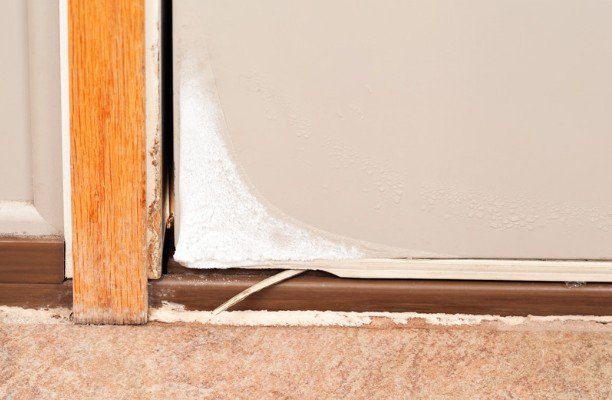
Attic air bypasses are hidden passageways where warmed indoor air escapes into your cold attic space. These leaks are the primary culprits behind snowmelt that leads to ice dams. Standard fiberglass insulation will not stop this warm air from moving upward.
To combat this, you need to locate the air leaks—often found around recessed lighting, plumbing stacks, and chimney chases—and seal them using expanding foam or caulk. Sealing these gaps not only protects your roof from ice accumulation but also drastically lowers your monthly heating bills.
6. Upgrade Your Attic Insulation
The current minimum requirement for new homes in colder climates often ranges from R-49 to R-60 in the attic, which translates to roughly 20 inches of loose-fill fiberglass. Check your attic to see if your insulation is worn down, compressed, or missing in certain spots, and add more layers as needed to maintain a solid thermal barrier.
7. Safely Remove Roof Snow
When massive amounts of snow accumulate on your roof, the sheer weight can threaten the structural integrity of your home. Furthermore, clearing the snow prevents the melting and freezing cycles that destroy shingles. Pulling snow off the roof with a roof rake is a safe and effective way to keep your home protected.
Raking just the first few feet of snow from the eaves is typically enough to expose the shingles to the sun, allowing the sunlight to warm the roof and prevent ice from accumulating. Always keep your rake safely away from overhead power lines.
8. Trim Overhanging Tree Branches

Heavy snow and ice accumulation can add tremendous weight to the branches of trees surrounding your property. If a dead or weak branch snaps under this pressure, it can crash through a window, damage your siding, or puncture your roof. Walk around your property and identify any limbs that hang directly over your house or driveway. Hire a professional arborist to prune these branches back safely before the first major winter storm hits.
9. Consider Electric De-Icing Cables
If you have addressed ventilation and insulation but still struggle with water pooling and freezing at your eaves, installing heat cables can be a highly effective failsafe. While roof de-icing cables should generally be considered a last resort due to installation and operational costs, they are incredibly efficient at keeping water flowing. Operating at around five to eight watts per foot, these cables melt precise channels through the ice, ensuring that runoff water can safely reach the gutters without backing up under your roof shingles.
Protecting your home from the ravages of winter requires a blend of routine maintenance and targeted upgrades. By focusing on everything from pipe insulation to strategic roof care, you create a robust defense against freezing temperatures. Taking the time to execute these nine steps will give you peace of mind, knowing your property is safe from costly, weather-related damage all season long.