
Your home is supposed to be a safe, comfortable sanctuary. Unfortunately, insects and rodents often see it the exact same way. These tiny invaders are constantly looking for shelter, warmth, and reliable food sources. Once they find a way inside, they can multiply rapidly, turning a minor nuisance into a major infestation before you even realize what is happening.
The key to keeping your living space safe and structurally sound is early detection. Pests are naturally stealthy. They hide in dark corners, scurry inside walls, and mostly come out at night. Because they are so good at staying out of sight, you have to look for the subtle clues they leave behind.
Understanding these physical indicators can save you from severe property damage and potential health hazards. Here are seven unmistakable signs that you might be sharing your home with unwanted guests.
1. Droppings and Urine Odors
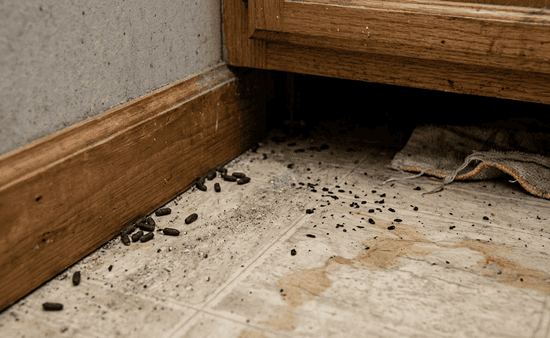
One of the most common and obvious indicators of an infestation is the presence of pest droppings. Different animals leave behind different types of waste. Mice and rats leave small, dark, pellet-like droppings along baseboards, inside pantries, and behind large appliances. Cockroach droppings look like small black specks, similar to ground black pepper.
Alongside droppings, you might notice a distinct, unpleasant odor. Rodent urine has a strong, musky, ammonia-like smell that becomes more intense as the population grows. If a specific room or cabinet constantly smells stale or foul despite regular cleaning, pests are likely the cause.
2. Unexplained Property Damage
Pests can cause surprising amounts of damage to a house. Rodents, for instance, have teeth that never stop growing. They need to chew constantly to keep their incisors filed down. This means they will gnaw on almost anything they find, including wooden support beams, drywall, plastic pipes, and electrical wiring. Finding bite marks on furniture or frayed wires is a massive red flag.
Insects cause their own distinct types of damage. Termites quietly consume wood from the inside out, often leaving behind hollow-sounding floorboards or blistered, peeling paint. Clothes moths and silverfish will chew small holes through your favorite sweaters, blankets, and upholstery.
3. Strange Noises in the Walls
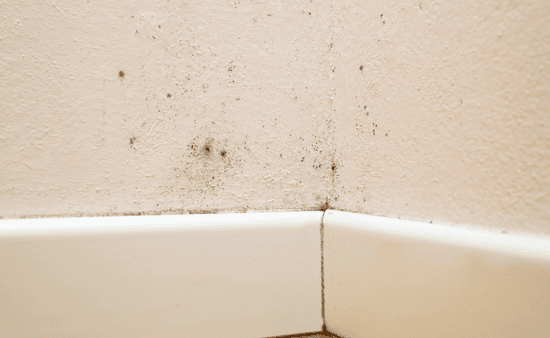
A quiet house can reveal a lot about what is hiding inside the walls and ceilings. Many pests are nocturnal, meaning you are most likely to hear them at night when the rest of the house is still.
Listen closely for scratching, scurrying, or rustling sounds coming from the attic, basement, or inside the drywall. Mice and rats often make scurrying noises as they travel through wall voids. Larger pests like raccoons or squirrels might sound like heavy thumping or pacing above your ceiling. Even carpenter ants can produce a faint, dry rustling noise as they excavate wood to build their nests.
4. Nesting Materials Found
Rodents need soft materials to build warm, safe nests for their offspring. They will gather anything they can find, shredding items up and hauling them off to hidden corners.
If you start finding shredded paper, torn fabric, missing insulation, or chewed-up cardboard boxes, pests are likely setting up a permanent residence. Nests are typically tucked away in dark, undisturbed areas. Be sure to check behind large appliances, deep inside storage closets, and in the far corners of your attic or crawlspace.
5. Unusual Pet Behavior
Your cats and dogs have senses of smell and hearing that are far superior to yours. They will often detect a pest problem long before any physical evidence appears.
Pay attention to how your pets are acting. If your dog is constantly sniffing a specific section of the wall, or your cat is intensely watching a gap under the refrigerator, they might be tracking a hidden pest. Pets may also whine, bark, or paw at areas where rodents or insects are hiding.
6. Grease Marks and Tracks
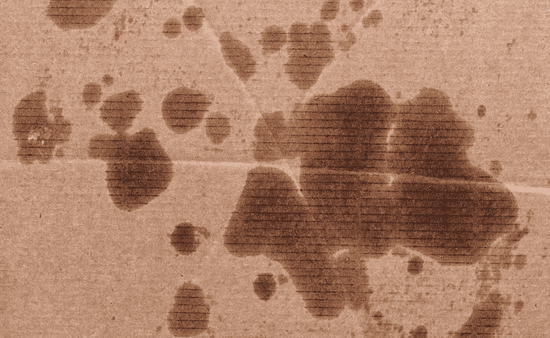
Rodents are creatures of habit. They tend to travel the exact same routes every single day as they move between their nests and their food sources. Over time, the dirt and oil from their fur rub off on the surfaces they touch.
Look closely at the bottom edges of your walls and baseboards. You might notice dark, greasy smudges left behind by mice or rats. In dusty areas like basements or attics, you can also look for tiny footprints or tail drag marks on the floor.
7. Changes in Your Yard
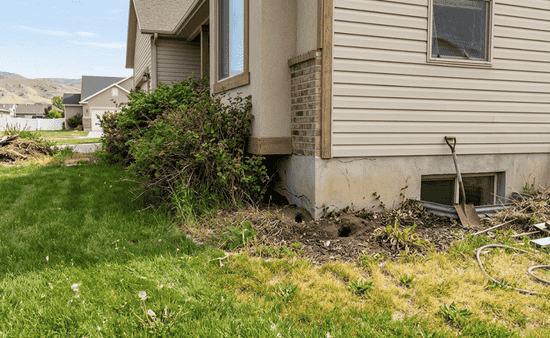
Sometimes, a pest problem begins just outside your front door. The condition of your property can attract insects and rodents, which eventually find their way indoors. Maintaining a healthy yard is a critical part of preventing pests from entering your home.
If you notice dead patches of grass, sudden influxes of weeds, or burrow holes in the dirt, pests might be living right outside. Sometimes, basic upkeep is enough to deter them, which is why routine lawn maintenance in Logan can be highly beneficial for keeping these outdoor areas clear of unwanted visitors.
Keeping shrubs trimmed away from the house and removing standing water will also drastically reduce the likelihood of pests crossing the threshold.
Protecting Your Living Space
Detecting pests early prevents minor issues from escalating into severe, expensive infestations. By paying close attention to these seven signs, you can maintain a cleaner, safer living environment. Keep a watchful eye out for droppings, listen for odd noises at night, and monitor any strange damage around the property. Staying observant is the absolute best way to keep your home pest-free.