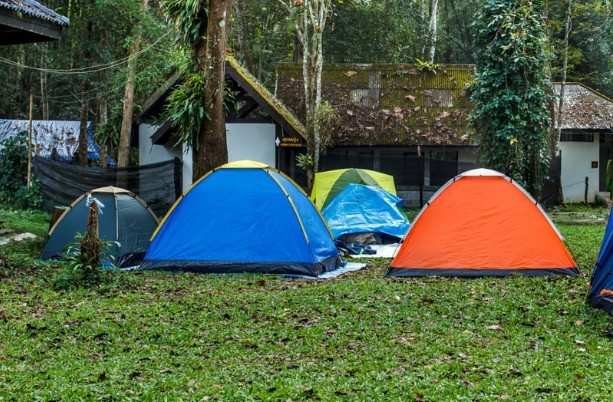
Investing in an existing campground can be an exciting and profitable venture, especially as outdoor travel continues to grow in popularity. Unlike starting from scratch, purchasing an established campground offers immediate cash flow, existing infrastructure, and a built-in customer base. However, like any investment, it requires careful evaluation and strategic planning to ensure long-term success.
Why Buy an Existing Campground?
One of the biggest advantages of buying an existing campground is that much of the groundwork has already been done. Utilities, permits, facilities, and branding are typically in place, saving you both time and money. You also gain access to historical financial records, which can provide insight into revenue trends, seasonal patterns, and operational costs.
Additionally, an established campground often comes with loyal customers and online reviews, giving you a head start in marketing and reputation management.
Conduct Thorough Due Diligence
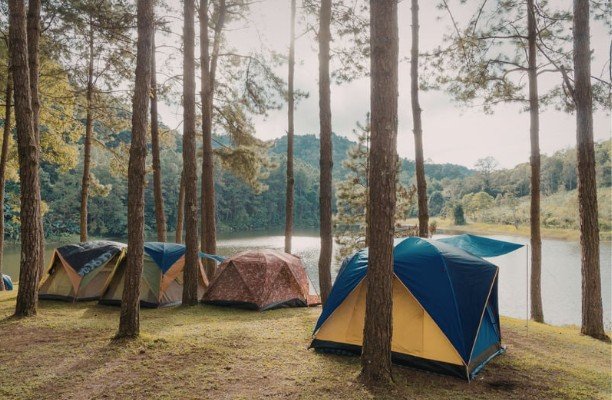
Before making any purchase, due diligence is essential. Start by reviewing at least three years of financial statements, including income, expenses, and occupancy rates. Look for consistency and identify any red flags, such as declining revenue or unusually high maintenance costs.
You should also evaluate the physical condition of the property. Inspect campsites, restrooms, hookups, roads, and common areas. Deferred maintenance can quickly turn into expensive repairs, so it’s important to understand what upgrades may be needed.
Don’t forget to verify zoning regulations and permits. Ensure the campground complies with local laws and that there are no restrictions that could limit future expansion or improvements—even if your goal is to start a business as a kid.
Location Matters More Than You Think
A campground’s success is heavily influenced by its location. Proximity to popular attractions such as national parks, lakes, hiking trails, or tourist destinations can significantly boost occupancy rates. Accessibility is also key—campgrounds that are easy to reach by major roads or highways tend to attract more visitors.
Consider the surrounding competition as well. While some competition can indicate strong demand, too many nearby campgrounds may make it harder to stand out.
Understand the Customer Base
Knowing who your customers are—and why they visit—is critical. Are they families looking for weekend getaways, retirees traveling in RVs, or adventure seekers? Understanding your audience helps you tailor amenities and services to meet their expectations.
For example, family-oriented campgrounds may benefit from playgrounds and organized activities, while RV travelers might prioritize full hookups and reliable Wi-Fi. Identifying these preferences allows you to enhance the guest experience and increase repeat visits.
Evaluate Income Potential
Beyond current earnings, consider the campground’s growth potential. Are there opportunities to increase rates, add more campsites, or introduce new amenities such as cabins, glamping tents, or recreational facilities?
You can also explore additional revenue streams like equipment rentals, camp stores, or guided tours. Small improvements can make a significant difference in profitability over time.
Financing Your Purchase
Buying a campground is a significant financial commitment, but there are several financing options available. Traditional bank loans, private lenders, and specialized programs can help fund your investment. For many buyers, campground SBA lending provides an accessible path to ownership, offering favorable terms and lower down payment requirements compared to conventional loans.
Before securing financing, ensure you have a solid business plan that outlines your strategy for maintaining and growing the campground’s profitability.
Plan for Operations and Management
Running a campground is a hands-on business that requires strong management skills. From guest services to maintenance and marketing, there are many moving parts to oversee. Decide early on whether you will manage the property yourself or hire a team.
Customer service plays a huge role in success. Positive guest experiences lead to strong reviews, repeat business, and word-of-mouth referrals. Investing in staff training and efficient systems can help streamline operations and improve overall satisfaction.
Final Thoughts
Buying an existing campground can be a rewarding investment, offering both financial returns and a unique lifestyle opportunity. However, success depends on careful research, smart financial planning, and a clear vision for the future.
By conducting thorough due diligence, understanding your market, and identifying growth opportunities, you can turn an established campground into a thriving and profitable business.