
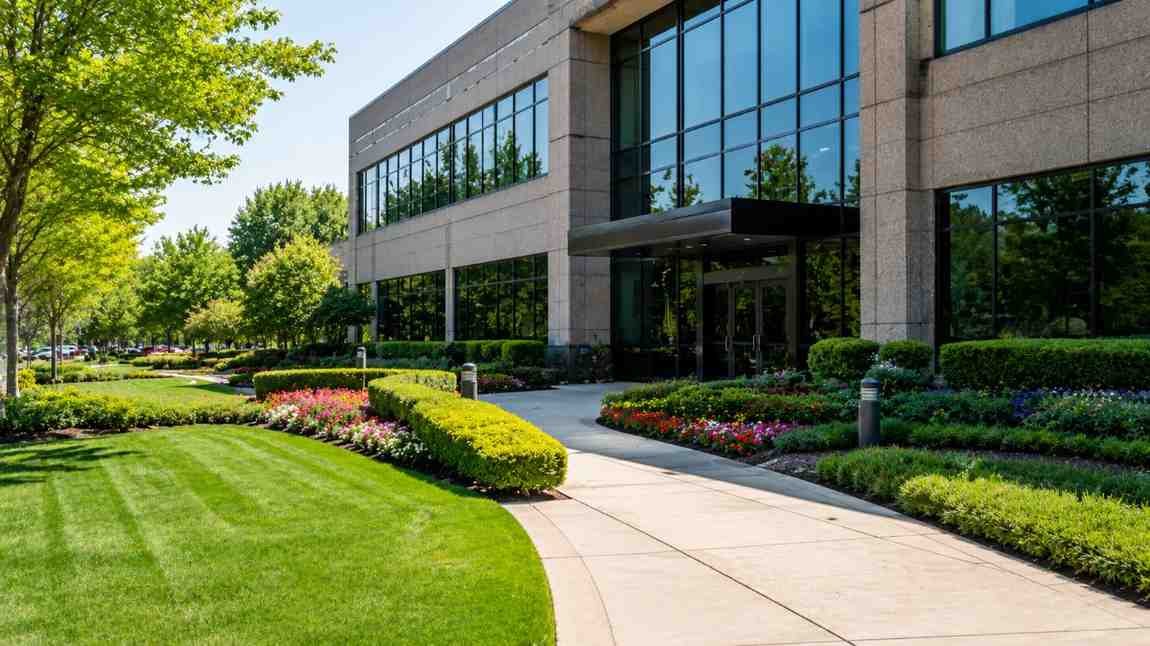
In the competitive commercial real estate market, a property’s exterior appearance serves as its most important visual asset. The state of the landscape fundamentally influences perceptions of quality, management competence, and overall investment health. For property owners and asset managers, effective commercial landscape maintenance should not be viewed merely as a budget item.
It should be regarded as a strategic financial investment that directly correlates with tenant satisfaction and, critically, long-term occupancy rates.
A well-cared-for environment communicates stability and professionalism, establishing an immediate trust that is essential for both attracting new occupants and retaining existing ones. Understanding this connection is key to measuring the significant return on investment derived from continuous, high-quality grounds management.
Properties that prioritize the outdoor experience often find that the initial costs are dwarfed by the long-term gains in tenant loyalty and reduced marketing expenditures for vacant spaces.
Beyond Curb Appeal: The Immediate Impact
The benefits of a meticulously maintained exterior extend far beyond simple aesthetic pleasure; they create measurable business advantages during the tenancy life cycle.
Visual Excellence and Professionalism
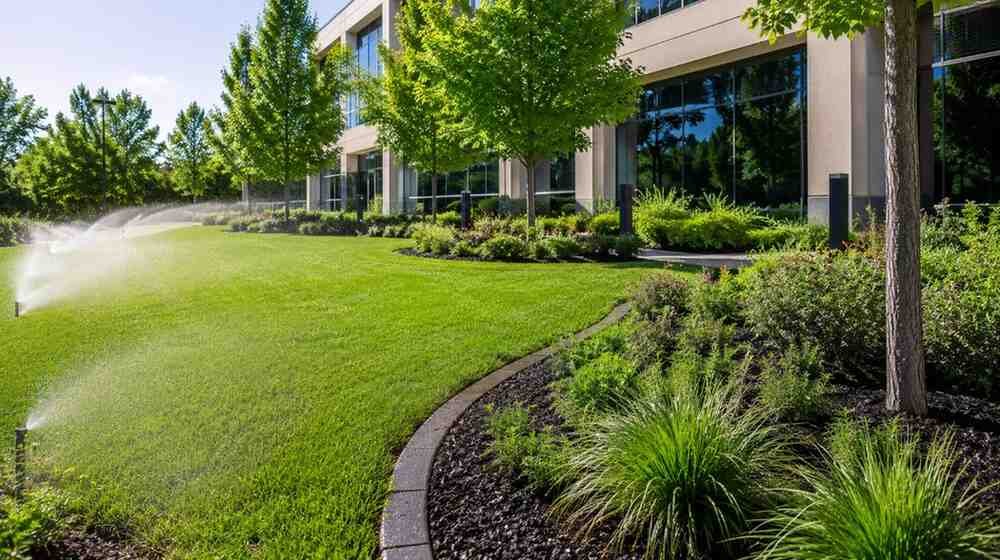
For tenants, the exterior environment is an extension of their own brand identity. A thriving, neat landscape reflects positively on the businesses housed within the property. Tidy flower beds, trimmed hedges, and healthy lawn areas project an image of success and meticulous operation.
This visual excellence signals to clients, partners, and employees of the tenant that the building is managed to a superior standard, thereby enhancing the credibility and prestige of the businesses operating on the premises. When a tenant is proud to host meetings at their office because the grounds are impeccable, the property manager has successfully added value to that tenant’s core operations.
Tenant Recruitment and Initial Viewings
The decision to lease commercial space often hinges on the initial site visit. Prospective tenants unconsciously assess the financial stability and operational care of the property owner through the quality of the grounds. Overgrown shrubbery, cracked pavement, or neglected turf can raise immediate concerns about potential deferred maintenance issues within the building itself.
Conversely, an impeccably maintained landscape provides a powerful, non-verbal guarantee of a focused and proactive management team. This first impression makes the property significantly more attractive and provides the owner with the justification needed to command premium rental rates in a saturated market.
Quantifying the Return on Investment
The return on investment of landscaping is realized through cost avoidance, increased asset value, and improved cash flow from sustained occupancy.
Protecting Physical Assets
Consistent landscape maintenance plays a vital role in protecting the structural integrity of the commercial asset. Properly managed vegetation, installing artificial grass and grading mitigate risks associated with water runoff and soil erosion, which can compromise foundations and paving over time. Overgrowth near buildings can conceal pests or block crucial ventilation, while tree trimming prevents falling limbs from damaging roofs, vehicles, or utility infrastructure.
Materials used in ground cover are also important for reducing maintenance costs. For instance, high-quality material such as bagged mulch from Draper provides superior moisture retention and excellent weed suppression for amenity beds, minimizing the time and labor required for seasonal upkeep. Investing in proactive outdoor care is consistently more cost-effective than addressing resulting property damage or structural failure.
Increasing Property Valuation
Studies consistently demonstrate that superior commercial landscaping directly contributes to higher property valuations. A beautiful and healthy environment makes the property stand out in a crowded market during appraisals or potential sales. This investment translates into higher valuation figures, providing a better position for refinancing and eventual disposition.
Furthermore, a townhome could be a good investment. Properties with exceptional grounds typically command better lease terms and higher rents because the tenants perceive added value in the workspace and surrounding environment. Even a modest five percent increase in annual rental income can have a dramatic positive effect on the capitalization rate of a commercial asset.
Sustaining Tenancy and Occupancy Rates
The ultimate measure of landscape ROI is its effect on the bottom line through reduced tenant turnover expenses. The cost of losing a tenant, which includes vacancy, marketing, and preparing the space for a new occupant, far outweighs the expense of preventative landscape care.
Fostering a Positive Environment
Employees and clients frequenting a commercial property benefit significantly from access to green spaces. Appealing outdoor areas provide opportunities for relaxation, informal meetings, and a general improvement in the work atmosphere. When the environment is pleasant and inviting, tenants experience higher job satisfaction and improved morale.
This feeling of contentment is a powerful, non-monetary benefit that contributes to a tenant’s overall positive association with the property. It makes them less inclined to seek new accommodations when a lease term concludes, as the physical environment has become a part of their daily routine and corporate culture.
Lease Renewal Leverage
When property management consistently provides a high-quality physical environment, it simplifies the negotiation process during lease renewals. Maintenance is often a key criterion in a tenant’s decision to stay or move. By eliminating landscape condition as a concern, ownership gains significant leverage, ensuring stable renewal rates and minimizing incentives or concessions required to keep the space occupied.
A consistently well-managed environment transforms the grounds from a potential liability into a substantial, value-added benefit for the tenant.
Conclusion
Commercial landscape maintenance is a prudent and essential operational expense. By treating grounds care as a foundational component of asset management, property owners can secure quantifiable financial benefits, including reduced maintenance expenses, enhanced property valuation, and a stronger position in the rental market.
Ultimately, maintaining an immaculate exterior helps property owners attract tenants and encourage them to stay for the long term even moving to rural areas. This sustained approach delivers a substantial and measurable return on investment through maximized occupancy and stable income generation.