Our homes serve as the backdrop for nearly every aspect of our lives. They are where we wake up, unwind, entertain, and often where we work. Because we spend so much time within these walls, the physical environment has a profound impact on our mood, productivity, and overall well-being. A space that feels cluttered or poorly lit can easily increase stress, while a thoughtfully organized room can bring a sense of calm and clarity.
Smart Storage Solutions

Clutter is a known contributor to anxiety. When surfaces are covered in miscellaneous items, the brain struggles to relax. Implementing smart storage solutions is one of the most effective ways to regain control over your space. The goal is to make putting things away easier than leaving them out.
Built-In Cabinets and Shelving
Built-in storage utilizes empty wall space without intruding on the room’s footprint. Floor-to-ceiling bookshelves in a living room or custom cabinetry in a dining area provide ample space for belongings while maintaining a clean aesthetic. Because they are tailored to the specific dimensions of your room, built-ins look seamless and architectural.
Upgrading Your Organization
Focus on the areas where clutter naturally accumulates, such as entryways and bedrooms. Installing high-quality closet systems in Salt Lake City can dramatically increase the usable space in your bedroom, allowing you to easily find clothing and accessories. In the kitchen, pull-out pantry drawers and drawer dividers ensure that utensils and ingredients are always within reach, streamlining meal preparation.
Maximizing Natural Light
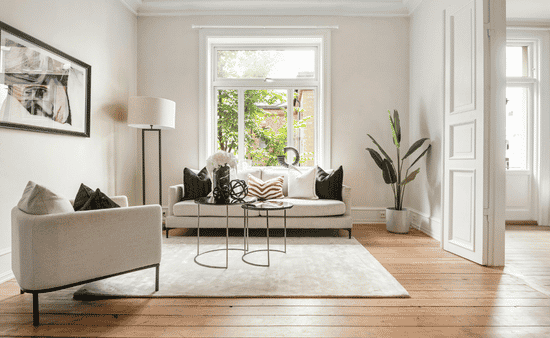
Exposure to natural light regulates our circadian rhythms, boosts vitamin D levels, and elevates our mood. Dark rooms often feel cramped and uninviting, whereas well-lit spaces feel open and energizing.
Strategic Window Treatments
Heavy, dark curtains absorb light and make rooms feel smaller. Swapping them out for sheer or light-filtering fabrics allows sunlight to penetrate while still providing privacy. If you need darkness for sleeping, consider installing dual-roller shades that offer both light-filtering and blackout options.
Using Mirrors to Reflect Light
Mirrors are powerful tools for amplifying natural light. Placing a large mirror directly across from a window bounces sunlight deeper into the room. You can also use furniture with reflective surfaces, like glass coffee tables or metallic accents, to help distribute light evenly throughout the space.
Creating Functional Zones
Modern homes often feature open floor plans. While this creates a wonderful sense of spaciousness, it can also lead to a chaotic environment where work, relaxation, and dining all blend together. As part of how to plan the perfect layout for your dream space, defining specific zones helps establish boundaries and brings order to your daily activities.
Defining Areas with Rugs and Furniture
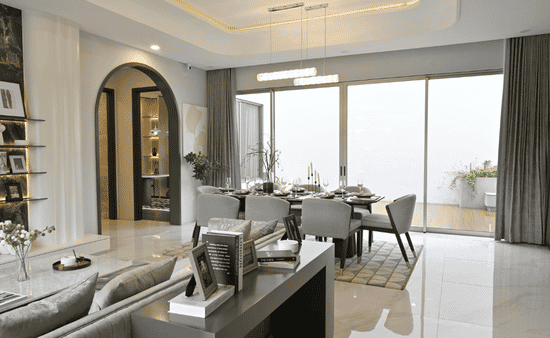
You do not need walls to create separate rooms. Area rugs are excellent for anchoring a specific zone, such as a seating area or a dining space. The back of a sofa can act as a visual divider, signaling the end of the living room and the beginning of the kitchen.
Dedicated Workspaces
With the rise of remote work, having a designated office space is crucial for productivity and mental separation. Even if you lack a spare bedroom, you can carve out a functional workspace in a quiet corner. A wall-mounted desk or a small writing table, paired with a comfortable, ergonomic chair, creates a boundary that signals to your brain it is time to focus.
Incorporating Biophilic Design

Biophilic design centers on the human need to connect with nature. Integrating natural elements into your home interior reduces stress and increases creativity.
Bringing the Outdoors In
Houseplants are the easiest way to introduce biophilic elements to your home. Plants like snake plants, pothos, and peace lilies are low-maintenance and thrive in various indoor conditions. Grouping plants of varying heights in empty corners breathes life into stagnant spaces and improves indoor air quality.
Utilizing Natural Materials
The Role of Technology
Smart home technology has evolved far beyond novelty gadgets. Today, it offers practical solutions that simplify routines and enhance comfort. Integrating technology seamlessly into your home design prevents it from feeling obtrusive.
Automated Lighting and Climate Control
Smart lighting allows you to program your lights to follow your daily schedule. You can set them to gradually brighten in the morning to simulate a sunrise, and dim in the evening to prepare your body for sleep. Smart thermostats learn your preferences over time, automatically adjusting the temperature to ensure you are always comfortable while simultaneously reducing energy waste.
Hidden Devices
To maintain a peaceful aesthetic, conceal cords and devices wherever possible. Cable management boxes, wireless charging pads built into nightstands, and smart speakers designed to blend in with your decor keep the benefits of technology accessible without cluttering your visual field.
Conclusion
Improving your living space does not require a complete overhaul. The secret lies in identifying the small, everyday frictions and addressing them through thoughtful design. By organizing your storage, embracing natural light, defining your living zones, introducing natural elements, and utilizing smart technology, you create a home that actively works for you.