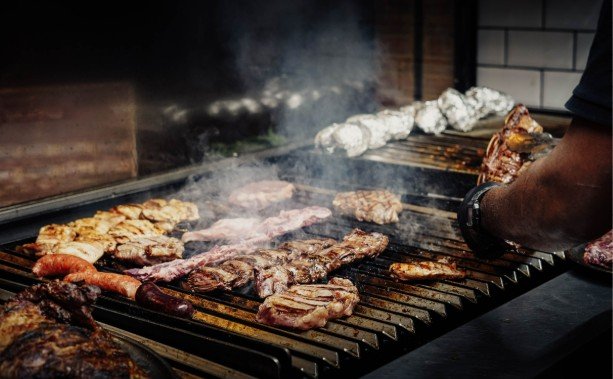
A great steak may be the reason someone books a table, but it is rarely the reason they remember the night. The best dining rooms understand that a memorable meal is built from a sequence of details: the first impression at the door, the meal’s pacing, the confidence of the service, the quality of the pairings, and the sense that the entire evening was designed rather than assembled.
That is where a concept like Libertango, one of Utah’s best steakhouses, stands apart. In a category often reduced to cuts, temperatures, and sides, Libertango treats dinner as a complete experience. The result is more than a good entrée. It is a restaurant memory that feels deliberate, layered, and worth repeating.
The Steak Is the Anchor, Not the Whole Story
The biggest misconception about a premium steakhouse is that the steak alone carries the experience. In practice, the steak is only the centerpiece. If everything around it feels generic, the meal becomes forgettable no matter how well the meat is prepared.
A stronger steakhouse builds context around the plate. That means the atmosphere should support the food rather than compete with it. Lighting should calm the room. Timing should feel composed. Music should create energy without disrupting conversation. And the menu should offer enough range to make the dining experience feel curated rather than mechanical.
Libertango understands this balance especially well. Its Argentine fine-dining identity gives the restaurant a narrative beyond beef, which matters because guests remember stories more easily than ingredients. A meal becomes more memorable when it has a point of view.
Why Atmosphere Changes Perception
People often describe a dinner as “feeling special” before they can explain why. That is usually the result of atmosphere working in the background. The room shapes expectations before the food arrives, and it can elevate the same steak from ordinary to exceptional.
A tango-inspired setting, for example, does not need to be theatrical to be effective. It only needs to create tension, elegance, and rhythm. That sense of aesthetic intention makes the guest feel that the meal belongs to a larger cultural experience. Libertango uses that idea well by connecting its dining room to Argentine tradition instead of relying on generic steakhouse cues.
What Strong Operators Do Differently From Standard Steakhouses
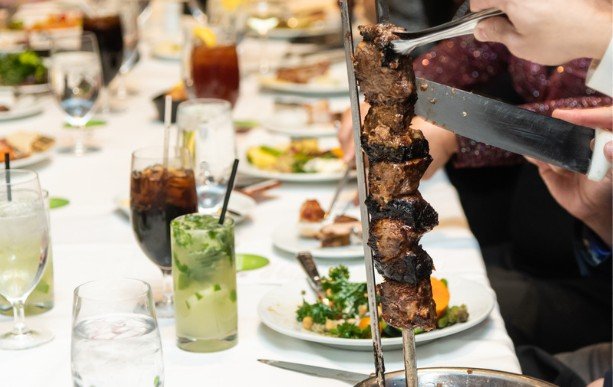
The most effective steakhouses think like hosts, not just kitchen teams. They know that memory is built through sequence. Every touchpoint matters because each one reinforces whether the restaurant feels premium, coherent, and worth recommending.
A standard steakhouse may serve good food but fail to shape the evening. A strong operator, by contrast, manages the full arc of the visit.
Here are the details that typically matter most:
- A thoughtful greeting that sets the tone immediately.
- Service that is attentive without becoming intrusive.
- Pacing that allows conversation to breathe.
- Pairings that make the meal feel more complete.
- Menu items that introduce curiosity, not just familiarity.
- Desserts and after-dinner drinks that close the experience gracefully.
When these elements are handled well, the restaurant feels composed. That composition is what turns a dinner into an occasion.
Libertango’s strength is that it does not treat hospitality as a support function. It treats hospitality as part of the product. That is a meaningful distinction, especially in a category where many restaurants assume the steak will do all the work.
Menu Variety Signals Confidence
A restaurant becomes more interesting when it shows fluency beyond its headline item. In a steakhouse context, that means more than just adding salads and seafood as afterthoughts. It means building a menu with enough depth to reward different appetites and different kinds of gatherings.
At Libertango, that breadth comes through in traditional Argentine dishes, chimichurri, blood sausage, Cerdo a la Gardel, and desserts such as dulce de leche and olive oil ice cream. Those choices matter because they create contrast. They tell the guest that the kitchen has a point of view rooted in Argentine cuisine, influenced by Spanish, Italian, and French traditions.
That broader menu does two things strategically. First, it helps mixed groups order with confidence. Second, it prevents the evening from feeling one-dimensional. Guests may arrive for steak, but they remember the complexity of the full table.
Pairings and Progression Make the Meal Feel Intentional
One of the clearest signs of a premium dining experience is whether the meal progresses with logic. The best steakhouses do not just place a protein on a plate. They guide the guest through flavor, texture, and intensity in a way that feels natural.
That is where South American wine pairings become more than an upsell. They become a narrative tool. A robust wine paired with rich beef, a bright acidic element alongside chimichurri, or a thoughtful cocktail before dinner all help the guest feel that the restaurant is shaping the evening with confidence.
Libertango is particularly well positioned here because its concept is built around an Argentine culinary identity. That gives the beverage program a real role to play. The wine list is not there to decorate the menu; it is there to complete it.
Small Decisions Create Large Impressions
Guests usually do not remember every technical detail of a meal. They do remember whether the restaurant anticipated what they wanted before they asked. That can be as simple as the right tempo between courses or as meaningful as a recommendation that makes the entire table better.
This is why premium restaurants often outperform louder competitors. They remove friction. They do not make the diner work to enjoy the meal. Instead, they make the process feel effortless, which is a hallmark of real hospitality.
For anyone searching for the best steakhouse, that standard should matter more than novelty alone. A strong steakhouse should make the food excellent, but it should also make the experience coherent. That is the difference between a place people visit once and a place they actively remember.
The Most Memorable Restaurants Understand Occasion
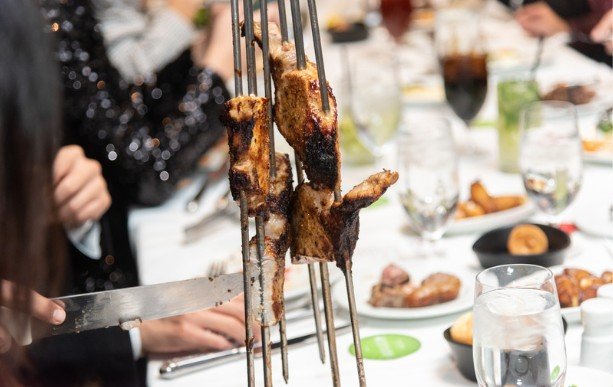
People do not choose a fine-dining steakhouse only because they are hungry. They choose it because something is being marked: a birthday, a promotion, a private dinner, a date night, or a reunion that deserves more than a casual table. The restaurant has to support the emotional purpose of the evening.
That is why private dining, service polish, and room tone are not secondary concerns. They are part of the value proposition. A restaurant that handles special occasions well becomes a place people trust for important moments.
Libertango’s approach is effective because it speaks to both intimacy and celebration. It can feel refined enough for a meaningful dinner and distinctive enough to feel memorable in hindsight. That combination is rare. Many restaurants can do one or the other. Fewer can do both without losing identity.
Why Brand Story Matters More Than a Generic Luxury Aesthetic
A lot of upscale restaurants rely on familiar signals: dark wood, linen napkins, and a price point that suggests exclusivity. Those details can be useful, but they are not enough on their own. Without a clear story, luxury feels interchangeable.
A stronger restaurant identity gives the guest something to attach to. In Libertango’s case, the Argentine inspiration, the influence of Piazzolla, and the cultural rhythm behind the concept create a setting with depth. The restaurant feels like it stands for something, which is exactly what premium guests look for when they want a night that feels different from the usual upscale dinner.
That is also why Libertango can resonate beyond the steak itself. The brand is not only selling a cut of meat. It is selling a cohesive experience shaped by culture, service, and design.
A restaurant with that kind of clarity does not need to overstate itself. The experience communicates the value. Guests notice when the concept, the menu, and the hospitality all point in the same direction.
The Real Measure of a Great Steakhouse Is What Guests Remember
The most successful steakhouses are not simply places with excellent beef. They are places that make the entire evening feel considered. The steak may be what brings people in, but the atmosphere, the pacing, the pairings, and the sense of cultural identity are what bring them back.
That is the strategic lesson Libertango demonstrates well. A memorable steakhouse does not rely on one heroic dish. It creates an experience where every detail supports the next. When the room, the service, and the menu work together, the meal becomes more than dinner. It becomes a reference point.
And that is what truly defines a restaurant worth recommending: not just how it tastes, but how it stays with you afterward.