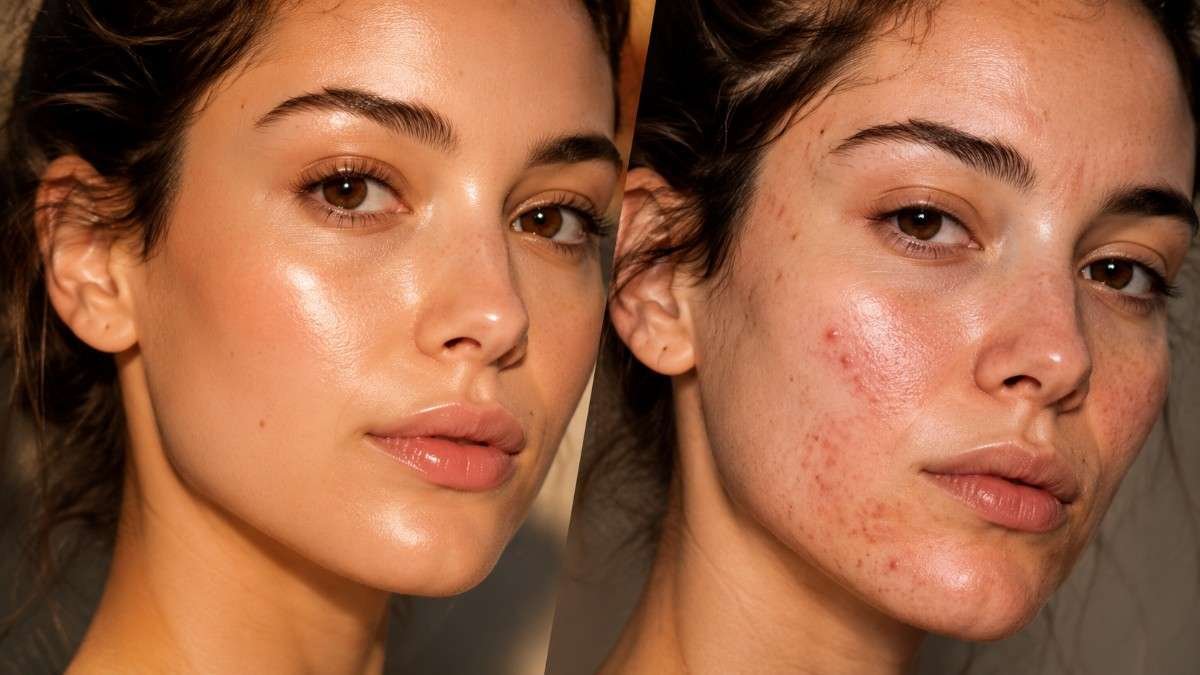
You might notice a breakout right before a major presentation or find your skin looking dull after a tough week. These changes are not coincidental. The connection between your mind and your body is incredibly powerful, and your skin often acts as a visible monitor of your internal well-being.
The Science Behind Stress and Your Skin
To understand why your skin reacts to difficult situations, you need to look at your hormones. When you feel overwhelmed, your adrenal glands release a surge of cortisol. Cortisol is the body’s primary alarm system, designed to help you handle immediate threats.
While a temporary spike in cortisol is perfectly natural, sustained high levels cause problems. Elevated cortisol prompts your sebaceous glands to produce more oil. It also triggers an inflammatory response throughout your entire body. Inflammation compromises your skin’s natural barrier, making it harder for your cells to retain moisture and defend against environmental irritants.
Furthermore, high cortisol levels slow down your digestion and divert blood flow away from the skin. This reduction in circulation means your skin cells receive less oxygen and fewer vital nutrients, leading to a tired, lackluster appearance. But healthy habits can make you look younger.
Common Skin Conditions Triggered by Stress
The inflammatory response caused by elevated stress hormones can manifest in several frustrating ways.
Acne Breakouts
Because cortisol increases oil production, your pores are much more likely to become clogged. This excess oil mixes with dead skin cells and bacteria, creating the perfect environment for acne to thrive. Many adults notice that their worst hormonal breakouts coincide perfectly with high-pressure periods at work or home.
Eczema Flare-ups
Eczema is characterized by itchy, red, and inflamed patches. High anxiety levels weaken the skin barrier, allowing moisture to escape and irritants to enter. This makes the skin highly reactive and prone to sudden, severe eczema flares.
Psoriasis
Psoriasis involves the rapid buildup of cells on the skin’s surface, forming thick, silvery scales. Emotional strain is one of the most common triggers for psoriasis flare-ups. The immune system goes into overdrive during difficult times, accelerating cellular turnover and worsening scaling.
Premature Aging
Stress physically ages you. Chronic inflammation and restricted blood flow deprive your cells of the resources they need to repair themselves. This leads to the early formation of fine lines, deep wrinkles, and uneven pigmentation.
The Long-Term Effects of Chronic Stress
A single stressful week might leave you with a pimple or two. Chronic, unending stress does lasting damage.
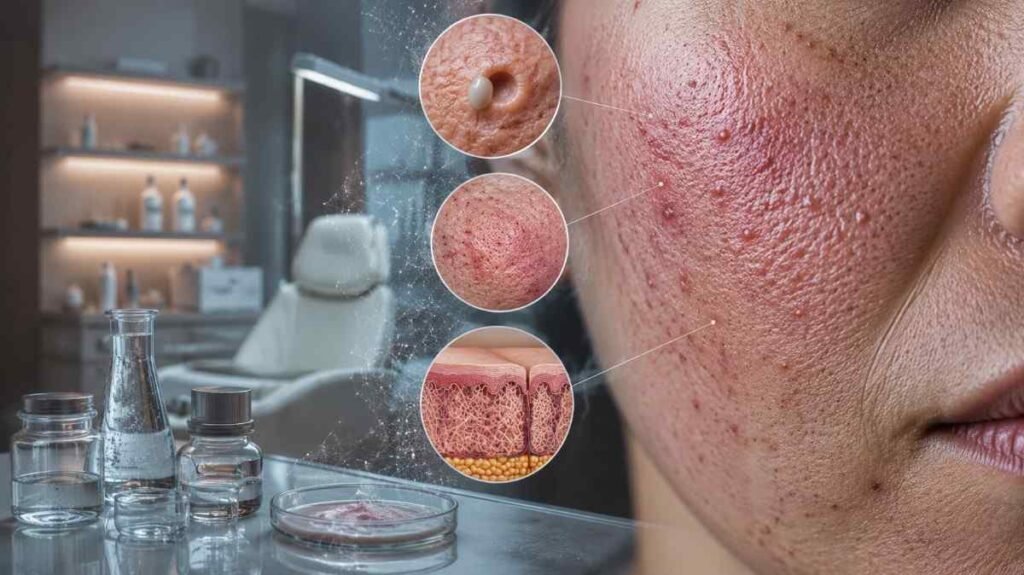
Over time, continuous inflammation breaks down collagen and elastin. These are the two essential proteins responsible for keeping your skin firm, plump, and youthful. As these proteins degrade, the skin loses its natural elasticity and begins to sag.
Additionally, a constantly compromised moisture barrier leads to chronic dehydration. Dehydrated skin struggles to heal from minor wounds and blemishes. It also becomes highly sensitive to products and weather conditions that never used to cause issues. If left unmanaged, years of tension can make your skin look significantly older than your biological age.
Practical Ways to Lower Stress and Protect Your Skin
Treating stress-related skin issues requires addressing the root cause. Implementing daily coping mechanisms can drastically reduce your cortisol levels.
Practice Mindfulness and Meditation
Taking a few minutes each day to practice deep breathing or meditation calms the nervous system and maintains hormonal balance. This signals your adrenal glands to stop producing excess cortisol, halting the inflammatory response before it damages your skin.
Prioritize Consistent Sleep
Your skin repairs itself while you sleep. Aim for seven to nine hours of quality rest every night. Good sleep hygiene allows your cells to regenerate, rebuild collagen, and restore the moisture barrier.
Exercise Regularly
Physical activity boosts blood circulation. This increased blood flow delivers oxygen and nutrients directly to your skin cells, promoting a healthy, natural glow. Exercise also releases endorphins, which are natural mood elevators that counteract the effects of cortisol.
Eat a Balanced Diet
Consume foods rich in antioxidants, such as berries, leafy greens, and nuts. Antioxidants help neutralize the free radicals produced by stress, protecting your cellular structure from further damage.
Skincare Strategies for Stressed Skin
While you work on managing your internal triggers, you can adapt your external routine to soothe irritation and rebuild your protective barrier.
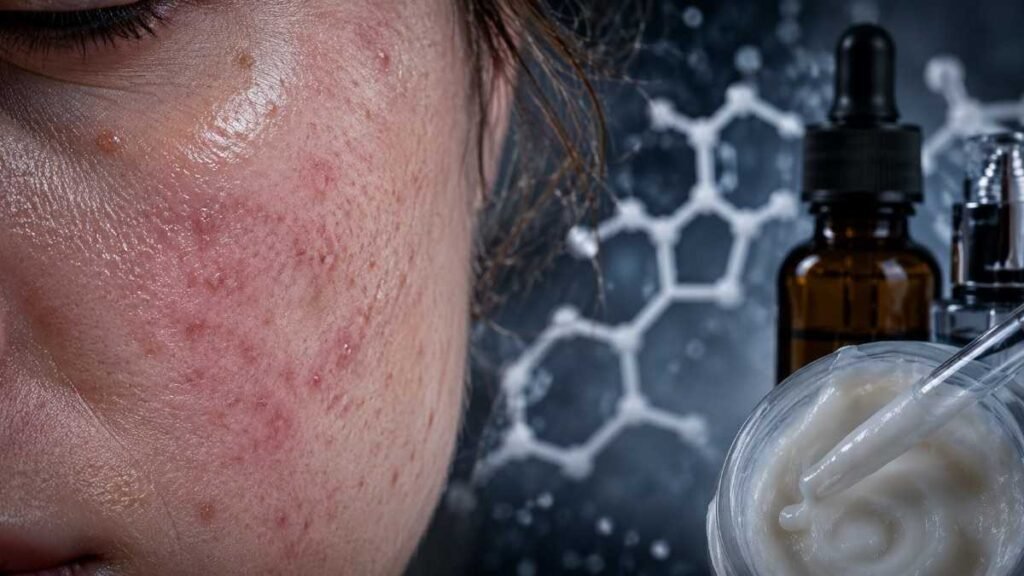
First, strip your routine back to the basics. Avoid harsh exfoliants or strong active ingredients like high-concentration retinoids when your skin is actively inflamed. Instead, opt for gentle, fragrance-free cleansers.
Look for products containing barrier-repairing ingredients such as ceramides, hyaluronic acid, and niacinamide. These compounds help lock in moisture and calm redness. If you are dealing with specific conditions that are aggravated by anxiety, ensure you are using targeted treatments.
For example, collaborating with psoriasis dermatologists in Ogden, UT, can help you find specialized topical treatments that manage severe scaling while you work on your internal health.
When to Seek Professional Help
Sometimes, lifestyle changes and over-the-counter products are not enough. It is time to consult a medical professional if your skin conditions cause physical pain, severe itching, or emotional distress. A board-certified dermatologist can prescribe stronger treatments, such as oral medications or targeted light therapy, to bring severe inflammation under control.
Furthermore, if you are struggling to manage your anxiety, speaking with a therapist or counselor can provide you with essential tools to improve your mental well-being.
Conclusion
Achieving a healthy complexion involves much more than applying the right serums and creams. Your skin is a direct reflection of your internal environment. By understanding how tension and anxiety trigger inflammation and oil production, you can take proactive steps to protect yourself.