A bright smile and fresh breath are certainly nice to have, but your oral hygiene goes far deeper than simple aesthetics. The state of your mouth actually offers a direct window into your overall physical well-being. When things start to go wrong with your teeth, gums, or jaw, your body usually sends clear, unmistakable signals.
Persistent Bad Breath (Halitosis)

Beyond brushing, it is important to understand that not all bad breath is caused by poor oral hygiene. Everyone wakes up with morning breath or experiences a lingering odor after eating a garlic-heavy meal. This type of occasional bad breath is entirely normal and usually goes away after a quick brushing.
However, if your bad breath persists regardless of how often you brush, floss, or use mouthwash, you may be dealing with a chronic condition known as halitosis, which can indicate an underlying oral or health issue that requires professional attention.
Chronic halitosis can also point to larger issues like untreated cavities, severe gum disease, or even respiratory and sinus infections. Masking the odor with mints will not solve the root cause. You need a dental professional to evaluate your mouth, identify the source of the bacteria, and prescribe an effective treatment plan.
Bleeding Gums When Brushing
Seeing a pink tint in the sink after you spit out your toothpaste is a red flag you should never ignore. Healthy gums simply do not bleed during regular brushing or flossing. If your gums bleed easily, look swollen, or feel unusually tender to the touch, you are likely looking at the early stages of gum disease, commonly known as gingivitis.
Gingivitis develops when plaque—a sticky film of bacteria—builds up on your teeth and begins irritating the surrounding gum tissue. Left untreated, this mild inflammation can quickly progress into periodontitis, a much more severe form of gum disease that damages the soft tissue and destroys the bone supporting your teeth.
Fortunately, gingivitis is entirely reversible with prompt intervention. Upgrading your daily oral hygiene routine and scheduling a professional cleaning can stop the inflammation in its tracks and restore your gums to full health.
Sudden Tooth Sensitivity

Enjoying a scoop of ice cream or a hot cup of coffee should be a relaxing experience. If taking a sip or a bite causes a sharp, sudden jolt of pain in your teeth, your oral health requires immediate attention. Tooth sensitivity happens when the protective outer layer of your tooth, called the enamel, wears away. This erosion exposes the underlying layer of dentin, which contains microscopic tubes leading directly to the nerves of your tooth.
Enamel erosion can happen for a variety of reasons. Consuming highly acidic foods and beverages, brushing your teeth far too aggressively, or using harsh whitening products can all strip away your enamel. As research advances, how oral microbiome mapping is transforming preventative dental strategies is becoming increasingly clear, helping dental professionals identify bacterial imbalances early and develop personalized approaches to protect enamel and maintain long-term oral health.
Sensitivity can also be a strong indicator of a developing cavity, a cracked tooth, or receding gums that have exposed the sensitive roots of your teeth. Because enamel cannot grow back once it is gone, you should consult a dentist to determine the exact cause of your pain and find ways to protect your remaining tooth structure.
Unexplained Jaw Pain or Clicking
Your oral health encompasses much more than just your teeth and gums. The muscles and joints that control your mouth play a critical role in your daily comfort. If you frequently wake up with a dull, aching pain in your jaw, experience headaches, or hear a loud popping or clicking sound when you chew, you might be dealing with a temporomandibular joint (TMJ) disorder.
Jaw discomfort is heavily linked to a subconscious habit known as bruxism, which is the grinding or clenching of teeth. Many people grind their teeth at night while they sleep, usually as a physical response to stress or anxiety.
Over time, relentless grinding exerts massive pressure on your jaw joints and can severely wear down the chewing surfaces of your teeth. A dentist can help alleviate this strain by fitting you for a custom night guard to protect your teeth while you sleep and discussing therapies to reduce joint inflammation.
Unusual Sores or Lumps
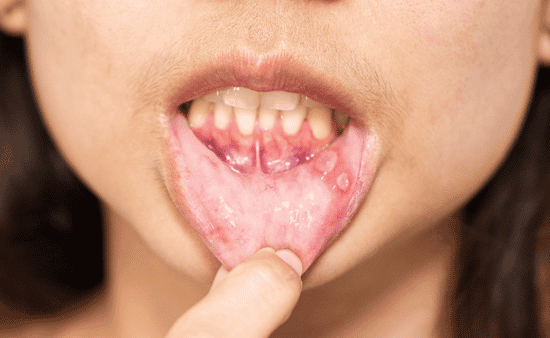
Your mouth is naturally smooth, and any sudden changes in its texture warrant a closer look. Canker sores and minor burns from hot food are common and generally heal on their own within a week or two. However, you should be highly suspicious of any sores, lumps, or rough patches that linger for more than two weeks without showing signs of improvement.
Checking your mouth for unusual lesions is a critical part of catching oral cancer in its earliest, most treatable stages. Pay attention to any red or white patches on the inside of your cheeks, the roof of your mouth, or underneath your tongue.
If you discover a thickened lump or a sore that bleeds easily and refuses to heal, contact a healthcare professional immediately. Early detection saves lives, making regular self-examinations an essential habit.
Unexplained Changes in Taste
A sudden, strange change in how your food tastes is another symptom closely tied to poor oral hygiene. If you constantly experience a bitter, sour, or metallic taste in your mouth, your body is likely fighting off an oral infection.
When bacteria run rampant in your mouth, the resulting infections can directly interfere with your taste buds. This is especially common with advanced gum disease or an abscessed tooth, where pockets of pus and infection leak into the mouth.
Dry mouth, a condition where your salivary glands do not produce enough saliva to wash away food particles and bacteria, can also drastically alter your sense of taste. Since saliva is necessary to break down food chemicals so your taste buds can register them, a dry mouth directly dampens your ability to enjoy your meals.
Skipping Your Regular Check-ups
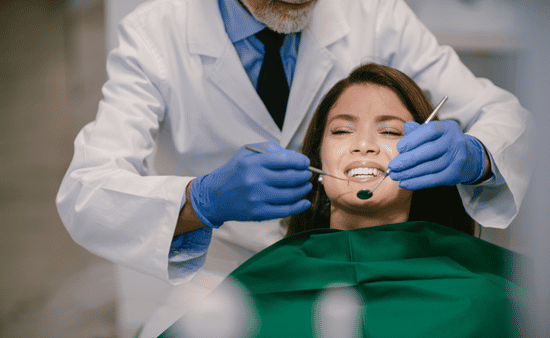
One of the most obvious signs that you are neglecting your oral health is simply avoiding the dentist’s chair. Routine dental check-ups are specifically designed to catch minor issues long before they require painful and expensive interventions. Even if your teeth look perfectly fine in the mirror and you feel absolutely no pain, underlying problems could be quietly developing beneath the surface of your gums.
Skipping regular cleanings allows stubborn tartar to accumulate, increasing your risk of severe decay and tooth loss. If you allow your oral health to deteriorate by missing these crucial visits, you might eventually require major restorative procedures, such as getting dental implants in Harrisonburg, VA, to completely rebuild your smile.
Committing to a check-up every six months is the easiest and most effective way to prevent these severe complications and keep your mouth in excellent condition.
Conclusion
Your mouth communicates with you daily. Pay attention to symptoms like bad breath, tender gums, sensitivity, and jaw pain to stay ahead of serious medical problems. Don’t wait for a minor ache to become an emergency. Recommit to brushing, flossing, and staying hydrated. Most importantly, schedule a comprehensive exam with your dentist to keep your smile bright and healthy for years to come.