
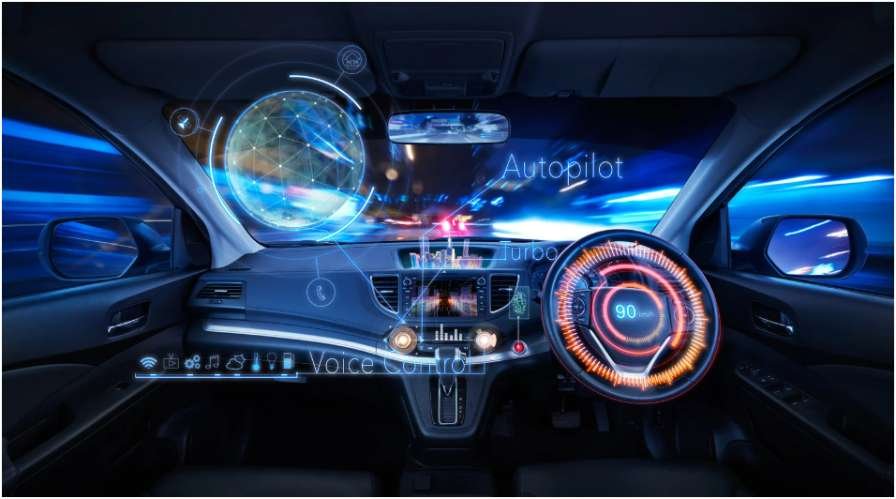
Automotive technology advances rapidly, introducing innovative ways to make daily commutes and long road trips safer and more enjoyable. Modern vehicles now offer a wide variety of integrated systems specifically designed to reduce driver fatigue and elevate passenger comfort. These advancements shift the focus from simple transportation to providing a comprehensive, user-friendly mobile environment.
Understanding which vehicle upgrades provide the highest value helps owners make informed decisions when purchasing a new car or modifying their current ride. From advanced driver-assistance systems that actively monitor traffic conditions to high-fidelity entertainment setups that deliver crystal-clear sound, specific additions drastically change how a car handles and feels on the open road.
This guide explores nine essential automotive features that directly improve the driving experience. By evaluating modern safety technologies, climate-control enhancements, and connectivity upgrades, drivers can prioritize the systems that best align with their daily transportation and comfort requirements.
How does adaptive cruise control reduce highway driving fatigue?
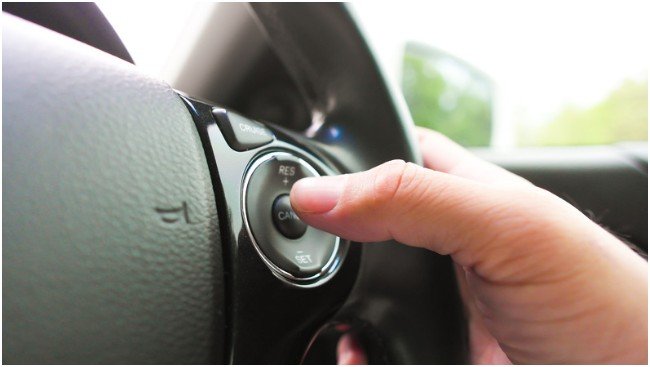
Adaptive cruise control utilizes radar and camera sensors to automatically maintain a set distance from the vehicle ahead. Unlike standard cruise control, this system adjusts the vehicle’s speed dynamically, slowing down or accelerating based on real-time traffic flow.
This feature significantly reduces the physical strain of constantly moving your foot between the brake and gas pedals during heavy highway congestion.
Why are blind-spot monitoring systems essential for highway safety?
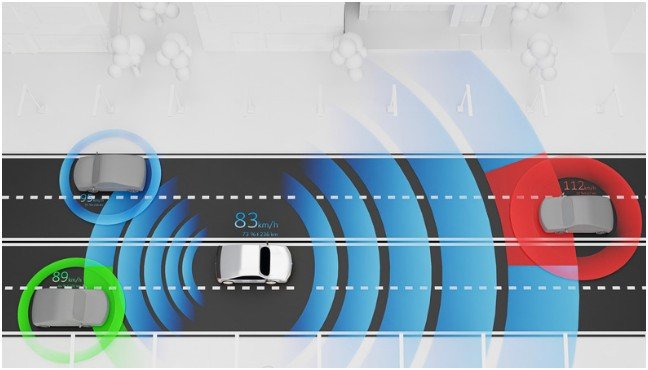
Blind-spot monitoring systems use perimeter sensors to detect vehicles hiding in adjacent lanes. When a car enters the driver’s blind spot, the system illuminates a visual warning indicator on the corresponding side mirror.
Choose these simple security measures, like blind-spot monitoring, if highway merging and lane-changing safety matter more to you than basic aesthetic vehicle upgrades, as it drastically lowers the probability of side-swipe collisions.
What are the benefits of ergonomic, climate-controlled car seats?

Automakers design climate-controlled seating with built-in heating elements and ventilation fans to regulate body temperature regardless of the external weather. Ergonomic seats with adjustable lumbar support ensure proper spinal alignment during long transit times.
This combination prevents muscle stiffness and keeps the driver alert, entirely removing the discomfort of sitting on freezing leather in the winter or burning upholstery in the summer.
How do premium car audio systems enhance the cabin environment?
Replacing a stock head unit and factory speakers fundamentally changes the audio environment inside a vehicle. High-end aftermarket stereo units provide crisp, distortion-free sound that makes listening to music or podcasts thoroughly enjoyable.
For those seeking professional equipment integration without risking damage to sensitive vehicle electronics, utilizing services like car stereo installation in Utah ensures complex audio wiring and computer configurations are handled correctly and efficiently.
Can head-up displays (HUDs) prevent distracted driving?
Head-up displays project critical vehicle information—such as current speed, navigation directions, and speed limits—directly onto the windshield in the driver’s line of sight.
This technology eliminates the need for the driver to look down at the dashboard or a central infotainment screen. By keeping their eyes focused on the road ahead, drivers maintain better situational awareness and reaction times.
Why should drivers invest in Apple CarPlay or Android Auto integration?
Smartphone integration systems sync a mobile device directly to the vehicle’s central display screen. This allows drivers to safely access digital navigation applications, send voice-to-text messages, and control media playback without physically handling their phones.
It reduces cord clutter on the dashboard and guarantees that navigation maps remain continuously updated via cellular data.
How does lane-keeping assist prevent common traffic accidents?
Lane-keeping assist uses forward-facing cameras to track painted road markings. If the vehicle begins to drift out of its designated lane without an active turn signal, the system applies gentle steering correction or steering wheel vibrations to alert the driver.
This feature proves highly effective in preventing accidents caused by momentary driver distraction or drowsiness on long, monotonous stretches of highway.
What advantages do 360-degree surround-view cameras offer for parking?
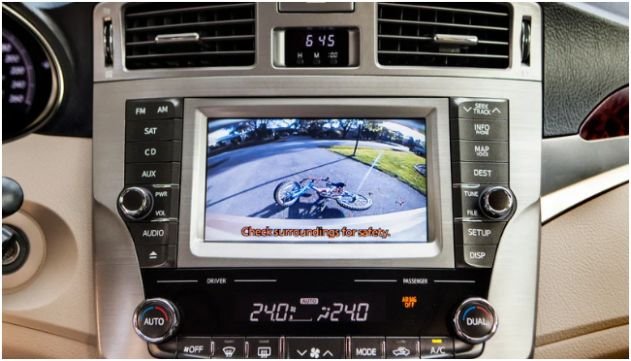
Surround-view camera systems stitch together live video feeds from multiple cameras mounted around the vehicle’s exterior to create a top-down, bird’s-eye view on the center console screen.
This technology makes navigating tight parking garages and parallel parking spaces incredibly precise, and you can align this technology with professional garage door installation for smooth access. It allows drivers to see exact distances between their bumpers and surrounding obstacles, eliminating the guesswork of spatial awareness.
How does ambient cabin lighting affect passenger comfort at night?
Modern vehicles utilize customizable LED ambient lighting to softly illuminate the footwells, door panels, and center console during night driving.
Beyond aesthetic appeal, gentle ambient lighting reduces the harsh contrast between the dark exterior and the vehicle’s bright dashboard gauges. This subtle illumination minimizes eye strain and creates a calming, relaxed atmosphere inside the cabin.
Maximizing Comfort and Safety on the Road
Integrating advanced technology into a vehicle transforms the daily act of driving from a repetitive chore into a streamlined, comfortable experience. By focusing on safety features that monitor blind spots and lane departures, drivers actively mitigate roadway risks.
Simultaneously, investing in cabin comforts like climate-controlled seating and premium sound systems ensures that both short commutes and cross-country road trips remain pleasant. Selecting the right combination of these nine features ultimately dictates how effectively a vehicle meets the driver’s evolving needs.