
SBA loans are a popular choice for small businesses due to their favorable terms. Lenders assess both personal and business credit scores to manage risk, and these scores are a key factor in the approval process. While the specific requirements can vary by lender and loan program, a strong credit history is crucial for a successful application.
Understanding SBA Loan Credit Score Requirements
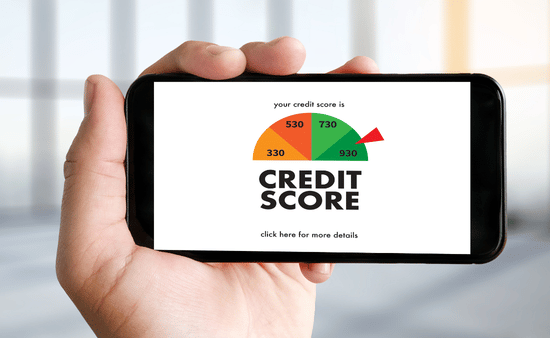
The Small Business Administration does not lend money directly to business owners. Instead, they partner with approved lenders, such as banks and credit unions, and guarantee a portion of the loan. While the SBA sets baseline guidelines, individual lenders often impose their own minimum credit score requirements.
Here is a look at the typical credit expectations for the three most popular SBA loan programs.
SBA 7(a) Loans
The 7(a) program is the most common SBA loan, used for working capital, equipment, and even real estate. For loans under $350,000, lenders use the FICO Small Business Scoring Service (SBSS), which calculates a score from 0 to 300 based on both your personal and business credit history. The SBA requires a minimum SBSS score of 155 to pass their initial screening. Additionally, lenders usually look for a personal FICO score of at least 650 to 680 to approve a 7(a) loan.
SBA 504 Loans
Designed for major fixed asset purchases, such as real estate or heavy machinery, the 504 loan program involves a traditional lender and a Certified Development Company (CDC). Because these loans involve large amounts of capital, the credit requirements are fairly strict. Most lenders expect a personal FICO score of 680 or higher to qualify for an SBA 504 loan.
SBA Microloans
If you need a smaller amount of funding (up to $50,000), the SBA Microloan program is a highly accessible option. These loans are administered through non-profit community-based organizations. Because the primary goal of the microloan program is to help disadvantaged or newer businesses, the credit score requirements are much more flexible. Some microlenders accept personal FICO scores as low as 620 to 640.
Factors Affecting Your Credit Score for SBA Loans

When you apply for an SBA loan, lenders scrutinize both your personal and business credit profiles. Understanding how these scores are calculated can help you pinpoint areas for improvement.
Personal Credit
For most small businesses, especially sole proprietorships and young startups, the owner’s personal credit score carries the most weight. Lenders look closely at your payment history, making sure you pay your bills on time.
They also review your credit utilization ratio, which measures how much of your available credit you are actively using. Keeping this ratio below 30% demonstrates that you do not over-rely on borrowed money. The length of your credit history and the types of credit accounts you hold also factor into your overall personal FICO score.
Business Credit
If your business has been operating for a few years, lenders will review your business credit profile. Your business credit score is heavily influenced by your payment history with vendors and suppliers. Having positive trade lines, where vendors report your timely payments, can significantly boost your business credit profile. Public records, such as liens, bankruptcies, or judgments against your business, will severely damage this score.
How to Improve Your Credit Score Before Applying
If your credit score currently falls below the ideal range, you can take strategic steps to improve it before submitting an SBA loan application. Understanding the Loan Process as a First-Time Borrower can also help you strengthen your financial profile, prepare the necessary documentation, and approach lenders with greater confidence.
First, request copies of your credit reports from all major credit bureaus. Review them carefully for errors, such as accounts that do not belong to you or incorrect late payment remarks. Disputing and removing these inaccuracies can provide an immediate boost to your score.
Next, focus on paying down existing debt. Lowering your credit card balances will improve your credit utilization ratio, which has a fast and positive impact on your score. Make a strict habit of paying every single bill on time, as payment history is the largest single component of your credit score. Finally, avoid opening new personal credit accounts in the months leading up to your loan application, as hard inquiries can temporarily lower your score.
Alternative Financing Options if Your Credit Score is Low
Sometimes, you cannot afford to wait months to improve your credit score before securing funding. If an SBA loan is currently out of reach, there are alternative financing avenues available.
Online term loans and lines of credit generally have more lenient credit requirements than traditional bank loans, though they often come with higher interest rates and shorter repayment terms. Invoice factoring or merchant cash advances can provide fast capital based on your sales volume rather than your credit score.
Equipment financing is another viable option; because the equipment itself acts as collateral, lenders are often willing to work with lower credit scores. If you consult an SBA lender in Lehi, they can often evaluate your financial health and point you toward alternative short-term products that can bridge the gap while you rebuild your credit for a future SBA application.
The Application Process: Beyond the Credit Score
While your credit score acts as a gatekeeper, it is not the only factor lenders consider during the SBA loan application process. Even an excellent credit score cannot save an application that lacks a solid foundation.
Lenders need to see a comprehensive business plan that clearly outlines your company’s goals, market analysis, and growth strategies. They will heavily scrutinize your cash flow projections to ensure your business generates enough revenue to comfortably cover the monthly loan payments.
Depending on the loan program and the amount requested, you may also need to pledge business or personal assets as collateral to secure the loan. Strong revenue figures, valuable collateral, and significant industry experience can sometimes compensate for a borderline credit score.
Special Considerations for New Businesses and Startups
New businesses face a unique set of challenges when applying for SBA loans. Because startups lack historical revenue data and established business credit profiles, lenders must rely almost entirely on the founder’s personal credit score and financial background.
Startups generally need a stronger personal credit score, an impeccable business plan, and often a larger equity injection (down payment) to mitigate the lender’s risk. Lenders want to see that the founders have significant experience in their industry and a clear, realistic path to profitability.
The Role of foam gaskets for EVs in the Current Economic Climate
Economic trends and industry demand also influence lender confidence. Businesses operating in rapidly growing sectors often have an easier time securing financing, provided they meet credit requirements. For example, the manufacturing supply chain for sustainable transportation is currently experiencing massive growth.
The role of foam gaskets for EVs in the current economic climate is a perfect illustration of this trend. As automotive manufacturers scale up electric vehicle production, they require specialized components that protect battery enclosures from moisture, dust, and temperature fluctuations.
A startup or established manufacturer producing these specific foam gaskets might seek an SBA 504 loan to purchase specialized cutting machinery. Because the demand for EV components is highly visible and economically promising, a lender might view this business’s cash flow projections very favorably, further strengthening the loan application alongside a solid credit score.
Conclusion
Navigating the SBA loan process requires preparation, patience, and a clear understanding of your financial health. While minimum credit score requirements vary by lender and loan type, maintaining a personal FICO score above 680 and keeping a clean business credit profile will position you for the highest chances of approval.