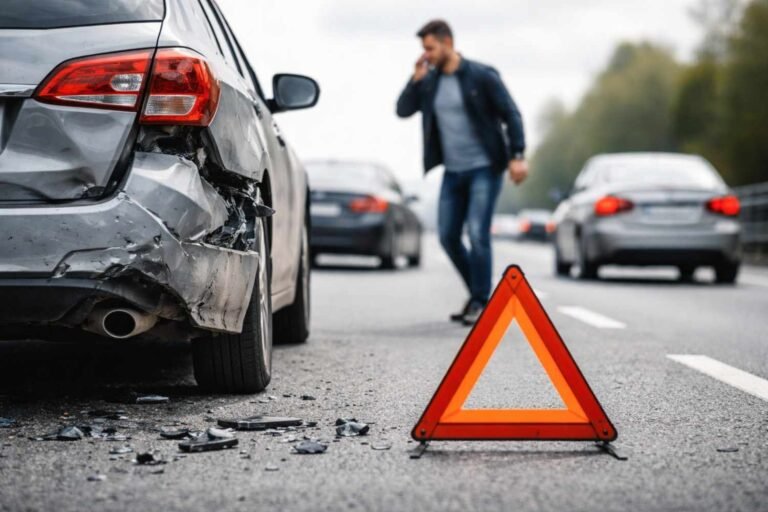
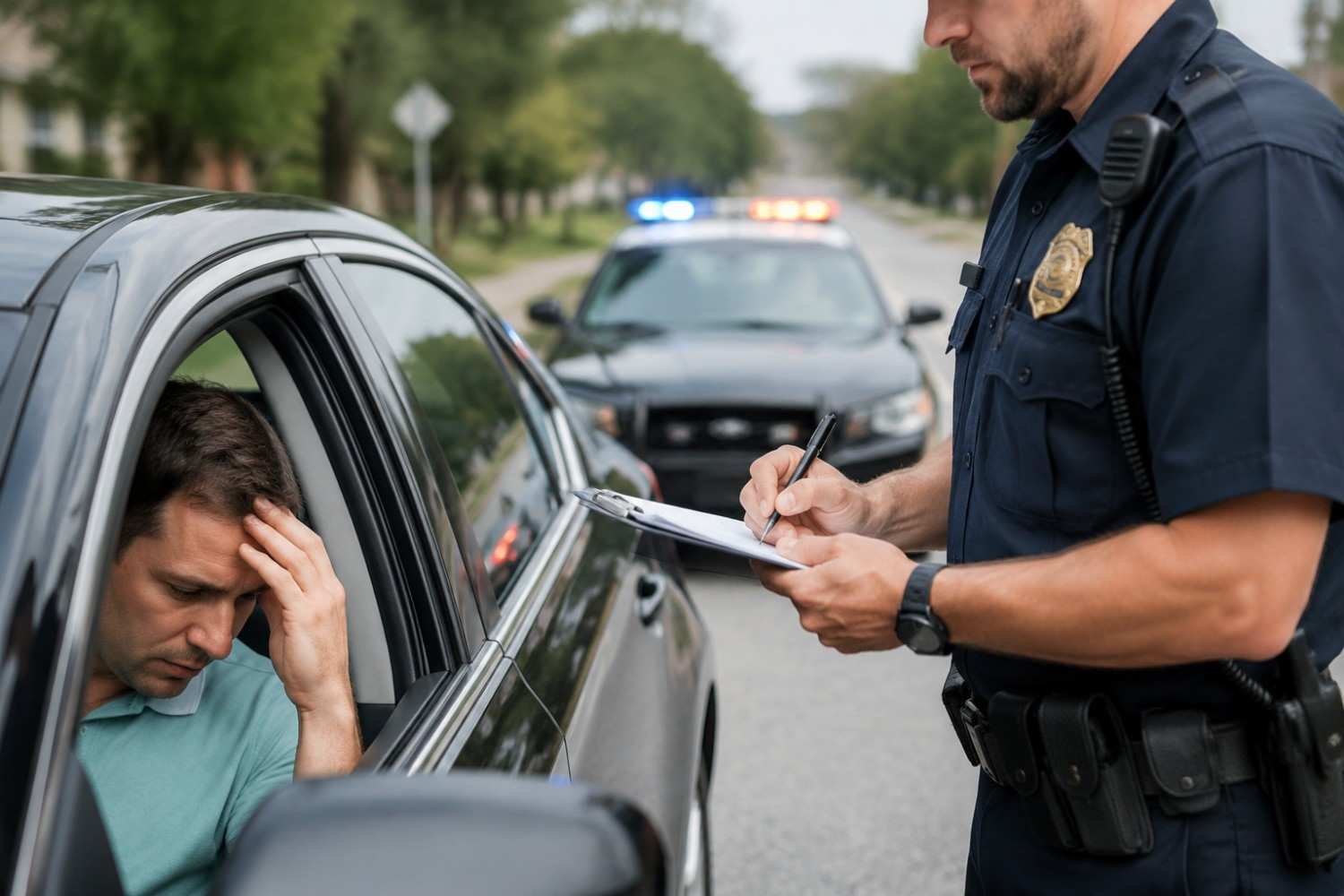
Receiving a traffic ticket might seem like a temporary annoyance, but it often triggers a chain reaction of negative consequences. A single citation can jeopardize your driving privileges, drain your finances, and even affect your professional life. Understanding the ripple effects of these violations empowers you to make smarter choices behind the wheel and protect your future.
The Immediate Consequences of Traffic Violations
Fines and Penalties
The most immediate and obvious consequence of a traffic violation is the financial penalty. Depending on the severity of the offense and local regulations, fines can range from a modest sum to hundreds or even thousands of dollars. Late payments usually incur additional administrative fees, turning a minor financial setback into a significant burden. Ignoring these fines is never a viable option, as unpaid tickets quickly escalate into severe legal complications.
Points on Your Driving Record
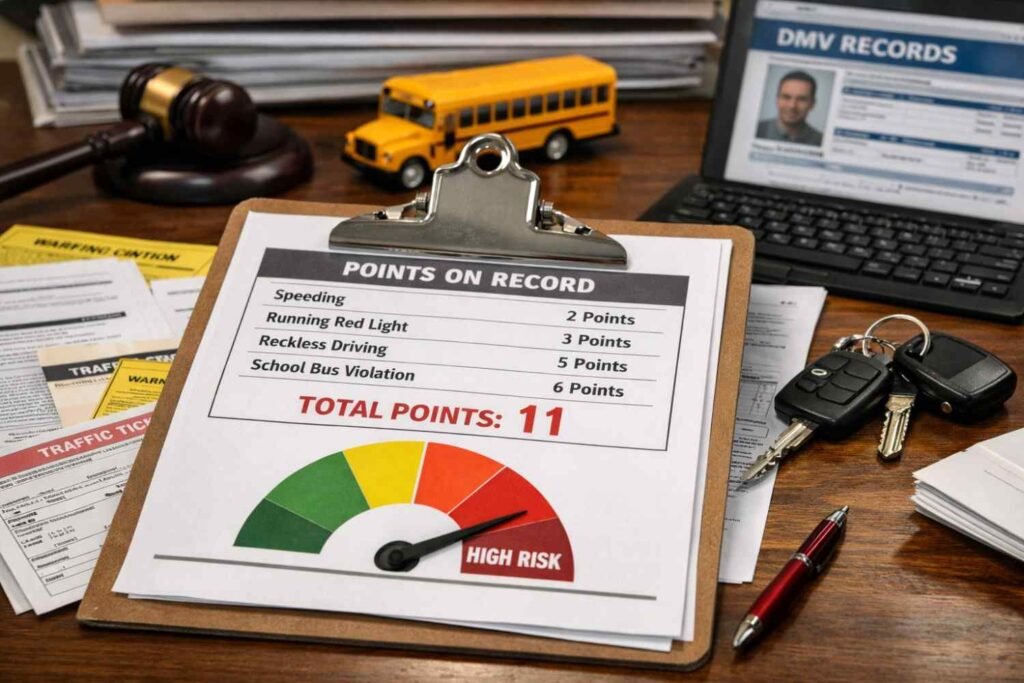
Most jurisdictions use a point system to monitor and penalize unsafe driving behavior. When you are convicted of a moving violation, a specific number of points is added to your driving record. Speeding might add a couple of points, while reckless driving or passing a stopped school bus assigns significantly more. Accumulating too many points within a specific timeframe alerts the local transportation authority that you are a high-risk driver.
Increased Insurance Premiums
Insurance companies constantly assess risk to determine your coverage rates. When a violation appears on your driving record, insurers view you as a higher liability. Consequently, your auto insurance premiums will almost certainly increase upon policy renewal. A single speeding ticket can raise your rates by a substantial percentage, and this elevated premium often remains in effect for three to five years, costing you far more than the original ticket.
Long-Term Impacts on Your Driving Privileges
License Suspension or Revocation
If you accumulate too many points on your driving record over a short period, the state will take action against your driving privileges. A temporary license suspension prevents you from driving legally for several months. In cases involving severe offenses or habitual violations, your license may be completely revoked. Operating a vehicle during a suspension is a criminal offense that triggers mandatory jail time and heavily extended suspensions.
Challenges in Obtaining Future Driving Privileges
Once your license is suspended or revoked, getting it back is a complicated process. You will typically need to pay steep reinstatement fees and provide proof of specialized, high-risk auto insurance. Additionally, some jurisdictions require you to retake both the written and practical driving exams. The administrative hurdles designed to restore your driving privileges consume a massive amount of time, energy, and financial resources.
Commercial Driving Implications
For individuals who hold a commercial driver’s license, the stakes are exponentially higher. Traffic violations often lead to immediate disqualification from operating commercial vehicles. Commercial drivers are held to a stricter standard, meaning that even a relatively minor offense committed in a personal vehicle can jeopardize their specialized license. Losing this license translates directly to a loss of income and severely damages long-term career prospects in the transportation industry.
Legal and Financial Ramifications Beyond the Road
Court Appearances and Legal Fees
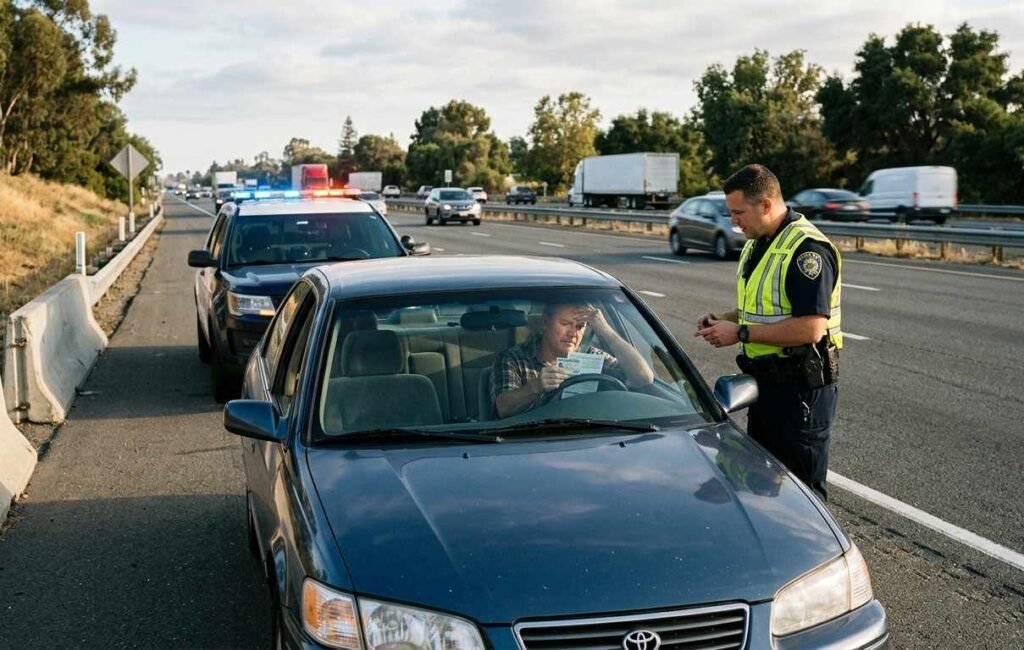
Fighting a traffic ticket or defending against a serious moving violation requires navigating the local judicial system. This often mandates multiple court appearances, forcing you to take time off work and lose regular wages. If the violation is severe, hiring legal representation becomes necessary to protect your rights. The combination of court costs, filing fees, and attorney retainers adds thousands of dollars to the overall expense of the incident.
Employment Repercussions
Many employers conduct routine driving record checks, particularly for roles that require operating company vehicles or running business errands. A driving record riddled with traffic violations signals a lack of responsibility and poor judgment. Current employers might terminate your contract if your license is suspended, while prospective employers will likely pass over your application in favor of candidates with clean driving histories.
Background Checks and Personal Reputation
Major traffic violations, such as reckless driving or driving under the influence, are criminal offenses that appear on standard background checks. Landlords, financial institutions, and educational programs frequently run these checks to assess an applicant’s reliability. A criminal traffic conviction tarnishes your personal reputation, limiting your housing options, restricting access to certain loans, and creating unnecessary friction in various aspects of your personal life.
Understanding Different Types of Violations
Minor Infractions vs. Major Offenses
Traffic laws categorize violations based on their potential to cause harm. Minor infractions generally include broken taillights, expired registration, or failing to signal a lane change. These usually result in manageable fines and minimal points. Major offenses involve actions that exhibit a blatant disregard for public safety, such as extreme speeding, hit-and-run incidents, or driving while impaired. Major offenses carry heavy criminal charges, massive fines, and immediate license suspension.
Moving Violations and Their Severity
Moving violations occur when a vehicle is actively in motion. These are scrutinized heavily by insurance companies and local transit authorities because they directly correlate with traffic accidents. Running a red light, tailgating, and speeding fall into this category. The severity of the penalty usually scales with the danger presented by the action; traveling fifty miles per hour over the speed limit will trigger far harsher consequences than drifting slightly through a stop sign.
Non-Moving Violations and Their Impact
Non-moving violations pertain to parked vehicles, administrative compliance, or faulty equipment. Examples include parking in a handicapped zone without a permit, illegal window tinting, or having an expired inspection sticker. While these violations rarely result in points being added to your driving record, they still carry annoying fines. Continually ignoring non-moving violations can result in your vehicle being booted or towed at your expense.
Strategies for Managing and Mitigating Impact
Contesting a Ticket
You have the constitutional right to contest any traffic citation in court. Officers sometimes make mistakes regarding radar calibration, signage visibility, or situational context. By requesting a hearing, you force the prosecution to prove the violation beyond a reasonable doubt. If the citing officer fails to appear in court, the judge will often dismiss the ticket entirely, saving you from fines, points, and insurance hikes.
Traffic School and Defensive Driving Courses
Many jurisdictions offer drivers the opportunity to complete a defensive driving course or traffic school in exchange for ticket dismissal or point reduction. These educational programs refresh your knowledge of state traffic laws and teach advanced accident avoidance techniques. Investing a few hours into an approved course is a highly effective way to keep an isolated mistake from permanently scarring your official driving record.
Seeking Legal Counsel
When facing severe traffic charges, professional legal intervention is the strongest defense. Traffic laws are highly complex and vary drastically by municipality. An experienced attorney understands how to negotiate with prosecutors to reduce charges from moving violations to non-moving infractions. For serious criminal charges involving impairment, securing a qualified DUI defense attorney in Yakima, Washington, is absolutely critical to minimizing jail time, reducing fines, and preserving your driving privileges.