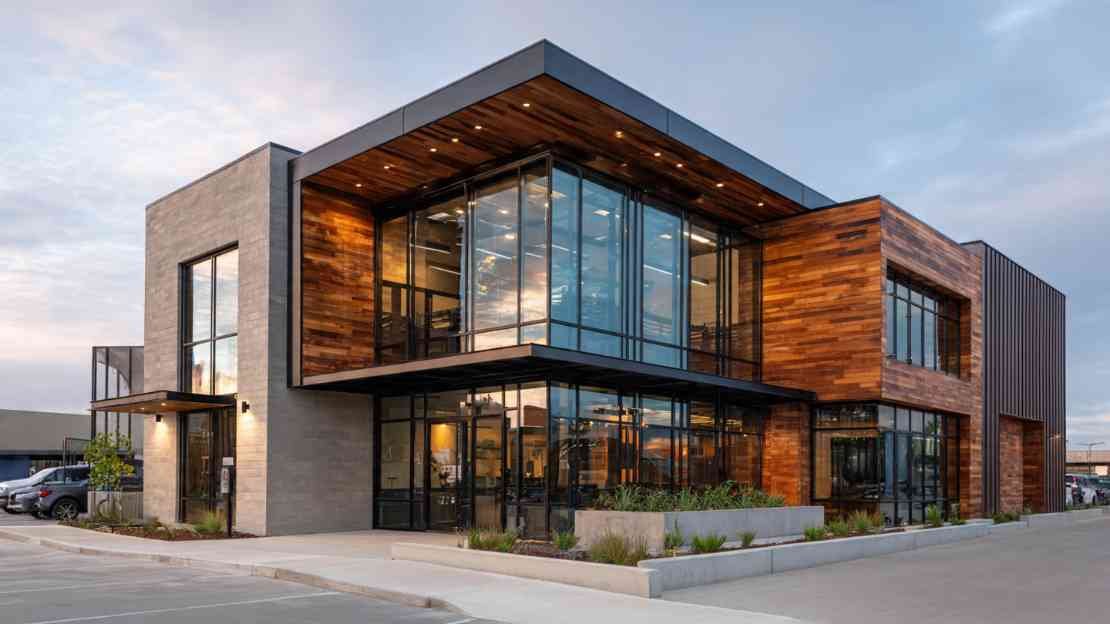
In today’s competitive business landscape, a commercial building’s exterior does more than enclose space—it communicates brand identity, values, and professionalism before anyone steps inside.
Modern facades have evolved beyond simple functionality, blending aesthetics, sustainability, and technology to create striking first impressions. As architectural innovation continues to advance, several key trends are shaping the look and performance of contemporary commercial building exteriors.
Clean Lines and Minimalist Design
Minimalism remains a defining trend in modern commercial facades. Clean lines, uncluttered surfaces, and balanced proportions create a polished, professional appearance that appeals to a wide range of industries. Rather than relying on heavy ornamentation, minimalist exteriors focus on form, material quality, and subtle details.
Flat roofs, geometric shapes, and streamlined entryways help buildings look modern and timeless, reducing the risk of appearing outdated as styles change.
Mixed Materials for Visual Interest
One of the most noticeable trends in commercial exterior design is the use of mixed materials. Architects are combining glass, metal panels, concrete, brick, and natural wood to add depth and contrast to building facades. This approach creates visual interest while allowing designers to balance durability with warmth and texture.
For example, sleek metal or glass surfaces can be softened with wood accents or stone features, making large commercial structures feel more inviting and human-scaled.
Expansive Glass and Transparency
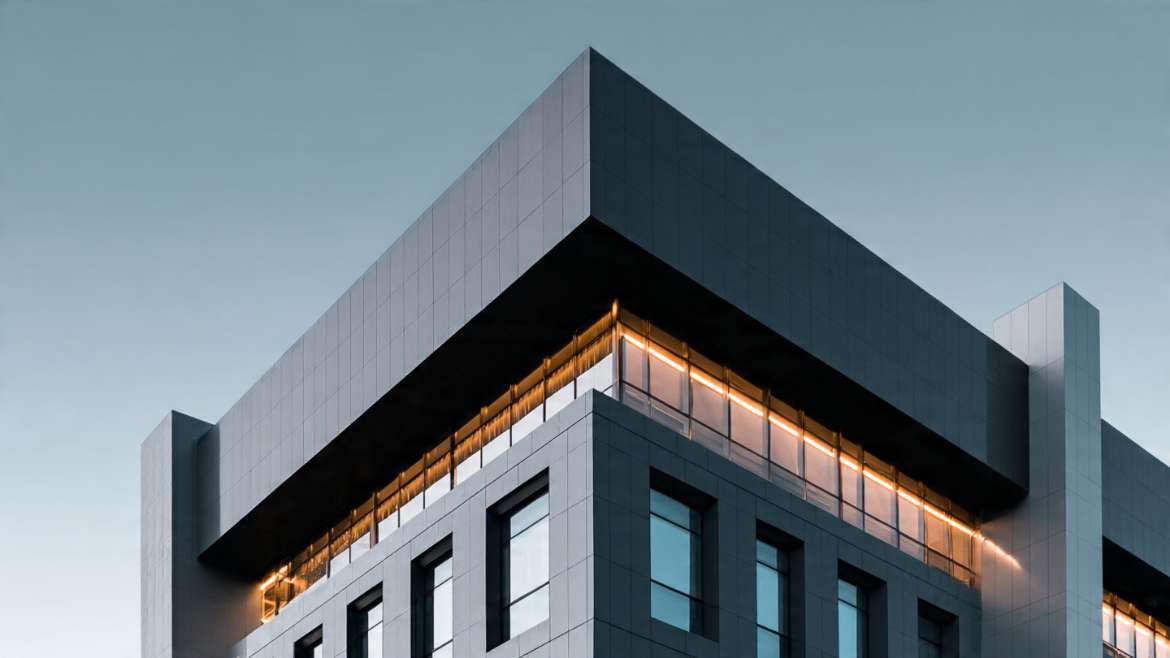
Glass continues to dominate modern facade design, particularly in office buildings, retail centers, and mixed-use developments. Large windows, curtain walls, and floor-to-ceiling glazing maximize natural light, reduce reliance on artificial lighting, and create a sense of openness.
Transparency also fosters trust and connection, especially for customer-facing businesses. From the outside, expansive glass gives buildings a contemporary edge, while inside it enhances employee comfort and productivity.
Sustainability as a Design Priority
Sustainability is no longer optional—it’s a core element of modern commercial building exteriors. Energy-efficient facade systems, insulated panels, and high-performance glazing help regulate indoor temperatures and lower energy costs.
Green walls, living facades, installation of artificial grass and rooftop gardens are also gaining popularity, improving insulation while contributing to environmental responsibility.
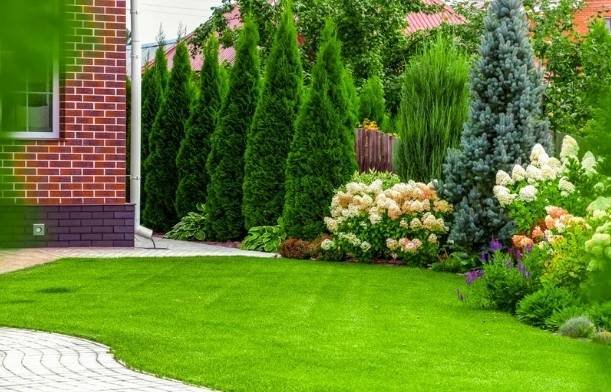
Even exterior landscaping plays a role, as well-maintained green spaces—often supported by professional services such as a lawn service in Austin—complement sustainable facade designs and enhance overall curb appeal.
Bold Colors and Statement Features
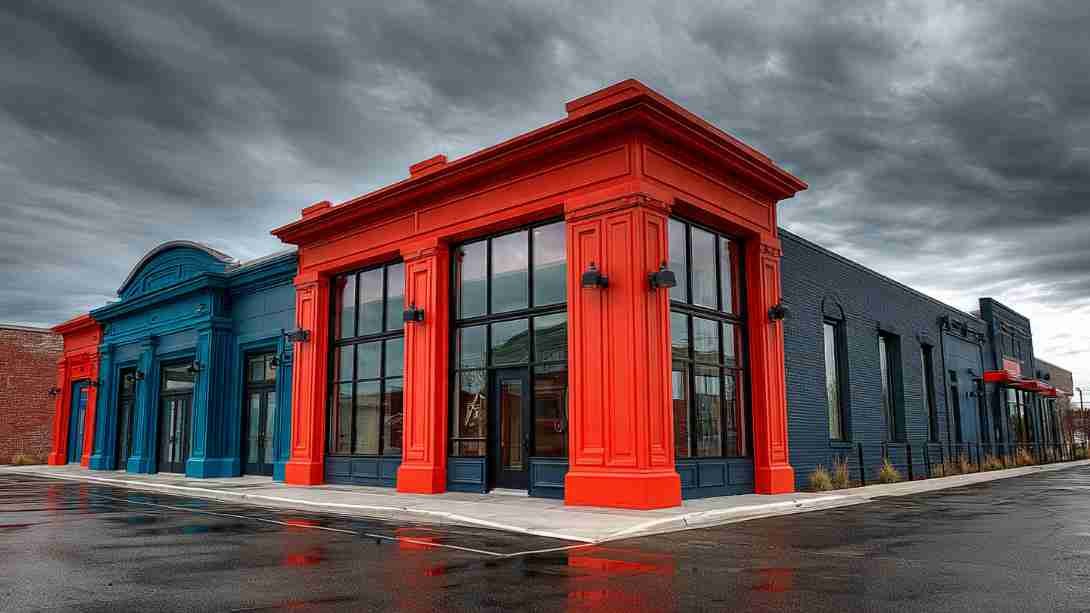
While neutral tones still dominate many commercial facades, bold colors and statement elements are becoming more common. Accent panels, branded color schemes, and architectural features like cantilevered awnings or sculptural facades allow businesses to stand out without overwhelming the design.
These bold touches are often used strategically at entrances or signage areas to draw attention and reinforce brand recognition.
Texture and Depth Through Cladding
Modern cladding systems offer endless opportunities for creativity. Textured panels, perforated metal screens, and layered facade elements add depth and shadow, making buildings visually dynamic throughout the day. As sunlight shifts, these textures create changing patterns that bring facades to life.
Cladding also provides practical benefits, such as improved insulation, weather resistance, and easier maintenance.
Smart Facades and Integrated Technology
Technology is increasingly influencing commercial exterior design. Smart facades can adjust shading, ventilation, and lighting in response to environmental conditions, improving energy efficiency and occupant comfort.
Integrated LED lighting systems highlight architectural features at night, enhancing visibility and security while creating a distinctive after-dark presence. These innovations allow buildings to be both visually impressive and highly functional.
Human-Centered Exterior Design
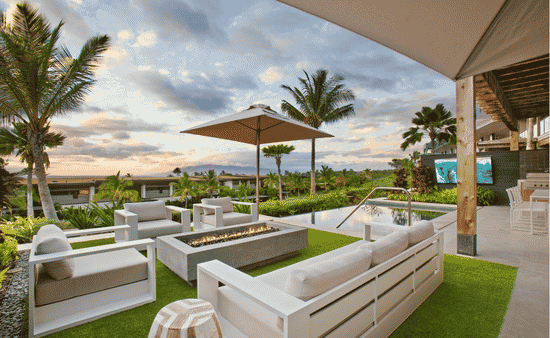
Modern commercial facades are no longer designed in isolation—they are part of a broader experience. Walkability, accessibility, and outdoor interaction are key considerations. Covered walkways, shaded seating areas, and welcoming entrances encourage engagement and make properties more user-friendly.
This human-centered approach helps businesses create environments that feel approachable and thoughtfully designed.
A Lasting First Impression
Modern facade trends reflect a shift toward smarter, more sustainable, and visually engaging commercial building exteriors. By embracing clean lines, innovative materials, energy-efficient solutions, and thoughtful design details, businesses can create exteriors that not only look impressive but also perform efficiently for years to come.
In an era where first impressions matter more than ever, investing in a modern facade is a strategic move that enhances brand image, property value, and long-term success.