That’s a different kind of frustration of landing in a new country with no internet, trying to figure out directions and bookings. That’s exactly why I started using portable wifi for travel, and honestly, it changed everything. Now, I don’t rely on random public networks anymore. I travel with confidence, knowing I’ll stay connected wherever I go.
What Is Portable WiFi for Travel?
Portable WiFi for travel is one of those tools you don’t think you need until you actually use it. It acts like your personal internet hub wherever you go.
How Portable WiFi Devices Work
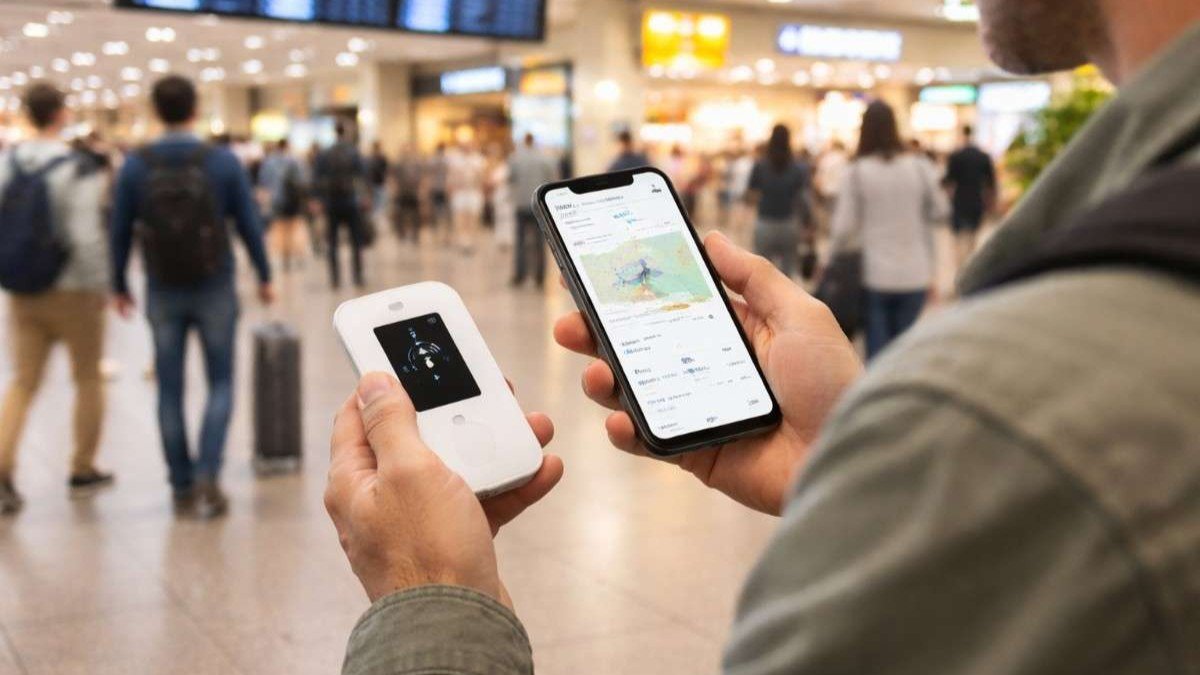
These devices, often called mobile hotspots or MiFis, convert cellular signals into a private WiFi network. When I turn mine on, it instantly connects to a local network and creates a secure connection that my phone, laptop, and tablet can all use. It feels just like using home WiFi, except I carry it in my bag wherever I go. This simple setup makes staying connected effortless throughout the trip.
Why Portable WiFi for Travel Is Useful
Public WiFi can be slow, unreliable, and sometimes unsafe. With portable WiFi, I don’t need to depend on cafés or hotels because I always have my own connection ready. I stay connected while navigating, booking rides, or even attending meetings on the go. It removes that constant stress of searching for internet and helps me focus more on enjoying the journey.
Who Should Use Portable WiFi for Travel
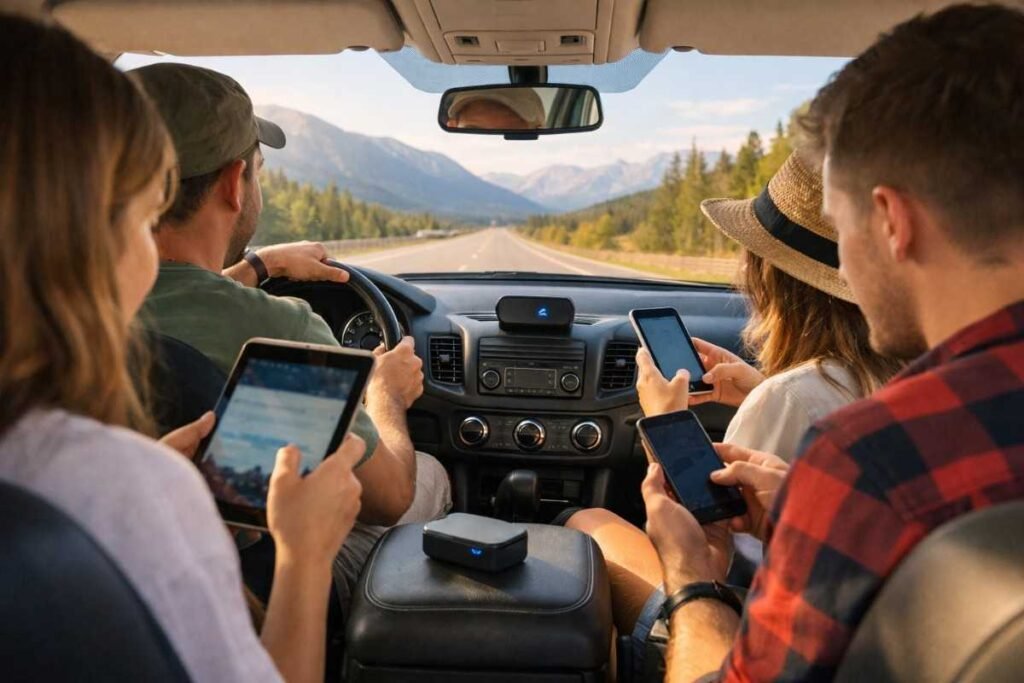
If you travel internationally, work remotely, or move around a lot during trips, this becomes incredibly useful. I especially recommend it for families or groups because one device can serve multiple people at once. Even solo travelers benefit when they need a stable connection for navigation or communication. It’s a practical tool that fits different travel styles easily.
Key Features of Portable WiFi for Travel
Before choosing a device, I always look at a few important features that actually impact real travel use.
Connectivity and Speed
Modern devices now support 4G, 5G, and even WiFi 7 in some cases, which means faster browsing and smoother video calls. This becomes important when you depend on internet for maps, bookings, or work tasks. A fast connection improves your overall travel experience and saves time. Speed matters more than you think when everything depends on internet access.
SIM and Global Coverage Options
Some devices are unlocked, allowing you to insert local SIM cards depending on your destination. Others use CloudSIM or eSIM technology that works in over 100 countries without switching physical cards. This flexibility is useful for multi-country trips where changing SIMs becomes inconvenient. Personally, I prefer options that work seamlessly across different regions.
Battery Life and Power Features
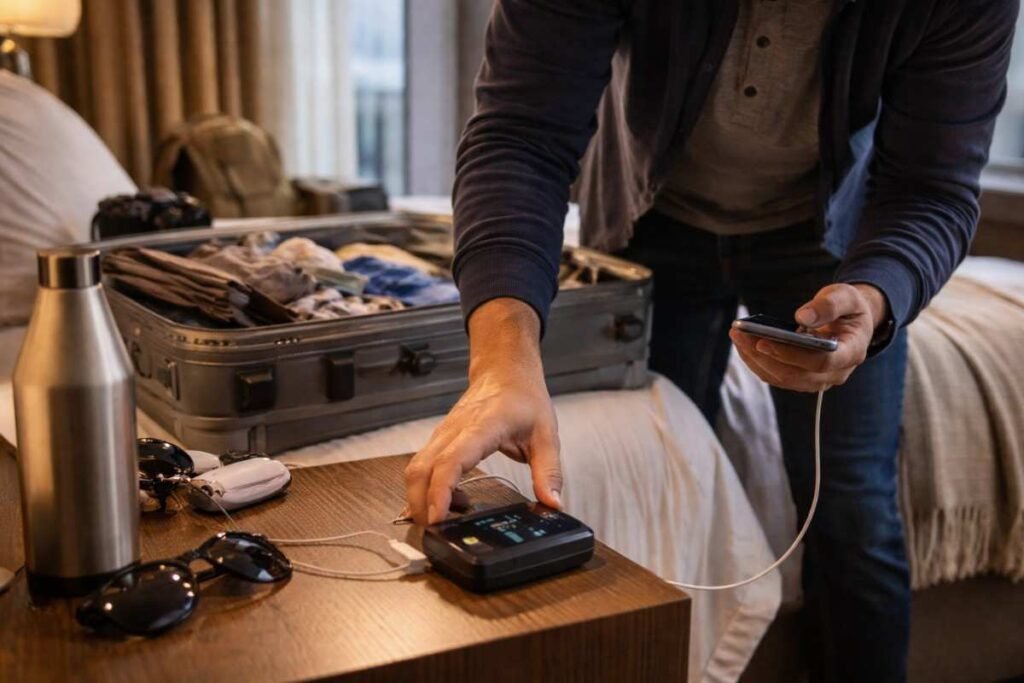
Battery life can make or break your experience, especially during long travel days. Many portable WiFi devices come with large batteries up to 8000mAh, lasting an entire day or more without charging. Some devices even function as power banks, which is incredibly helpful when your phone battery runs low. Having reliable power keeps you connected throughout your trip.
Device Connection Capacity
Most devices allow multiple connections at once, usually between 10 to 64 devices depending on the model. This feature becomes extremely valuable when traveling with friends or family. Everyone can connect without needing separate internet plans. It simplifies connectivity and keeps the entire group online without extra effort.
Portable WiFi for Travel Vs Other Options
There are several ways to stay connected, but not all of them work the same.
Portable WiFi Vs eSIM
eSIM is convenient because it does not require carrying an extra device and is easy to activate. However, it usually works on one phone, and sharing the internet drains your battery quickly. Portable WiFi is better when you need to connect multiple devices or share access with others. It offers more flexibility for different travel needs.
Portable WiFi Vs Local SIM Cards
Local SIM cards are often cheaper but require setup and may not work across multiple countries. You also need to change SIMs when switching destinations, which can be inconvenient. Portable WiFi gives you a simple plug-and-play experience without these complications. It saves time and effort during international travel.
Which Option I Prefer
For solo trips, I sometimes use eSIM because it is simple and quick to set up. However, for group travel, work trips, or longer journeys, I always choose portable WiFi. It offers better reliability, flexibility, and convenience across multiple devices. My choice depends on the type of trip I am planning.
Renting Vs Buying Portable WiFi for Travel
This is one of the most common questions I get from friends before a trip.
When Renting Makes Sense
If you travel occasionally or only for short trips, renting is a great option to consider. It usually comes with a daily fee and includes everything you need without a large upfront investment. This makes it convenient for travelers who do not want to commit to buying a device. It’s simple, affordable, and works well for short-term use.
When Buying Is Better
If you travel frequently, buying your own device becomes a smarter choice over time. Although it requires a higher initial cost, it allows access to flexible and often cheaper long-term data plans. You also avoid repeated rental costs on every trip. For regular travelers, this option offers better value.
My Personal Approach
I started with renting devices during occasional trips and later switched to buying once I began traveling more often. This helped me save money and avoid repeated rental hassles. If you travel multiple times a year, owning a device makes more sense. It becomes a reliable part of your travel routine.
Best Situations to Use Portable WiFi
There are certain travel scenarios where this becomes essential rather than optional.
International Travel Needs
When traveling internationally, staying connected is crucial for navigation, communication, and travel bookings using automation. Portable WiFi gives instant internet access without worrying about local network compatibility. It ensures you can access maps and services anytime. This makes traveling in unfamiliar places much easier.
Group and Family Trips
Sharing one device across multiple people reduces costs and simplifies connectivity during trips. Everyone can connect easily without managing separate plans or SIM cards. It keeps the group organized and connected throughout the journey. This is especially helpful during long trips.
Remote Work While Traveling
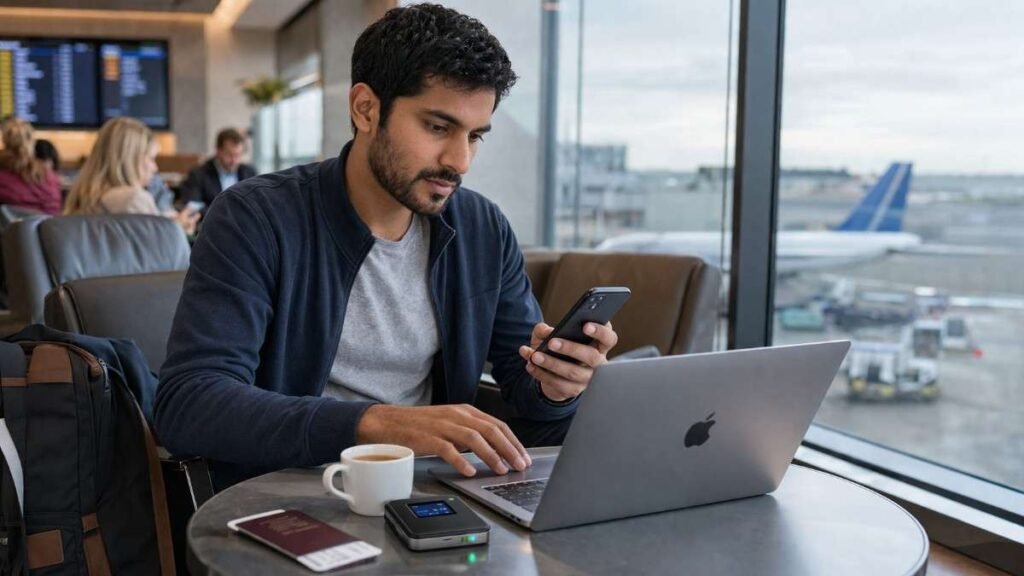
If you work while traveling, a stable internet connection becomes an essential tool for productivity. Portable WiFi allows you to attend meetings, upload files, and stay connected without interruptions. It removes the uncertainty of relying on public networks. This makes remote work much smoother.
How To Setup Portable WiFi for Travel
Setting up portable WiFi for travel is easier than most people expect. First, choose a device or rental plan based on your destination and travel duration after checking coverage and data limits. Once you receive the device, charge it fully to ensure it lasts throughout your journey. When you arrive, power it on and connect your phone or laptop using the provided WiFi credentials. After that, keep it with you and turn it on whenever needed, making it a seamless part of your travel routine.
Common Mistakes to Avoid
Even though portable WiFi is simple, a few mistakes can affect your experience.
Ignoring Coverage Before Travel
Not all providers work equally well in every location, so checking coverage before your trip is important. This helps avoid weak signals or connectivity issues during travel. A little research beforehand can save a lot of trouble later. It ensures a smoother experience.
Overlooking Data Limits
Some plans include hidden fair usage policies that can reduce speed after a certain limit. Understanding your data needs helps you choose the right plan. This prevents unexpected slowdowns during important tasks. Always review the details before selecting a plan.
Forgetting Backup Power
Battery life is crucial when using portable WiFi throughout the day. Carrying a power bank ensures your device remains active whenever needed. This simple habit prevents sudden disconnection issues. It keeps you connected consistently.
Frequently Asked Questions
1. Is portable wifi for travel better than public WiFi?
Yes, it is more secure, reliable, and faster than most public networks, especially in crowded or unfamiliar locations.
2. Can portable wifi for travel be used in multiple countries?
Yes, many devices support global coverage, especially those using CloudSIM or eSIM technology.
3. How many devices can connect to portable wifi for travel?
Most devices support 10 to 64 connections at the same time, depending on the model.
4. Is portable wifi for travel worth the cost?
If you rely on internet for navigation, work, or communication, it is absolutely worth the investment.
Conclusion
After using it on multiple trips, I can confidently say that portable wifi for travel is one of the most practical tools you can carry. It offers reliability, security, and flexibility that public networks cannot match. Whether you travel occasionally or frequently, having your own internet connection makes every trip smoother, more productive, and far less stressful.