
Getting hurt disrupts your normal routine. Even a minor injury forces you to pause your favorite activities and adjust your daily schedule. However, a small setback does not mean you have to lose all your physical progress. You can rebuild your strength and return to your active lifestyle with a careful, planned approach. This guide outlines practical steps to restore your mobility, rebuild muscle, and fuel your recovery safely.
Understanding the Initial Healing Phase
Before you can start rebuilding, your body requires time to repair damaged tissues. Many people make the mistake of rushing this process.
The Importance of Rest
Pushing through pain often leads to more severe problems down the road. During the first few days after an accident, prioritize complete rest. Keep the injured area elevated and apply ice to reduce initial swelling. Listen to your body carefully and avoid any movements that cause sharp discomfort. Patience during this early stage sets a strong foundation for your eventual comeback and prevents secondary complications.
Restoring Your Basic Mobility

Once the initial swelling goes down, you must get your joints and muscles moving again. Keeping a limb completely still for too long causes stiffness and delays true healing.
Introducing Gentle Movement
Regular, gentle movements bring vital nutrients to the healing tissues and prevent scar tissue from restricting your overall flexibility. Perform these simple movements a few times a day to keep your joints loose and prepared for the next phase of recovery.
Rebuilding Muscle and Strength
As your flexibility improves, you can begin to introduce light resistance. You must keep the impact low to protect your recovering joints and ligaments from sudden shock.
Starting with Low Impact Exercises
Activities like swimming and riding a stationary bicycle are excellent options to elevate your heart rate without pounding the pavement. Water provides natural buoyancy, reducing the heavy stress on your healing body while still offering mild resistance. A stationary bike allows you to control the exact amount of tension on your legs, making it easy to stop if you feel a sudden ache.
Using Bodyweight Movements
Before picking up heavy weights, make sure you can manage your own body weight comfortably. Simple exercises like wall pushes, modified planks, or assisted squats help reawaken your dormant muscles. Do a few repetitions at a time and focus entirely on your form. Bad posture during recovery shifts physical stress to other parts of your body, creating new aches and pains.
Seeking Professional Guidance
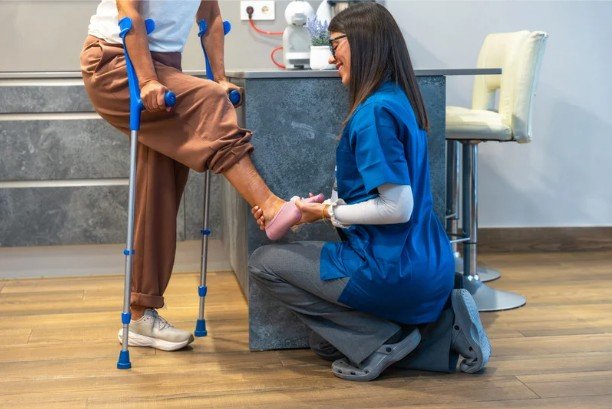
Sometimes resting and stretching at home is not enough to heal properly. If your pain persists or your mobility remains limited, professional guidance becomes completely necessary. Specialists evaluate your specific condition and create a targeted plan to fix muscular imbalances.
Finding reliable physical therapy in Riverton can help you navigate this tricky phase safely. Experts teach you specific exercises tailored to your exact injury, ensuring you do not push yourself too hard too soon. They monitor your daily progress and adjust your routine as you get stronger.
Fueling Your Body for Success
Physical movement is only one part of the recovery equation. What you put on your plate plays a massive role in how quickly your tissues repair themselves.
Prioritizing Nutrition and Hydration
Your body requires extra energy and specific building blocks to repair injured muscles and ligaments. Focus on eating plenty of lean protein to support healthy tissue growth. Add colorful vegetables and fruits to your meals to increase your daily vitamin intake, which helps reduce internal inflammation naturally.
Drink plenty of water throughout the day. Dehydration causes painful muscle cramps and slows down the vital delivery of oxygen to your damaged tissues.
Moving Forward with Confidence
Recovering from an accident takes time and consistent daily effort. Focus on small improvements rather than rushing to get back to your peak performance immediately. Celebrate the minor victories, like waking up with less stiffness or completing a new stretch without any discomfort.
By resting adequately, moving carefully, and eating well, you set yourself up for a successful return. Take these steps seriously, and you will regain your physical strength and confidence.