
Before ordering a glass shelf, decide what it will hold and how it will be supported. The span, glass thickness, brackets, and edge finish all need to suit that use. Accurate measurements and clear loading expectations give the fabricator a better basis for recommending the glass.
That is why shelf planning should never start with appearance alone. Good results come from thinking through where the load will sit, how the glass will be retained, and what kind of finish will work for the space. Sawyer Glass approaches that kind of project with the same practical discipline it brings to other custom work: precise measurements, application-specific guidance, and fabrication that matches the real use of the piece rather than a generic template.
Why Shelf Planning Starts With Structure, Not Style
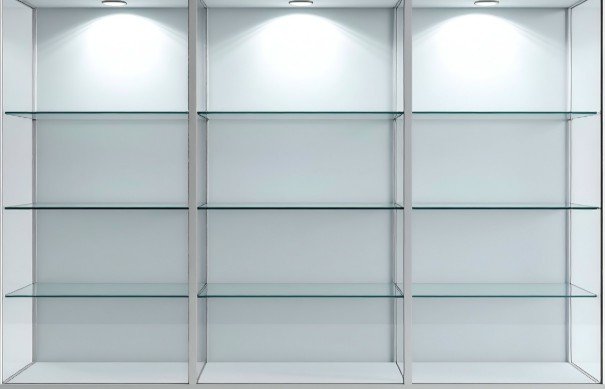
A glass shelf is often treated as a decorative element, but the structural questions come first. The shelf may hold lightweight display items in one setting and heavier stacked objects in another. It may sit inside cabinetry, between brackets, on a wall support system, or as part of a furniture design. Each setup changes the stress on the glass.
The key mistake is assuming that all shelves of the same size should use the same glass. That is rarely true. The support spacing, the number of contact points, the type of hardware, and the intended use all affect the decision. A shelf with short spans and strong support may be able to use a lighter specification than a long, open span with minimal anchoring.
For that reason, a consultation matters. Sawyer Glass works through those variables with clients so the shelf is designed as a system, not just a cut piece. That matters whether the project is a single shelf for a home cabinet or a full set of shelving for a commercial display.
The Role of Support in Everyday Performance
Support determines how much of the shelf’s working load is actually being carried at each point. If the support is uneven, too narrow, or placed without enough thought, stress concentrates where it should not. That can affect durability and long-term confidence in the installation.
Practical support planning usually comes down to these questions:
- How far does the glass span between supports?
- Is the glass resting on brackets, pins, channels, or full ledges?
- Will the shelf carry static display items or items that move frequently?
- Is the shelf one piece or part of a repeated set?
Those questions often matter as much as glass selection itself. A strong support layout can improve performance without making the shelf visually heavy. A weak layout can make even good glass feel underspecified.
Thickness Is a Design Decision, Not a Guess
Glass thickness is not just about strength in a simple sense. It also affects visual weight, perceived quality, and how the shelf sits in the overall design. Thicker glass can create a more substantial look, but it may also require different hardware, more careful detailing, and a different budget. Thinner glass can be suitable in some controlled applications, but only when the rest of the system supports it.
This is where a glass cutting service in Utah becomes especially useful. Sawyer Glass helps clients match thickness to purpose, rather than assuming a one-size-fits-all answer. That is important because the right thickness depends on dimensions, intended use, edge finish, and the type of support built into the project.
How Thickness, Span, and Use Work Together
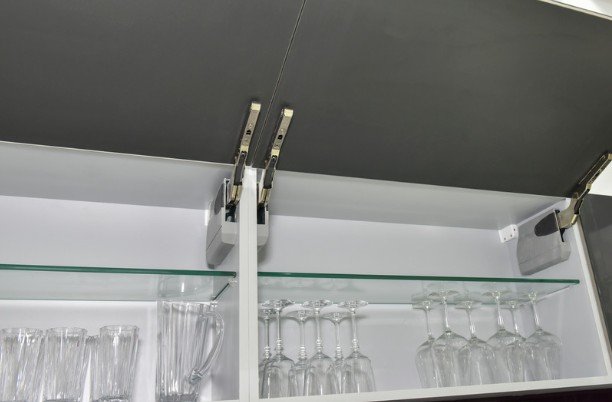
The most useful way to think about shelf planning is as a balance between span, load, and appearance. If one of those changes, the others may need to change too. A shelf that looks perfect on paper can become impractical if the support points are too far apart or the thickness is chosen without considering the load.
This is also why shelf planning should be specific to the room and the use case. A decorative shelf in a bathroom niche does not behave like a shelf in a retail display. A cabinet insert does not have the same demands as a floating shelf used for heavier objects. The right answer is usually the one that satisfies the actual installation conditions, not the most minimal option.
Sawyer Glass is useful here because the fabrication side and the consultative side are connected. The client is not just ordering cut glass. They are making a design decision that affects stability, finish quality, and long-term usability.
One Shelf Versus a Full Set of Shelves
A single shelf can sometimes be designed with more flexibility because the whole project is localized. A full set of shelves, however, introduces consistency issues. Thickness needs to look intentional across the entire installation, and support details need to be repeated cleanly. If one shelf is underspecified, it can make the entire set look inconsistent.
For combined shelf projects, it helps to review the whole layout before fabrication begins. That lets the installer or designer confirm that the shelf system will look balanced and function as intended. Sawyer Glass can cut glass to the required dimensions and work through those decisions before the glass is made, which reduces guesswork later.
The Real Cost of Guessing Wrong
Choosing thickness by instinct rather than by installation need can lead to avoidable problems. Too thin, and the shelf may not match the support plan. Too thick, and the hardware or aesthetic may feel overbuilt. Either way, the project can become more expensive than necessary.
The better approach is to define the use first, then select the glass. That is the logic behind custom fabrication and why projects often benefit from professional guidance rather than a standard stock purchase.
Edge Finishes Matter More Than Most People Expect
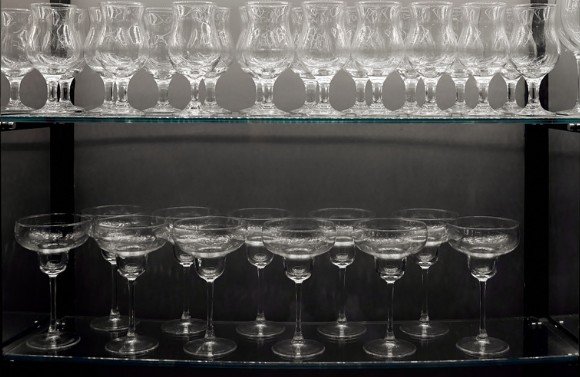
Edge finish is easy to overlook because it is not always the first thing people notice. But it influences handling, appearance, and the final impression of quality. The edge is also one of the places where a shelf can feel either refined or unfinished.
A shelf with a carefully considered edge finish looks deliberate. It feels more complete in a cabinet, on a wall, or in a furniture application. It also helps the piece better fit the visual language of the room. In premium work, that is not a minor detail. It is part of the product.
With custom fabrication, edge treatment should be chosen for the project, not added as an afterthought. Sawyer Glass helps clients think through how the edge will read in the final installation and how it fits the shelf’s function.
When the Edge Becomes Part of the Design
In some projects, the edge is visible from the front or side and becomes part of the shelf’s identity. Much like choosing name tags that people can read, selecting a visible shelf edge requires attention to how people see and interact with it. In others, the edge is mostly hidden, so the priority shifts toward clean fit and safe handling. Both situations matter, but they do not call for the same level of visual emphasis.
A shelf in a display setting may benefit from a more polished visual finish because customers can see the edge. A cabinet shelf may need a more straightforward solution if the shelf will be mostly concealed. Thinking this through early prevents mismatches between the fabrication choice and the actual presentation.
Handling, Safety, and Installation Practicalities
Edge finish also affects how the glass is handled during transport and installation. The more deliberate the edge treatment, the better the shelf integrates into the rest of the project from a workflow standpoint. That does not mean every shelf needs a dramatic finish. It means the finish should be appropriate to how the shelf will be moved, placed, and used.
This is where custom work has an advantage over generic off-the-shelf glass. A project can be built around the actual conditions instead of forcing the conditions to fit the glass.
What Strong Operators Clarify Before Ordering Glass
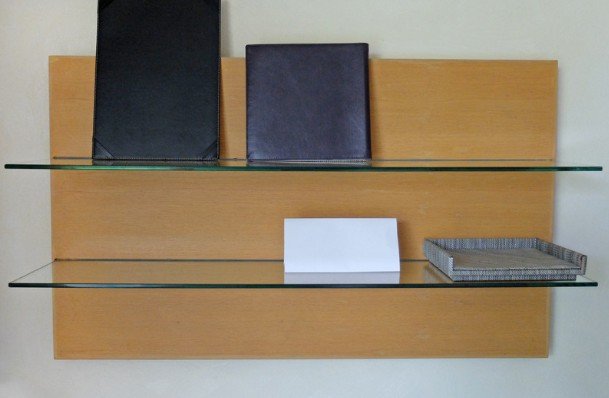
The most efficient projects are usually the ones that answer the hard questions before fabrication begins. That is true for homeowners, contractors, designers, and businesses alike. When those questions are answered early, the result is a better fit, fewer revisions, and more predictable outcomes.
Before ordering, strong operators usually clarify:
- The exact dimensions of each shelf
- The intended use and expected load
- The support type and spacing
- Whether the shelf is decorative, functional, or both
- The desired thickness and visible finish
- Any cabinet, furniture, or architectural constraints
- How many pieces are needed in the full set
This is the point where Sawyer Glass adds real value. The company is not just cutting glass to size. It is helping define the right spec for the job. That matters in custom shelving, cabinet inserts, and furniture tops, where a small measurement or specification error can affect the entire project.
For clients comparing options, the practical advantage of working with Sawyer Glass is the combination of fabrication precision and consultative support. If you are exploring glass cutting service in Utah, the real difference is not just the ability to cut glass. It is the ability to align dimensions, thickness, and finish with the project’s actual demands.
Better Shelf Results Come From Better Decisions Up Front
Well-designed glass shelves do not happen by accident. They come from choosing the right support, matching thickness to span and purpose, and selecting an edge finish that suits both the look and the handling requirements. When those choices are made together, the shelf feels purposeful instead of improvised.
That is the standard Sawyer Glass brings to custom glass work. The goal is not simply to produce a cut piece of glass. It is to deliver a shelf that fits the application cleanly, performs as expected, and looks like it belongs in the space. If you are planning a shelf project, start with the structure, confirm the thickness, and let the finish serve the design rather than distract from it.