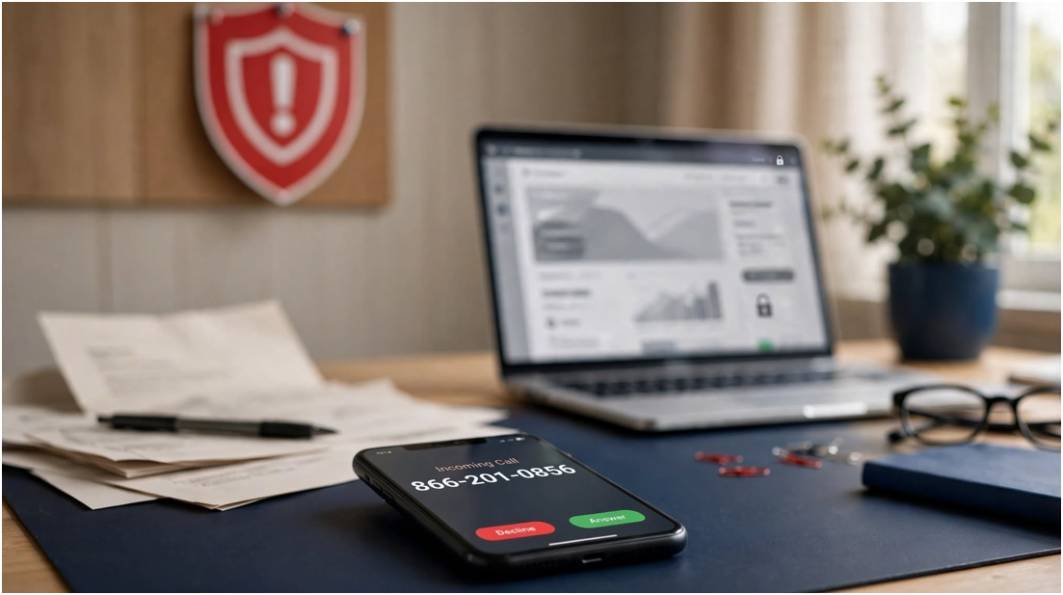
When 866-201-0856 appears on your screen, the caller may claim to represent Nelnet or federal student aid. That claim is not proof. I reviewed consumer reports and official scam guidance to determine what the number can—and cannot—tell you.
The safest verdict is simple: treat an unexpected call as unverified. Do not share a Social Security number, FSA ID, password, bank detail, or verification code. Instead, end the call and contact the claimed organization through a channel you find independently.
What Reports About This Number Reveal
Public caller-report databases associate 866-201-0856 with student loan messages. Some users describe Nelnet-related account calls. Others report unwanted calls, requests for personal data, or contact despite having no student debt. RoboKiller currently classifies the number under student loans and displays user-submitted reports, but those comments do not authenticate each caller.
That distinction matters. A legitimate organization may use automated reminders, yet a criminal can imitate its name or number. Community reports reveal a pattern worth investigating. They do not prove that every call has the same source.
I would therefore avoid labels such as “confirmed scam number” unless a regulator or the number’s verified owner provides that finding. A precise description is more useful: 866-201-0856 has been associated with mixed and suspicious student loan calls, so recipients should verify the contact independently.
This is the same evidence-first habit I recommend when evaluating online opportunities such as start a business as a kid. A professional-sounding pitch never replaces identity checks, written terms, and a trusted contact channel.
Why Caller ID Cannot Prove Who Called
Caller ID displays information supplied through telephone networks. It does not work like a government identity certificate. The Federal Trade Commission explains that scammers can make another name or number appear on a recipient’s screen. This practice is called spoofing.
Therefore, seeing 866-201-0856 does not prove that Nelnet placed the call. It also does not prove that the actual owner of the number acted improperly. The displayed number and the caller’s real origin may differ.
The Three-Check Verification Test
I use three checks before trusting an account-related call. First, I ask whether I expected the contact. Second, I look for the same notice inside an account opened through a bookmarked or manually typed official website. Third, I call the organization using a number printed on an official statement or published on its verified website.
If any check fails, I do not continue the conversation. This small process reduces reliance on urgency, caller ID, and a stranger’s script. It also works for recruitment sites and listings such as allhere job com, where verifying the company and original posting matters before sharing documents.
Student Loan Scam Warning Signs
Pressure is the clearest warning. A suspicious caller may demand immediate action, claim that forgiveness expires within hours, or threaten legal consequences. Requests for an upfront fee, gift card, cryptocurrency payment, password, or one-time security code should end the conversation.
Be cautious when a caller promises guaranteed forgiveness or says you must pay to access a federal benefit. The FTC warns that scammers often impersonate trusted organizations and demand hard-to-reverse payments. A real account issue can be checked without surrendering control of the call.
The number 866-201-0856 has also been mentioned in reports from people who say they never had student loans. A wrong-number call can happen, but repeated irrelevant contact is another reason to avoid engagement.
How to Verify a Nelnet or Federal Loan Call
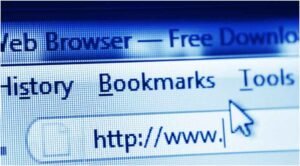
Hang up without pressing menu options. Open your browser and type the address yourself. Federal borrowers can sign in through the official Federal Student Aid website to confirm their servicer and review current account details.
If the account identifies Nelnet, use the published details on the official Nelnet contact page. Ask whether the organization attempted to contact you and whether your account requires action. Do not call a number supplied only through the voicemail.
You can block persistent calls and report suspected fraud to the FTC. The FCC complaint center also accepts reports concerning unwanted calls and spoofing. Include the date, time, displayed number, callback number, message, and requested payment method.
What to Do After Sharing Information
Act promptly if you gave the caller sensitive data. Change exposed passwords from a trusted device and enable multifactor authentication. Contact your bank if payment details were disclosed. Report a compromised FSA ID through official Federal Student Aid support.
If you shared an SSN, visit IdentityTheft.gov for a recovery plan. Review credit reports and consider a fraud alert or credit freeze. Save the voicemail and transaction records, but do not keep negotiating with the caller.
The Smart Move: Verify Before You Trust
My assessment of 866-201-0856 is cautious, not sensational. Reports connect it with student loan outreach, including suspicious activity. Spoofing means the screen cannot identify the person behind a specific call.
Let the call end. Then check your official account and use independently verified contact information. Ten quiet minutes of verification beat ten panicked seconds on the phone.
Frequently Asked Questions
1. Is 866-201-0856 really Nelnet?
Some reports associate it with Nelnet messages, but caller ID can be spoofed; confirm through your official online account.
2. Should I call the number back?
Use the contact number published on Nelnet’s verified website or your official statement instead.
3. What information should I never share?
Never disclose your password, FSA ID, SSN, bank details, or one-time security code during an unexpected call.
4. Where can I report a student loan scam call?
Report suspected fraud to ReportFraud.ftc.gov and unwanted or spoofed calls through the FCC complaint center.